Things to Do in Shibamata: A Kanamachi Host's Guide
By Atsushi — host at Bon House in Kanamachi, Katsushika ward. I've run Bon House since 2022 and hosted 300+ guest groups.
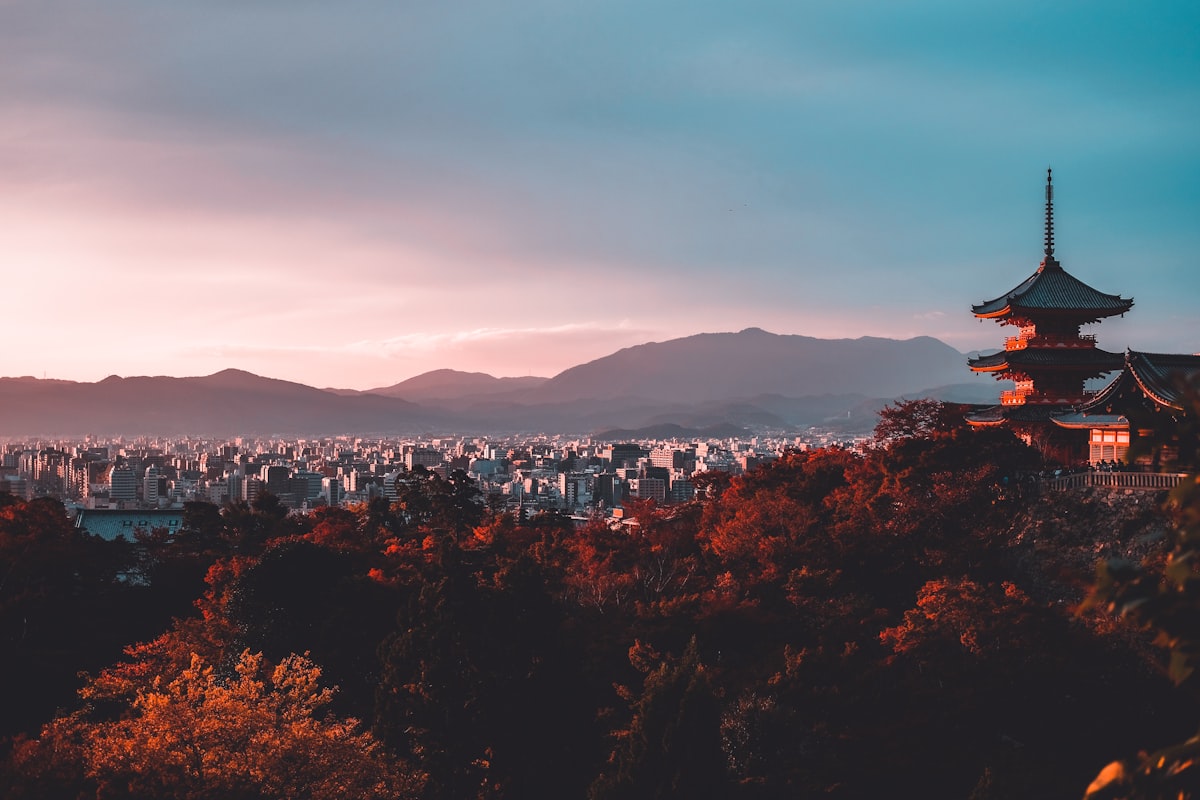
The best things to do in Shibamata start on one 200-meter street, where a dango shop founded in 1868 still sells kusa dango to people walking up to a temple founded in 1629. In 2018, Shibamata became the first place in Tokyo to be named a national Important Cultural Landscape, for exactly this mix of temple, shopfronts and river.
It's one stop from Kanamachi, two to three minutes on the train, and it's where I send guests who ask for "old Tokyo" without the Asakusa crowds. I've walked the sando more times than I can count, and this is the order I'd do it in.
Things to Do in Shibamata at a Glance
| Stop | Cost | Allow | Hours |
|---|---|---|---|
| Taishakuten Sando | Free | 45 min | Shops vary |
| Temple grounds | Free | 20 min | 5:00–20:00 |
| Carving gallery + garden | ¥400 | 45 min | 9:00–16:00 |
| Tora-san Museum | ¥500 | 45 min | 9:00–17:00 |
| Yamamoto-tei | ¥100 | 30 min | 9:00–17:00 |
| Yagiri ferry | Cash | 30 min | ~10:00–16:00 |
The carving gallery's last entry is 15:30. The ferry runs daily from mid-March through November and only on weekends and holidays in winter; details below.
How to Get to Shibamata from Kanamachi
From Keisei Kanamachi Station, take the Keisei Kanamachi Line one stop to Shibamata. Every train stops there, there's no change, and the ride takes two to three minutes. The fare is 150 yen with a paper ticket or 146 yen with Suica or PASMO. Keisei doesn't accept tap-to-pay credit cards at the gates, so carry an IC card or buy a ticket.
From Bon House, allow 15 to 25 minutes door to door: a 7–10 minute walk to Keisei Kanamachi, the wait for the next train, then the short ride.
Coming straight from the airport? Shibamata is on the same route as Bon House: change at Keisei Takasago to the Kanamachi Line, and Shibamata is the first stop. Our Haneda to Kanamachi and Narita to Kanamachi guides walk through the change.
On clear days I sometimes walk instead. It takes me about 25 to 30 minutes, and the route near the Edogawa River is the pleasant one.
Taishakuten Sando: Shibamata's Dango Street
This is the real draw for me. The 200-meter approach from Shibamata Station to the temple gate is lined with low wooden shopfronts selling the same few things they've sold for generations: dango, senbei, pickles and eel.
The Shibamata Dango Shops
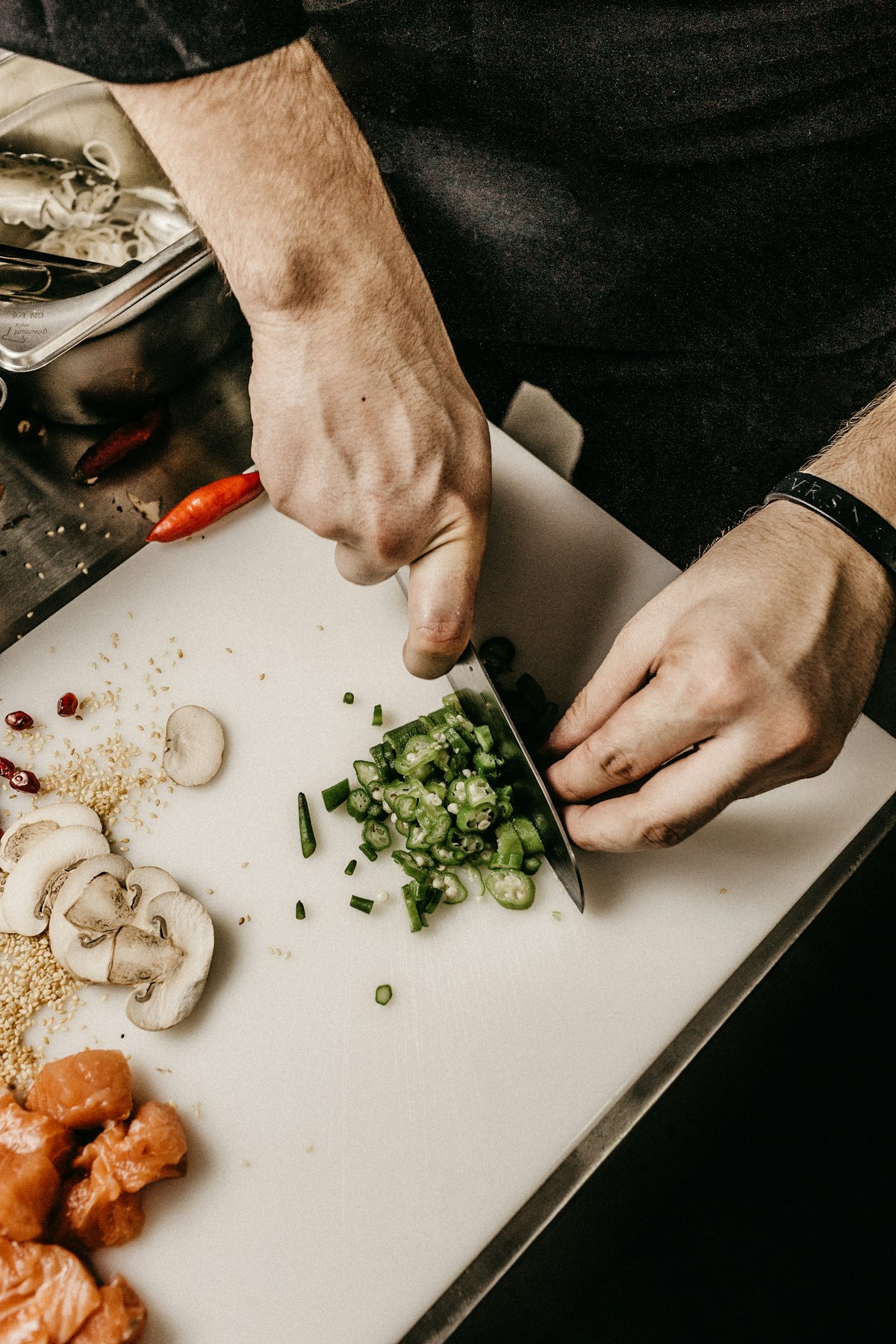
Several shops along the sando sell kusa dango, rice dumplings made green with yomogi (mugwort) and topped with sweet red bean paste. Each shop claims its version is different, and after trying most of them, I agree.
Takagiya Roho (founded 1868) is the shop most people call the model for Tora-san's family dango shop, and the films' cast and crew rested in its rooms between takes. It has a tea room at the back, and a single stick costs about 200 yen. This is where I take first-timers.
Kameya Honpo (founded 1901) is on the same stretch and is always busy. The dango is consistently good, and it sells boxes to take away.
Toraya (founded 1887) appeared as Tora-san's family shop in the first four films. It's a good option if the other two have lines.
If red bean paste isn't your thing, look for yaki dango, grilled and brushed with a soy glaze.
Shibamata Eel and Hand-Grilled Senbei
Shibamata is known for eel (unagi), served as unaju over rice. The two names I point guests to are Kawachiya, a large old eel house on the sando, and Ebisuya. Budget around 4,000 yen per person for an eel lunch. Kawachiya closes on Tuesdays.
For something lighter, watch for shops grilling senbei (rice crackers) by hand at the shopfront. A warm one costs a fraction of an eel lunch and tastes nothing like the packaged kind.
Shibamata Taishakuten Temple and Its Carving Gallery
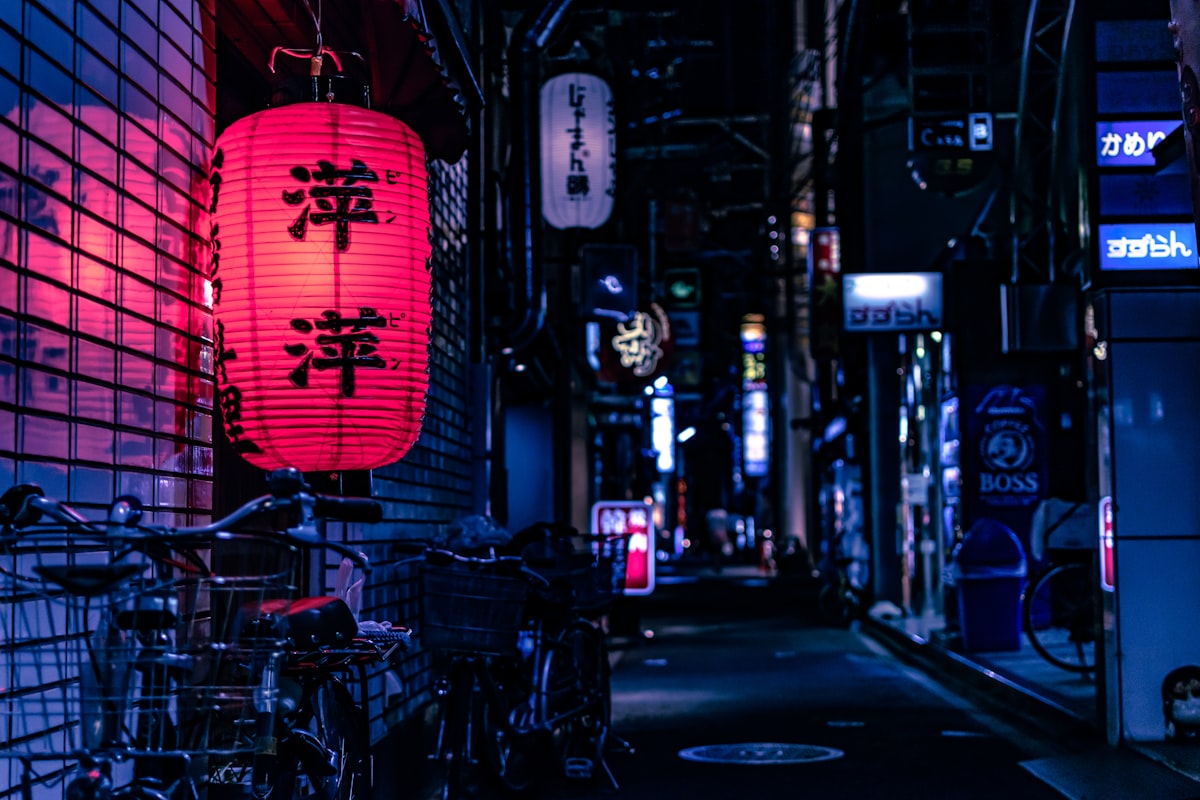
Shibamata Taishakuten, formally Daikyoji, has stood here since 1629. Most visitors come for the carved wooden panels wrapped around the outside of the main hall, Buddhist scenes that craftsmen spent years cutting. The grounds are free and open from 5am to 8pm.
The carving gallery and the Suikeien garden behind it share one 400 yen ticket (200 yen for children). They're open from 9am to 4pm, with last entry at 3:30pm. The gallery is glassed in, so it's also a dry place to be when it rains.
The free grounds are enough for a quick visit. If you care about woodcarving or Japanese gardens at all, pay for the gallery: the panels are at eye level and you can walk the whole way round.
Tora-san Museum: Why Shibamata Feels Familiar to Japanese Visitors
You'll see "Tora-san" everywhere in Shibamata. From 1969 to 1995, 48 films in the series Otoko wa Tsurai yo (It's Tough Being a Man) cast this neighborhood as the home of a wandering salesman, all with the same lead actor. Guinness lists it as the longest film series with a single lead actor, and for older Japanese visitors it carries the weight that Cheers or Neighbours might for you.
There's a bronze statue of Tora-san outside Shibamata Station, and since 2017 a statue of his sister Sakura has stood nearby, seeing him off. The Katsushika Shibamata Tora-san Museum is about 8 minutes' walk from the station, past the temple. Adult tickets are 500 yen and also cover the Yamada Yoji Museum next door. It's open 9am to 5pm and closes on the third Tuesday of each month.
I wouldn't call it essential. But if you've ever wondered why Japanese visitors get emotional on this street, the museum explains it in an hour.
Yamamoto-tei Garden: Shibamata's Quietest Stop
A short walk from the sando, Yamamoto-tei is a 1920s house built for a local factory owner, with tatami rooms that look out on a garden designed to be seen from inside.
Admission is 100 yen. Matcha with a Japanese sweet costs extra and is the reason to come: you sit on the tatami and watch the garden. A set ticket for Yamamoto-tei and the Tora-san Museum costs 550 yen.
Hours are 9am to 5pm (last entry 4:30pm). It closes on the third Tuesday of each month, and in December also on the Wednesday and Thursday after it.
Yagiri no Watashi: Tokyo's Last River Ferry
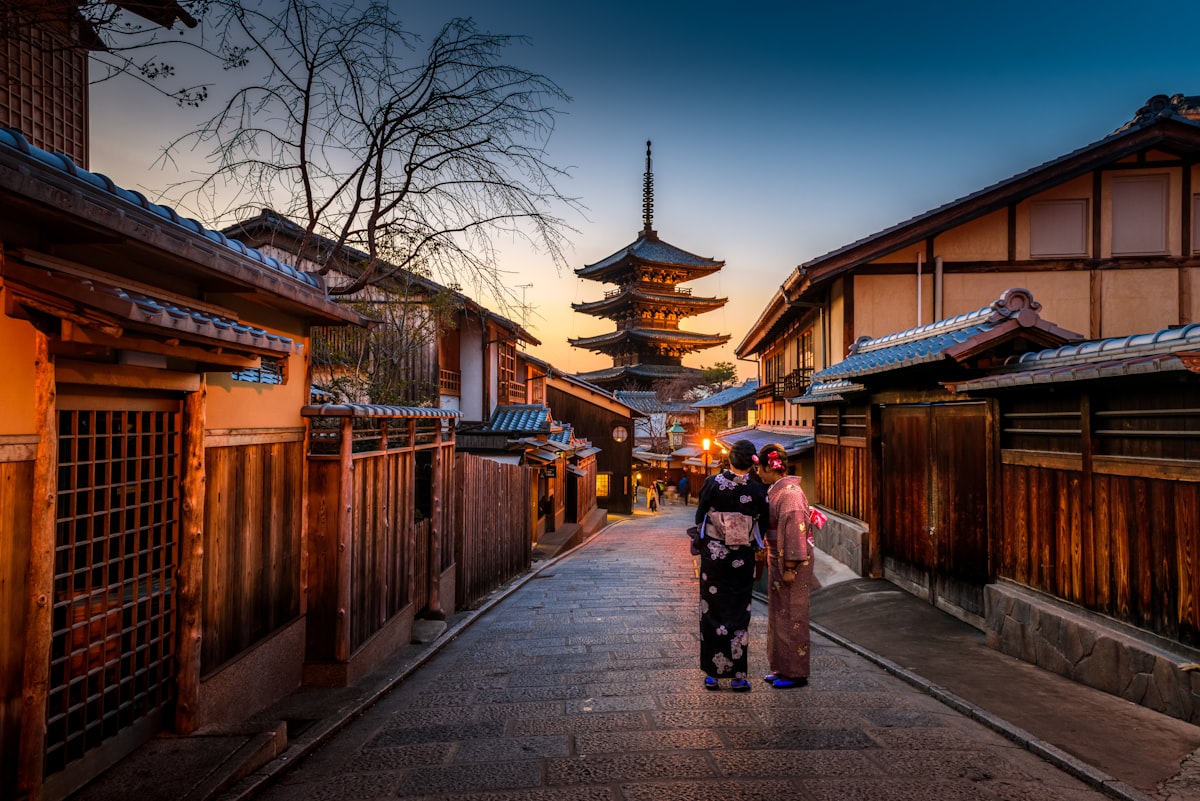
Past the temple, about 12 minutes' walk from the station, a small wooden boat crosses the Edogawa River to Matsudo in Chiba. It has run since the Edo period and is the only ferry crossing of its kind still running in Tokyo.
The ride takes about 5 minutes and costs a few hundred yen, cash only. There's no timetable: the boatman leaves when enough people have boarded. Crossing a river the way people did centuries ago isn't thrilling, but it's the part kids remember.
The ferry runs from about 10am to 4pm, daily from mid-March through November. From December to early March it runs only on weekends, holidays and temple festival days. Rain, strong wind or high water cancels it. The far bank is open farmland, so most people ride over and straight back.
A Shibamata Day Trip, Hour by Hour
Here's how a weekday morning usually goes for a family of four (two adults, two primary-school kids) starting from Bon House.
Leave at 9:15, and you're walking out of Shibamata Station by about 9:35. Train fares come to 438 yen each way for the four of you on IC cards (146 yen per adult, 73 yen per child). Go straight up the sando to the temple while it's still empty and do the carving gallery first: 1,200 yen for the family. By 10:30 Takagiya's tea room is open, and that's dango time. Then walk on to the ferry, or to the Tora-san Museum if it's raining. You can be back in Kanamachi before 1pm with an afternoon still in hand.
That's the shape I'd recommend to anyone: weekday, morning, temple first and food second. Allow 3 to 4 hours if you're relaxed about it. You could rush the whole thing in 90 minutes, but that misses the point.
Afternoons work too, especially in cooler months. The light angles down the sando, and the street is quieter after the lunch crowd thins.
Staying Near Shibamata: Why We Send Guests from Kanamachi
Shibamata is one of the main reasons I recommend Kanamachi to guests. A two-to-three-minute train ride means you can go back for dango on a second morning, or for New Year, without it feeling like an outing. Places like this are on your doorstep, not an hour away.
At New Year the case gets stronger: Taishakuten draws about 250,000 visitors over the holiday but has long quiet stretches that the famous shrines don't. Our Tokyo hatsumode guide has the hour-by-hour timing.
If you want Shibamata, Ueno and the airports all within easy reach, see rates and open dates for our guest room in Kanamachi, which sleeps up to four. It has a fridge, microwave and kettle and a washer-dryer, and it's a 7–10 minute walk from Keisei Kanamachi.
Before You Go to Shibamata: Cash, Shoes and Closing Days
Most small shops on the sando take cash only, so withdraw yen before you leave Kanamachi.
Wear comfortable shoes. The sando is paved, but the temple grounds and garden paths are gravel and uneven.
Closing days vary by shop. Several sights close on the third Tuesday of the month, so that's a poor day to go.
Shibamata is just one of our day trips from Kanamachi, though it's the one guests repeat most. For the neighborhood itself, see our Kanamachi guide, and if you have a free morning, Mizumoto Park pairs well with it.
Shibamata FAQ
Is Shibamata worth visiting if I've already been to Asakusa?
Yes, if you liked the old streets around Sensoji and wished there were fewer people. Skip it if you only have one or two days in Tokyo and haven't seen Asakusa yet; Asakusa covers more ground in one stop.
Is Shibamata good on a rainy day?
Mostly, yes. The ferry cancels in rain, but the carving gallery is under a roof, Yamamoto-tei is indoors, and the Tora-san Museum fills a wet hour. The gravel paths turn muddy, so bring shoes you don't mind getting dirty.
When is Shibamata most crowded?
During New Year, on weekend afternoons, and on Koshin days, the temple's festival days that come round every 60 days and bring extra visitors. Weekday mornings are the quietest time.
Is Shibamata good for kids?
Yes, if they like boats and snacks. The ferry costs 100 yen for children and is usually the highlight, and dango sticks are easy to eat while walking. Under-10s tend to lose interest in the museum and the carving gallery quickly, so keep those short.
When you're ready to plan dates, check availability at Bon House — Shibamata is one stop away.