
Mizumoto Park Guide: Tokyo's Hidden Nature Escape Near Kanamachi
Mizumoto Park: Tokyo's Largest Park You've Never Heard Of
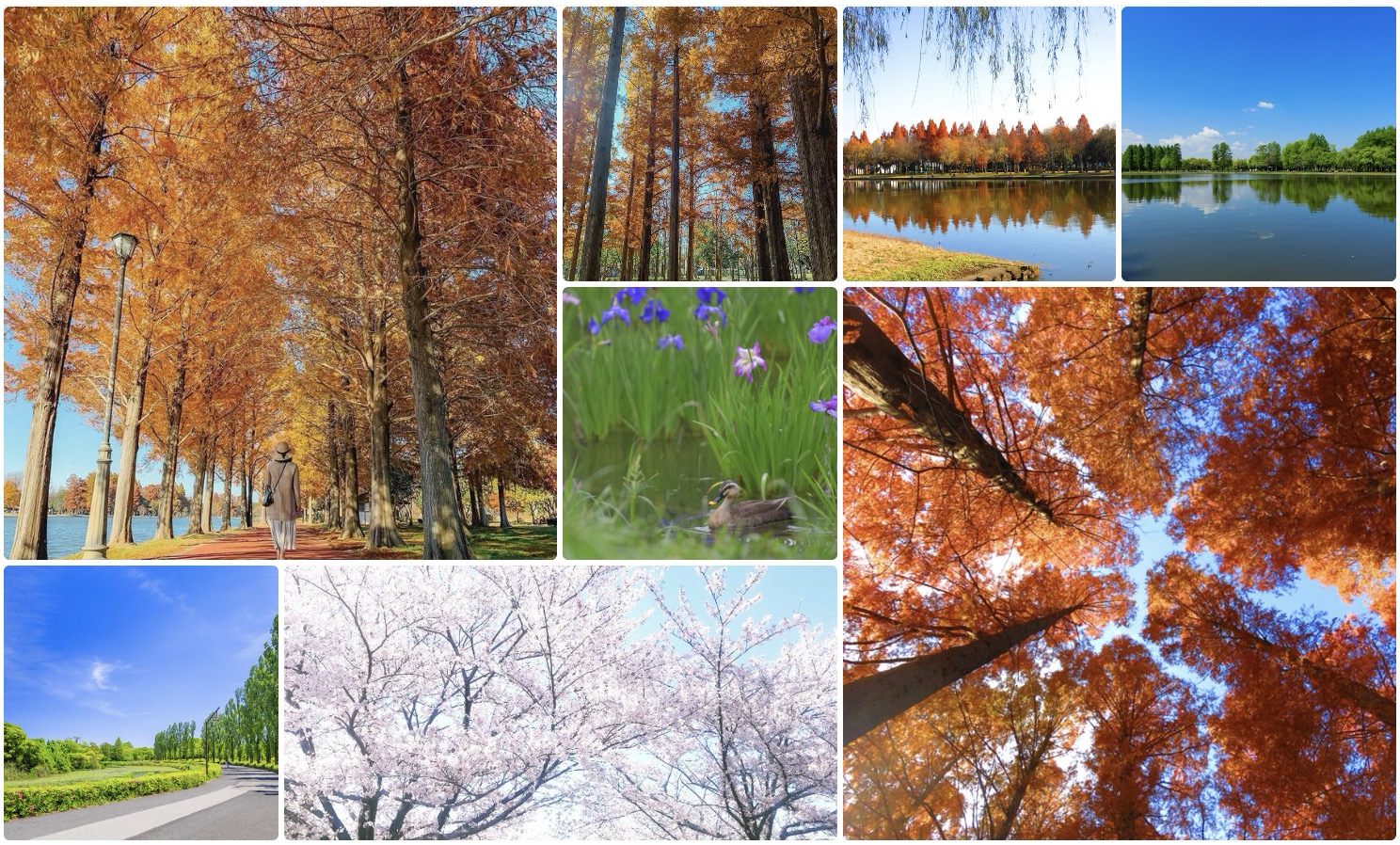
Most Tokyo visitors know Shinjuku Gyoen, Ueno Park, maybe Yoyogi. But ask about Mizumoto Park and you'll get blank stares—even from Japanese people who've lived in Tokyo for years.
That's a shame, because Mizumoto Park (水元公園) is Tokyo's largest park by water area. It's 20 minutes from Kanamachi by bus, admission is free, and on weekdays you might have entire sections to yourself.
I've been coming here for years. Let me show you what makes it worth the trip.
Why Mizumoto Park?
Mizumoto isn't trying to compete with central Tokyo parks. There's no zoo, no museum, no fancy garden that costs 500 yen to enter. What you get instead:
Space: 96 hectares of green space along the Edogawa River. That's roughly 20 times the size of Tokyo Dome. You can walk for an hour without retracing your steps.
Water: The park wraps around Mizumoto-Ōhashi Pond, connected to the Edogawa River system. Water birds, fishing spots, and actual nature sounds instead of traffic.
Quiet: Even on weekends, you won't fight crowds. On weekdays, some areas feel almost abandoned.
Free: No entrance fee. No ticket booth. Just walk in.
Getting to Mizumoto Park from Kanamachi
The park is about 3km north of Kanamachi Station. You have three options:
By Bus (Recommended)
From JR Kanamachi Station south exit, take the Keisei Bus bound for Mizumoto Park (水元公園行き). The ride takes about 20 minutes and costs 220 yen.
Buses run every 15-20 minutes during the day. The bus stop inside the park is called "Mizumoto Park" (水元公園).
By Bicycle
If you have a bicycle, the ride takes 15-20 minutes along mostly flat roads. There's a pleasant cycling path along the Naka River that connects Kanamachi to the park's southern entrance.
Bicycle parking is available at multiple spots inside the park.
On Foot
It's about a 40-minute walk from Kanamachi Station. The route isn't particularly scenic—residential neighborhoods and some light industrial areas. I only recommend walking if you enjoy long walks or want to combine it with exploring the Edogawa riverbank.
What to See at Mizumoto Park
The Metasequoia Forest
This is the park's signature feature. About 1,800 metasequoia trees (dawn redwoods) line the main pathways, creating forest corridors that feel out of place in Tokyo.
Best seasons: - Late November to early December: The trees turn a striking orange-brown. This is when photographers show up. For how this window compares with Rikugien, Takao and the Gaien ginkgo, see our Tokyo autumn leaves guide. - Spring: Fresh green leaves emerging - Summer: Dense shade that's noticeably cooler than surrounding areas
The metasequoia grove runs along the western edge of the main pond. Walk the full length—it takes about 20 minutes at a relaxed pace.
Iris Garden (Shobu-en)
Mizumoto has Tokyo's largest iris garden, with about 100 varieties and 200,000 plants. Peak bloom happens in early to mid-June.
During iris season (usually the first two weeks of June), the park hosts the Katsushika Shobu Matsuri festival. Food stalls appear, and the park sees its highest visitor numbers of the year.
Outside iris season, the garden is just a field of green leaves. Time your visit accordingly.
Cherry Blossoms
The park has around 1,500 cherry trees. They don't get the attention of Ueno or Meguro River, which is exactly why I recommend them.
Peak bloom is late March to early April, same as everywhere in Tokyo. The difference: you can find a spot to sit without arriving at 6am.
The best cherry viewing area is near the central lawn and along the pond's edge.
Bird Watching
The pond and wetland areas attract serious birders. Common sightings include:
- Herons (grey and great white)
- Cormorants
- Kingfishers
- Various ducks and waterfowl
- Occasional egrets
Bring binoculars if you're interested. Early morning visits (before 8am) offer the best wildlife activity.
BBQ and Picnic Areas
Mizumoto is one of the few Tokyo parks that allows barbecuing in designated areas. The BBQ zone requires advance reservation during peak seasons (spring and fall weekends).
Reservations can be made through the Katsushika Ward website, though the process is entirely in Japanese. For foreign visitors, the simpler option is bringing a picnic—no reservation needed for that.
Seasonal Calendar
| Season | What to See | Crowds |
|---|---|---|
| Late March - Early April | Cherry blossoms | Moderate |
| May | Fresh green, pleasant weather | Light |
| Early-Mid June | Iris festival | Heavy (for this park) |
| July - August | Lotus flowers, cicadas | Light (it's hot) |
| Late November - Early December | Metasequoia autumn colors | Moderate |
| Winter | Migratory birds, quiet walks | Very light |
Practical Information
Hours: Open 24 hours, though facilities close at night. Best visited during daylight.
Admission: Free
Facilities: - Multiple restrooms throughout the park - Vending machines at main entrances - Small café/rest house near the central area (limited menu) - Bicycle rental available on weekends and holidays
What to Bring: - Water and snacks (limited food options inside) - Sunscreen and hat in summer - Mosquito repellent (June-September) - Binoculars for bird watching - Comfortable walking shoes
Combining with Other Sights
Mizumoto Park works well as a half-day trip combined with:
Shibamata (30 minutes by bus + train): Visit the park in the morning, then head to Shibamata for lunch and temple exploring. See our Shibamata guide.
Kanamachi exploration: Return to Kanamachi for dinner at a local izakaya or ramen shop. Check our Kanamachi guide for recommendations.
Who Should Visit?
Good fit for: - Nature lovers tired of Tokyo's concrete - Bird watchers - Photographers (especially autumn and iris season) - Families with kids who need space to run - Anyone wanting a peaceful escape without leaving Tokyo - Visitors staying in eastern Tokyo looking for nearby activities
Skip if: - You want traditional Japanese gardens (try Rikugien instead) - You're short on time and need "greatest hits" Tokyo - You don't like walking (the park is huge) - You're visiting outside seasonal highlights and want guaranteed wow-factor
From Our Place
Mizumoto Park is one of my favorite recommendations for guests who've already done the central Tokyo attractions and want something different.
The bus from Kanamachi makes it an easy half-day trip. Pack a lunch, bring a book, and spend a few hours doing nothing in particular. That's the best way to experience it.
For more local area tips, see our complete Kanamachi guide or check day trips from Kanamachi for other ideas.
Frequently Asked Questions
How do I get to Mizumoto Park from central Tokyo?
The easiest route is JR Joban Line to Kanamachi Station (25 minutes from Ueno), then Keisei Bus to Mizumoto Park (20 minutes). Total journey is about 45-50 minutes from central Tokyo. The park has no direct train access.
Is Mizumoto Park worth visiting?
If you appreciate nature and don't mind being off the tourist trail, yes. It's Tokyo's largest park with beautiful metasequoia forests, free admission, and a quiet you rarely get in Tokyo. Best visited during cherry blossom season (late March), iris festival (early June), or autumn colors (late November). Weekdays are significantly quieter than weekends.
What is Mizumoto Park famous for?
Mizumoto Park is known for three things: Tokyo's largest iris garden (200,000 plants blooming in June), the stunning metasequoia forest (1,800 dawn redwood trees), and being Tokyo's largest park by water area. It's also one of few Tokyo parks allowing barbecues in designated zones.