Kanamachi Neighborhood, Tokyo: Local Life 27 Min from Ueno
By Atsushi — host at Bon House in Kanamachi, Katsushika ward. I've run Bon House since 2022 and hosted 300+ guest groups.
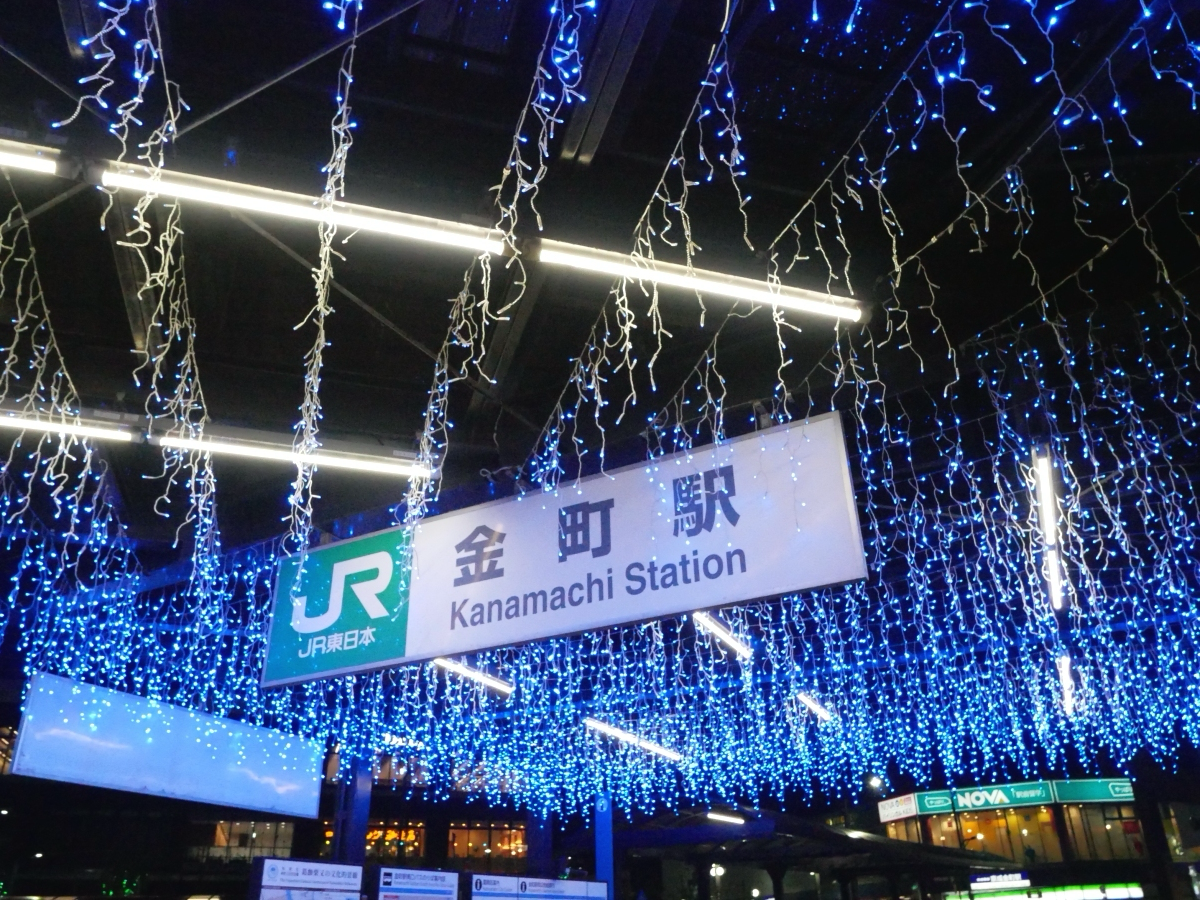
The Kanamachi neighborhood is the last Tokyo stop on the Joban Line local before the tracks cross the Edogawa River into Chiba, and it's still only 27 minutes from Ueno. It has no famous sight of its own. What it has is a station-front shopping street, a 24-hour supermarket, a river path you can follow to Tokyo Bay, and Shibamata's old temple town one stop away.
I host guests here, and this is the neighborhood as I'd describe it to a friend deciding whether to stay: what's here, how long everything takes, and who should book somewhere more central instead.
Kanamachi Neighborhood at a Glance: Travel Times
| From Kanamachi to | Time | Route (IC fare) |
|---|---|---|
| Ueno | 27 min | Change at Kita-Senju, ¥253 |
| Tokyo Station | About 35 min | Change at Kita-Senju |
| Shinjuku / Shibuya | 45–50 min | 1 change |
| Shibamata | 2–3 min | 1 stop on Keisei, ¥146 |
| Tokyo Disneyland | About 45 min | Change at Shin-Matsudo, ¥616 |
| Narita Airport | 55–70 min | Change at Keisei Takasago |
| Haneda Airport | About 70 min | Change at Keisei Takasago, ¥798 |
Fares are adult IC-card fares. The airport routes have step-by-step guides: Narita to Kanamachi and Haneda to Kanamachi. For Disney, see the Kanamachi to Tokyo Disneyland route.
Where Is Kanamachi? Tokyo's Northeast Corner in Katsushika
Kanamachi sits in Katsushika ward, in the far northeast of Tokyo's 23 wards. The Edogawa River runs along its eastern edge, and the bridge across it leads to Matsudo in Chiba Prefecture. On the JR line, the next station after Kanamachi is already Matsudo.
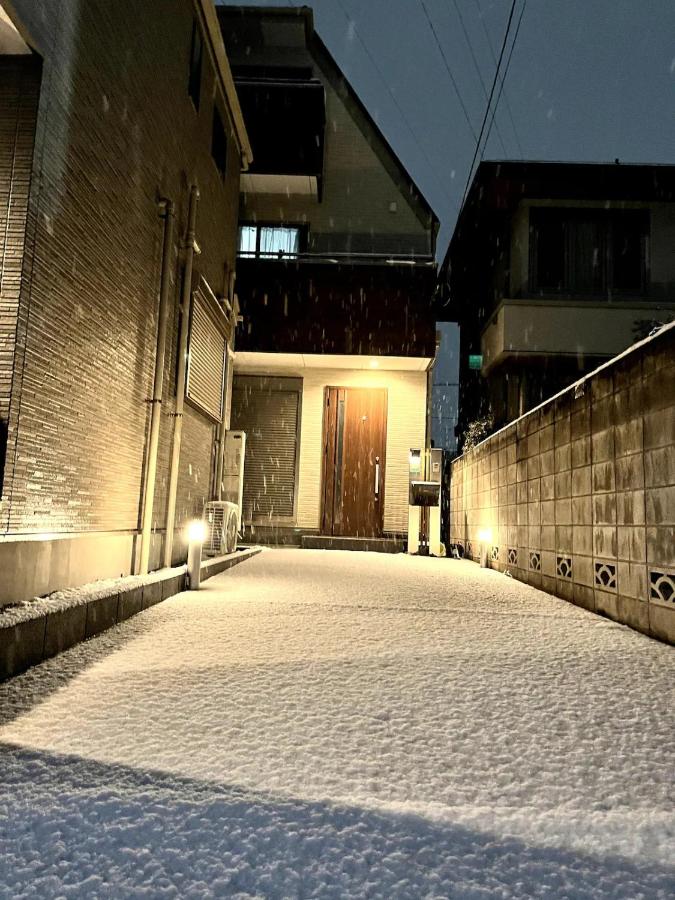
The neighborhood has two separate stations a short walk apart:
- JR Kanamachi, on the Joban Line local. Many trains run straight through from the Tokyo Metro Chiyoda Line, so Otemachi and Omotesando are reachable without a change.
- Keisei Kanamachi, the end of a short Keisei branch line. It's your station for Shibamata and both airports.
The tourist picture of Tokyo comes from the western wards: Shinjuku, Shibuya, Harajuku. The eastern wards are where a large share of Tokyo lives, and Kanamachi is one of the plainest examples. Most streets are low-rise and quiet after 9pm, and the shops serve residents. Station signs are in English; most menus are not.
Kanamachi Shotengai, Supermarkets and Local Bars
The shopping streets around the station are where you see the neighborhood working: greengrocers, fishmongers, shops selling prepared food for dinner, and the usual drugstores and 100-yen shops. Mornings are the best time to walk through, when the produce goes out on the pavement.
For groceries, Maruetsu Kanamachi is about 100 meters from the stations and open 24 hours, which matters if your flight lands late. The 7-Eleven ATMs near the station take foreign cards.
In the evening, look for Sakae-dori, a narrow lane of small bars and snack bars just across a Keisei Kanamachi Line level crossing. It's a Showa-era drinking street that hasn't been tidied up for visitors. Expect Japanese-only menus, tiny counters and a crowd of regulars.
If you want more shotengai, two well-known ones are close:
- Tateishi Nakamise is a covered arcade by Keisei Tateishi Station, two stops past Keisei Takasago on the Oshiage Line. It's famous for cheap afternoon drinking and grilled offal. The block is slated for redevelopment, so go sooner rather than later.
- Shinkoiwa Lumiere is a covered arcade of about 420 meters and roughly 140 shops at the south exit of JR Shin-Koiwa. Keisei Bus runs from Kanamachi Station to Shin-Koiwa.
For restaurants, ramen counters and day-to-day practicalities around the stations, our Kanamachi Tokyo guide goes street by street.
The Edogawa River Paths near Kanamachi
The Edogawa River is the reason Kanamachi feels open. Wide grass banks run along both sides, with paved paths on top. The Edogawa cycling road follows the river for roughly 60 km, from Sekiyado in northern Chiba down to Tokyo Bay, and the stretch past Kanamachi is flat and away from traffic.
You don't need a bike. Walk south along the bank and you reach Shibamata in about 30 minutes, with the Yagiri no Watashi ferry crossing just beyond it. In late July, the Katsushika Noryo fireworks launch from this riverbank at Shibamata; our Katsushika fireworks guide has the details.
For somewhere greener, Mizumoto Park, a huge waterside park with metasequoia groves and iris gardens, is about 20 minutes from Kanamachi by bus.
Tokyo University of Science, on Kanamachi's North Side
North of JR Kanamachi, the Tokyo University of Science Katsushika Campus stands on the site of the Mitsubishi Paper Mills Nakagawa factory, which opened in 1917. The campus opened in April 2013 and now houses the Faculty of Engineering, the Faculty of Advanced Engineering and, since 2025, the Faculty of Pharmaceutical Sciences.
It's about 8 minutes' walk from either Kanamachi station. The grounds run into Katsushika Niijuku Mirai Park, so the north side is open lawns and new apartment towers rather than old shopfronts.
If you're coming for a conference, an entrance exam or a student move-in, Kanamachi saves you the daily commute from a central hotel. The Tokyo University of Science student guide covers the campus side.
Who the Kanamachi Neighborhood Suits
Families with young kids. Quiet streets, a 24-hour supermarket, a river to run along, and nights without traffic noise. Shibamata's dango shops and the river ferry make an easy half-day that kids remember.
Stays of five nights or more. The longer you stay, the more the slower pace and the laundry and grocery routine pay off, and the less the extra 15–20 minutes of commuting matters.
Disney trips. Tokyo Disneyland is about 45 minutes away with one change at Shin-Matsudo, and the route skips central Tokyo entirely.
Repeat visitors. If you've already done Shibuya Crossing and Senso-ji, Kanamachi shows you the Tokyo of commuters, school runs and shotengai.
Early Narita departures. Keisei Kanamachi connects to the airport with one change, so you avoid crossing the city with luggage at rush hour.
A Typical Five-Night Stay Based in Kanamachi
Here's how it usually goes for a family of four, two adults and two primary-school kids, landing at Narita at 3pm.
Day 1. By the time bags and immigration are done, it's around 4pm. The Keisei Main Line to Keisei Takasago, then the branch line to Keisei Kanamachi, takes 55–70 minutes and costs ¥936 per adult on IC cards. After a 7–10 minute walk they're at the door well before dinner, and Maruetsu covers the first evening's groceries.
Day 2. Ueno in 27 minutes, at ¥253 per adult: Ueno Park, the zoo and Ameyoko market. Back in Kanamachi by 6pm, the kids go to bed in a quiet room instead of a hotel corridor.
Day 3. A slow morning: one stop to Shibamata for ¥146 per adult, the temple and dango before 11am, then the river path back on foot. Laundry goes in the washer-dryer.
Day 4. Tokyo Disneyland, about 45 minutes via Shin-Matsudo at ¥616 per adult.
Day 5. Shinjuku or Shibuya, the one day where the 45–50 minute ride is noticeable. Dinner is takeaway from the shotengai, heated in the room's microwave.
On departure day, it's the same route back to Narita, with no change of hotel and no cross-city transfer.
Staying in the Kanamachi Neighborhood at Bon House
Bon House is a private guest room inside a detached house on a quiet residential street, a 7–10 minute walk from Keisei Kanamachi. It's one tatami room with four futons, its own bathroom and toilet, and self check-in. There's no kitchen: the room has a fridge, microwave and kettle, plus a washer-dryer, Wi-Fi and air conditioning.
If the trip above sounds like yours, see rates and open dates for Bon House in Kanamachi. Before booking, read our booking policy for check-in times and cancellations.
Kanamachi Trade-Offs: Commute, Last Trains and English
Kanamachi isn't the right base for every trip. These are the downsides I tell people about before they book.
Western Tokyo takes time. Shinjuku, Shibuya and Harajuku are 45–50 minutes away. Over a three-day trip packed with sights, that adds up to hours on trains.
Last trains need planning. The last trains from central Tokyo back to Kanamachi leave around midnight. Miss them and you're facing a long taxi ride or waiting for the first trains around 5am. Check the exact time in a train app before you go out.
Nightlife is local. Sakae-dori bars and izakaya, yes. Clubs and late-night entertainment, no.
Food variety is narrow. Japanese comfort food is good and cheap: ramen, yakitori, gyudon, sushi. For good Thai, Indian or Italian, you'll eat in another neighborhood.
English is limited. Station signs are bilingual, but restaurant staff mostly aren't. A translation app with camera mode solves most menus.
Still undecided? Is Kanamachi good for tourists? puts the pros and cons side by side, and our day trips from Kanamachi show how far the location reaches. For Shibamata itself, see the things to do in Shibamata guide.
Kanamachi FAQ
Is Kanamachi safe at night?
Yes. It's a residential neighborhood with commuters walking home from the station until the last train, and the main streets are lit. The usual big-city caution applies around the bar lanes late at night, but nothing about Kanamachi calls for more than that.
Can I tap a credit card at the ticket gates in Kanamachi?
No. Neither JR East nor Keisei accepts tap-to-pay credit cards at the gates here, so you need a Suica or PASMO (or a paper ticket). You can add Suica to an iPhone or Apple Watch before you land.
Should I stay in Kanamachi or Asakusa on a first trip?
Stay in Asakusa if you have three nights or fewer and want to walk to the big sights. Choose Kanamachi if you have five nights or more, are traveling with kids, or want a quieter base with Disney and Narita each one change away. Our where to stay near Asakusa guide compares that side.
When you've settled on dates, check availability at Bon House. Kanamachi is quiet and 27 minutes from Ueno, with Shibamata one stop away.