
Kanamachi Tokyo Guide: A Local's Complete Area Walkthrough
Kanamachi Tokyo Guide: Everything You Need to Know
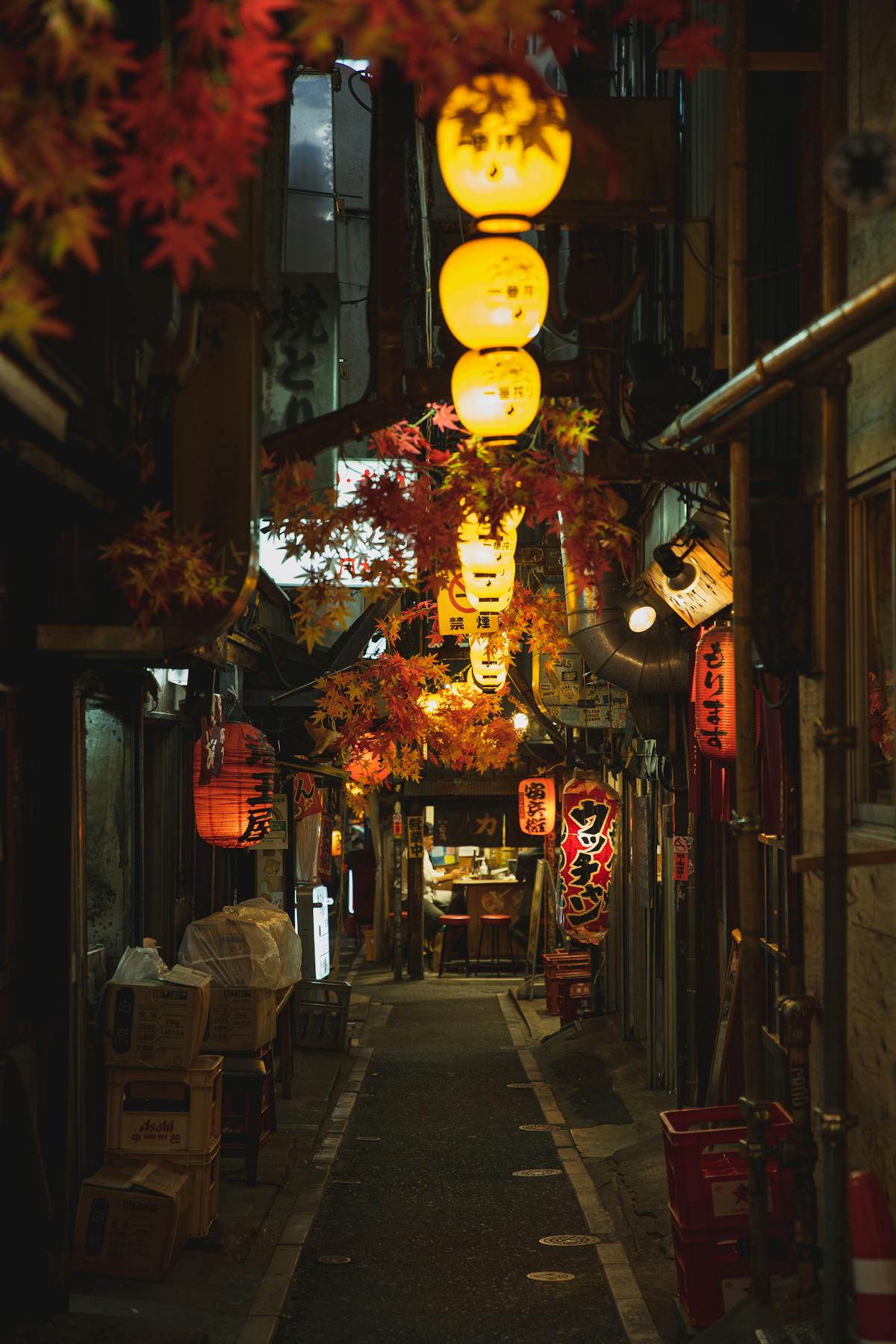
Kanamachi doesn't appear in tourist guidebooks. There's no famous temple, no Instagram landmark, no reason for most visitors to ever learn this name exists.
But if you're staying in this area—whether visiting Tokyo University of Science, passing through to Narita, or simply looking for an affordable base—this Kanamachi Tokyo guide covers everything practical you need to know.
I've lived and hosted here since 2022. Let me show you around.
Last updated: May 2026
Understanding Kanamachi Station
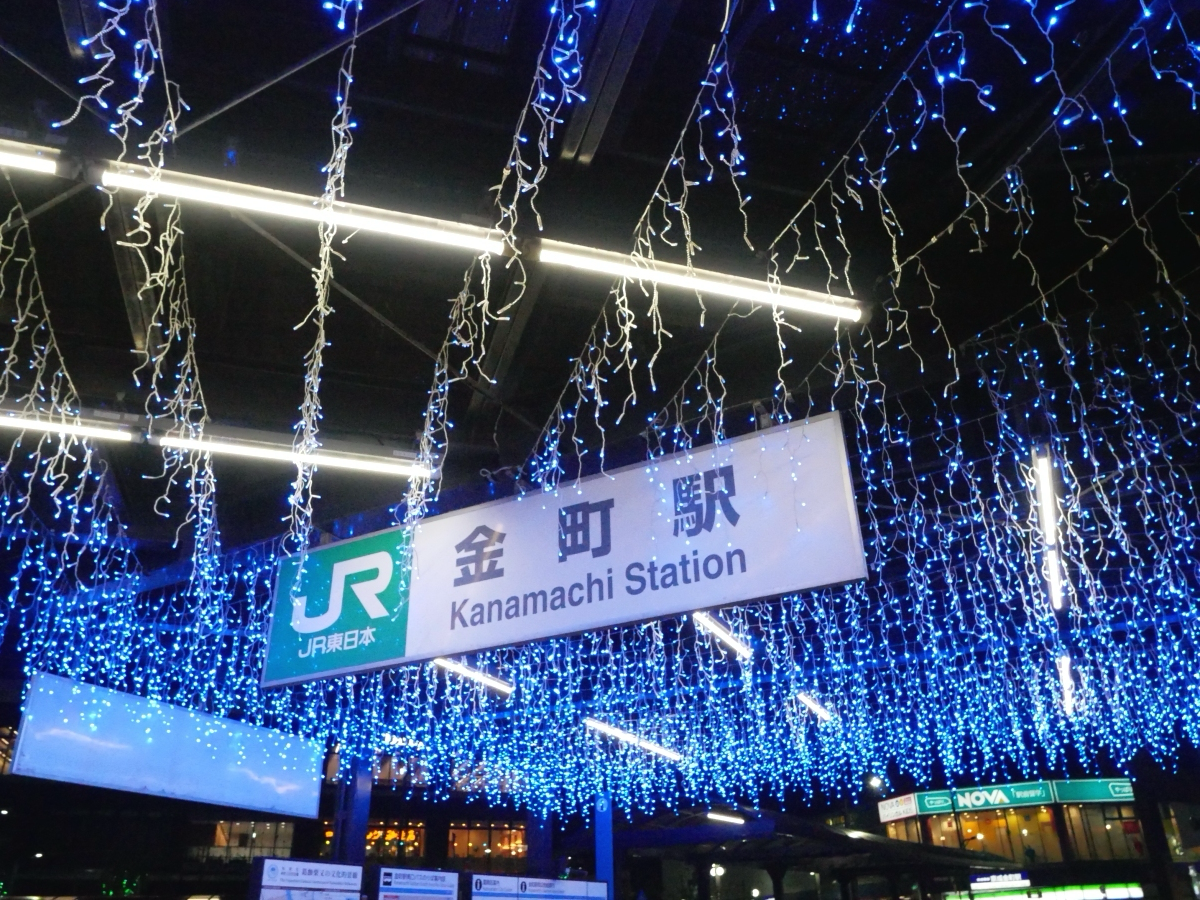
Kanamachi has two railway stations that share essentially the same location:
JR Kanamachi Station (JR Joban Line): The main station. Connects you to Ueno, Tokyo Station, and central Tokyo destinations.
Keisei Kanamachi Station (Keisei Kanamachi Line): Right next door. Useful for Shibamata (10 minutes) and connections to Narita Airport via Keisei Takasago.
Both stations are small by Tokyo standards. No massive underground maze. You can figure out the layout in minutes.
Station Exits
The JR station has north and south exits. The south exit faces the main shopping street and has more activity. The north exit opens to a quieter residential area.
Keisei Kanamachi is a single small station with one entrance.
Tip: If meeting someone, specify "south exit of JR Kanamachi" to avoid confusion.
Getting Around from Kanamachi
This Kanamachi Tokyo guide starts with transport because that's what visitors worry about most.
To Central Tokyo
| Destination | Route | Time | Cost |
|---|---|---|---|
| Ueno | JR Joban Line direct | 25 min | ~310 yen |
| Tokyo Station | JR Joban Line (some direct, some transfer at Nippori) | 30-35 min | ~400 yen |
| Akihabara | JR Joban Line to Kita-Senju, transfer to Hibiya Line | 25 min | ~350 yen |
| Shinjuku | JR Joban Line to Nishi-Nippori, transfer to Yamanote Line | 40-45 min | ~480 yen |
| Shibuya | Similar to Shinjuku route | 45-50 min | ~500 yen |
To Airports
Narita Airport: Take Keisei Line from Keisei Kanamachi to Keisei Takasago (5 minutes), then Keisei Main Line or Skyliner to Narita. Total time: 55-70 minutes depending on service type.
Haneda Airport: More complicated. Usually involves transfers through central Tokyo. Budget 75-90 minutes.
To Nearby Attractions
Shibamata: Keisei Line, 10 minutes, ~170 yen. Historic temple town, great for a half-day visit.
Tokyo Skytree: JR to Kita-Senju, then Tobu Line or Tokyo Metro to Oshiage. About 30 minutes, ~400 yen.
Tokyo Disneyland: JR Joban Line to Matsudo, transfer to Musashino Line to Maihama. About 45-50 minutes, ~480 yen. See our detailed Disney route guide.
Food Options
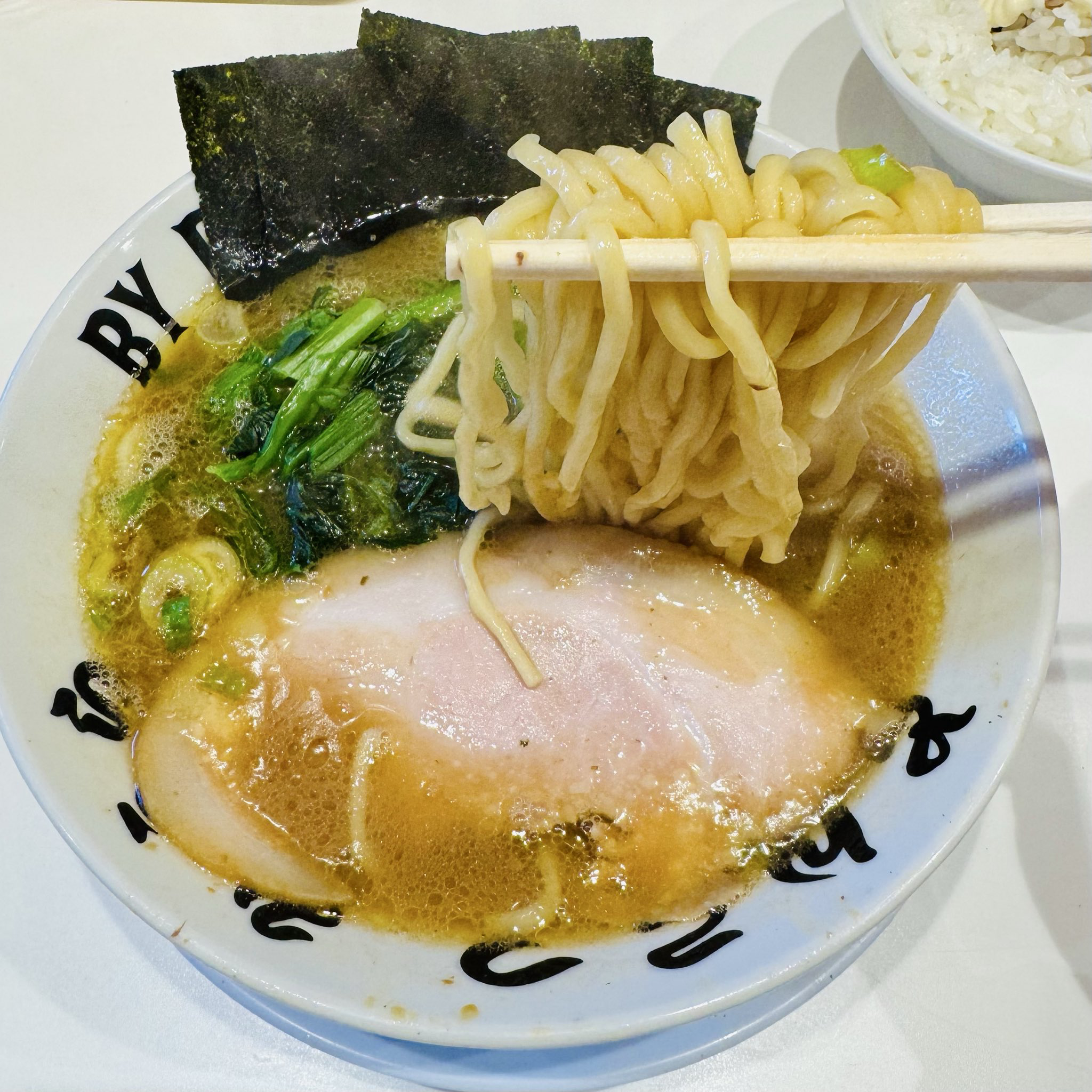
Kanamachi isn't a food destination, but you'll eat well for cheap. This section of our Kanamachi Tokyo guide covers daily eating options.
Quick Meals
Convenience stores: Multiple 7-Eleven, Lawson, and FamilyMart locations near the station. Rice balls (onigiri), bento boxes, and sandwiches cost 100-500 yen. The quality is real — Japanese convenience store food is a category of its own.
Chain restaurants: Matsuya (beef bowls), Yoshinoya, Sukiya—all within walking distance of the station. Full meals for 400-600 yen.
Fast food: McDonald's, MOS Burger, and a few others near the south exit.
Local Restaurants
Ramen shops: Several good options in the area. Expect 800-1,000 yen for a bowl. There's a standing ramen counter about five minutes south of the station — the kind with eight seats, a handwritten menu, and a line at lunch. Miso tsukemen, 950 yen. No English menu, point at the bowl the person next to you has.
Izakaya: Multiple Japanese-style pubs for evening meals. Prices vary, but 2,000-3,000 yen per person covers food and a couple drinks. Most menus are Japanese-only.
Family restaurants: Gusto and similar chains offer varied menus at reasonable prices. Useful when group members want different things.
Sushi: A few conveyor belt sushi places and traditional sushi restaurants. Budget 1,500-3,000 yen for a satisfying meal.
Groceries
Supermarkets: Multiple options including Life, Maruetsu, and smaller local stores. Fresh produce, prepared foods, and household items at normal Japanese prices.
The supermarket near the south exit stays open until 10-11pm, useful for late arrivals.
Food Reality Check
You won't find many international cuisine options. Good Italian, Thai, Indian, or Korean food requires traveling to other neighborhoods. Vegetarian and vegan visitors will struggle—Japanese food relies heavily on fish-based dashi and meat.
What you will find: excellent, affordable Japanese comfort food. Ramen, gyudon, tonkatsu, yakitori. The basics, done well.
Shopping
Daily Necessities
Drug stores: Matsumoto Kiyoshi and others near the station. Toiletries, medicine, cosmetics, and snacks.
100-yen shops: Daiso and similar stores for cheap household items, snacks, and travel essentials.
Clothing: Uniqlo isn't directly in Kanamachi, but basic clothing shops exist. For serious shopping, go to Kita-Senju (15 minutes by train) or central Tokyo.
The Shotengai
A traditional shopping street runs from the station. Local shops sell vegetables, fish, prepared foods, and everyday items. Mostly older merchants serving longtime residents.
This isn't cute tourist shopping. It's functional neighborhood commerce. But if you want to see how regular Japanese people shop day-to-day, walk through during morning hours.
What's Missing
High-end shopping doesn't exist here. Electronics stores are limited (go to Akihabara). Fashion shopping is minimal. Bookstores with English selections: zero.
For anything beyond daily necessities, plan a trip elsewhere.
Practical Services
Banks and ATMs
ATMs: 7-Eleven and convenience stores have 24-hour ATMs that accept foreign cards. This is usually your best option.
Banks: Mizuho, MUFJ, and Yucho (Japan Post Bank) have branches near the station. Regular banking hours (9am-3pm weekdays).
Money exchange: Limited. Exchange money at the airport or in central Tokyo before coming here.
Medical
Clinics: Several small clinics in the area for non-emergency medical needs. Most doctors speak limited English. Bring a translation app or Japanese-speaking friend for anything complicated.
Hospital: Larger hospitals require travel to other areas. For emergencies, call 119.
Pharmacy: Drug stores carry basic medicine. Prescription medications require a pharmacy (look for the green cross symbol).
Post Office
Japan Post office near the station handles mail, packages, and basic banking. International shipping available but staff may struggle with English.
Accommodations
This Kanamachi Tokyo guide wouldn't be complete without discussing where to stay.
Hotels
Limited options. A few business hotels exist but nothing fancy. Most visitors staying in the area use vacation rentals or guesthouses.
Vacation Rentals
More common than hotels in this neighborhood. Vacation rentals typically offer more space at lower prices than central Tokyo hotels. Good for families or longer stays.
Considerations
Pros: Lower prices, more space, quiet nights, authentic neighborhood experience.
Cons: Distance from central attractions, limited English support, fewer dining options.
If your priority is being close to Shibuya nightlife or checking off famous sightseeing spots efficiently, this isn't your area. If you want affordable space and don't mind the commute, it works well.
Who This Area Suits
Based on years of hosting visitors, certain types of travelers do well here:
Families: The space and quiet matter when traveling with children. Kids can be kids without disturbing paper-thin hotel walls.
A couple from Taipei with two kids aged 6 and 9 stayed for two weeks last summer. By day four the kids knew which konbini had the best onigiri and were ordering ramen by pointing. The parents said it was the first trip where the kids felt like they were living somewhere, not just visiting.
Budget travelers: Savings on accommodation fund actual experiences. A week here versus central Tokyo saves enough for several nice meals or activities.
Tokyo University of Science visitors: The campus is a 10-minute walk. Students, researchers, and visiting parents find it convenient.
Airport travelers: Early Narita flights or late arrivals are easier from here than from western Tokyo.
Longer stays: A week or more justifies learning the area and benefits from cost savings.
Who Should Stay Elsewhere
Short trips (1-3 nights): Not enough time to benefit from the savings or learn the area.
Nightlife priority: Local izakaya close by midnight. Real nightlife means commuting to Shinjuku and expensive taxis home.
Packed sightseeing itineraries: If you're hitting 4-5 attractions daily, central location saves time.
English dependency: If language barriers stress you out, tourist areas offer more support.
Day-to-Day Reality
Here's what daily life looks like using this Kanamachi Tokyo guide:
Morning: Wake up to quiet. Grab breakfast from a convenience store or local bakery. Walk to the station, board the Joban Line toward wherever you're going.
Daytime: Explore Tokyo's famous areas. The train ride back feels less exhausting than returning to a crowded central hotel.
Evening: Return to quiet streets. Grab dinner at a local restaurant or supermarket. Walk along the Edogawa River if weather permits.
Night: Sleep in genuine quiet. No neon through windows. No party noise from neighbors.
It's not exciting. That's the point.
Getting Oriented
Your first day, take 30 minutes to walk around. Find the nearest: - Convenience store - Supermarket - ATM (7-Eleven is most reliable) - Restaurant you might try
Download offline Google Maps before arriving. Screenshot the train routes you'll use most. This Kanamachi Tokyo guide helps, but personal exploration matters.
The area isn't complicated. A single walk around the station covers 90% of what you'll need.
From Our Place
We're about a 5-minute walk from Kanamachi Station. Guests ask for specific recommendations—where to eat, which train to take, how to navigate something. I'm happy to help with those details.
The neighborhood isn't for everyone. But for travelers who value quiet, space, and savings over convenience and excitement, it works well. If you're looking for a quiet, practical base in eastern Tokyo, see what's available at Bon House.
For more context, see why Kanamachi is special or check whether Kanamachi is right for your trip.
If you're looking for nature nearby, Mizumoto Park is Tokyo's largest park—just 20 minutes by bus with stunning metasequoia forests and iris gardens. For other destinations, our day trips from Kanamachi guide covers the practical routes.
Frequently Asked Questions
How do I get to Kanamachi from central Tokyo?
Take the JR Joban Line from Ueno (25 minutes), Tokyo Station (30-35 minutes), or Nippori (20 minutes). Kanamachi is the terminus of the local Joban Line service. Look for trains marked "Kanamachi" as the final destination.
Is Kanamachi safe for tourists?
Very safe. Kanamachi is a quiet residential neighborhood with low crime rates. Streets are calm even at night, and locals are friendly. The main challenge is limited English—most signs and menus are Japanese only. Bring a translation app and you'll manage fine.
What is there to do in Kanamachi?
Kanamachi itself isn't a sightseeing destination—it's a residential neighborhood. But it's well-positioned for day trips: Shibamata (10 minutes), Tokyo Skytree (30 minutes), Asakusa (25 minutes), and Tokyo Disneyland (45 minutes) are all easily accessible. The local appeal is affordable living, quiet streets, and authentic Japanese neighborhood life.