
Tokyo University of Science Katsushika Campus: A Student's Guide to Kanamachi
By Atsushi — host at Bon House in Kanamachi, Katsushika ward. I've run Bon House since 2022 and hosted 300+ guest groups.
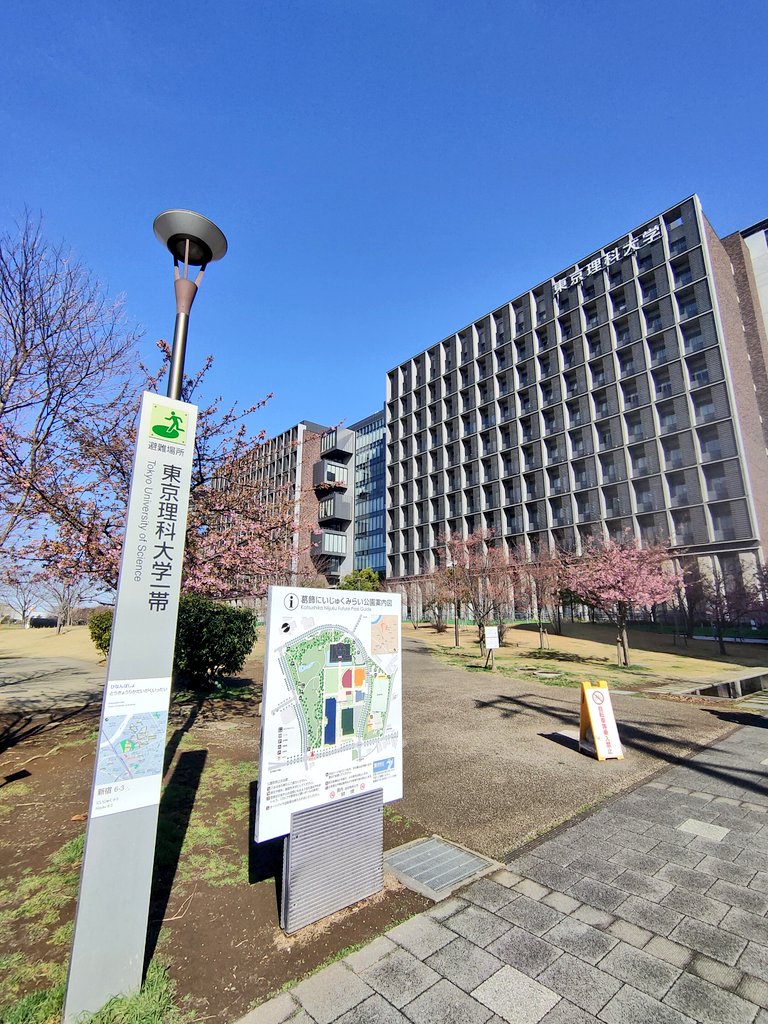
The Tokyo University of Science Katsushika campus is an 8-minute walk from Kanamachi Station, on land that was a Mitsubishi paper mill from 1917, and since 2025 it has taught three faculties: Engineering, Advanced Engineering and Pharmaceutical Sciences.
Bon House is on the same north side of Kanamachi, about 10 minutes on foot from the campus. The people who book us for TUS reasons are mostly exam takers, parents helping a student move in, and visiting researchers. This guide covers what they ask me: where students live, what a month costs, where to study off campus, and how the area works day to day.
Tokyo University of Science Katsushika Campus at a Glance
| Item | Detail |
|---|---|
| Address | 6-3-1 Niijuku, Katsushika-ku |
| Nearest station | Kanamachi (JR / Keisei), 8 min walk |
| Opened | April 2013 |
| Faculties | Engineering, Advanced Engineering, Pharmaceutical Sciences |
| To Ueno | 27 min, change at Kita-Senju, ¥253 |
| Campus library | Weekdays 9:00–21:00, Sat 9:00–17:00 |
| Tokyo minimum wage | ¥1,280/hour from 1 Oct 2026 |
Library hours are from the TUS library's 2025 notice and change in exam periods and holidays. Fares are adult IC-card fares.
What's on the Katsushika Campus
The campus is built as an open "academic park": there's no wall around it, and Katsushika Niijuku Mirai Park runs right alongside, so local families with kids and dog walkers share the lawns with students. From the JR North Exit, follow Rikadai-dori, the shopping street named after the university ("Rikadai" is the Japanese nickname for TUS).
- Library: open weekdays until 21:00 and Saturday until 17:00, closed Sundays and holidays. Hours change in exam periods and breaks.
- Cafeteria: in the administration building. Japanese local coverage describes ramen and set meals on the first floor and Thai and Vietnamese dishes on the second.
- Sports: a gymnasium and athletic grounds.
Compared with the older Kagurazaka campus in central Tokyo, Katsushika has space: wide walkways, low buildings and a park on the doorstep. What it lacks is nightlife, which most students here don't miss.
Tokyo University of Science Student Housing Near Katsushika
Rents below are typical ranges for the Kanamachi area as of 2026, not quotes. Check current listings before you sign anything.
| Option | Space | Rent / month | Best for |
|---|---|---|---|
| TUS Katsushika Int'l Dorm | Single or shared unit | Ask TUS | First year in Japan |
| Katsushika Community House | Dorm room | Ask Kyoritsu | Built-in social life |
| Share house | Private room | ¥50,000–70,000 | Low move-in cost |
| 1K / 1R apartment | Studio | ¥60,000–80,000 | Full independence |
Katsushika International Dormitory opened with the campus in April 2013 and is for TUS students only. Japanese and international students live together, and the shared-room units put three rooms around one kitchen, bath and toilet. Places are limited, so apply as soon as your acceptance arrives.
Katsushika Community House is a partner dormitory run with Kyoritsu Maintenance. It has lots of communal space and separate men's and women's baths with saunas. Ask Kyoritsu for current rent and meal options.
Private apartments: TUS points students to Kyoritsu Maintenance and the National Students Information Center (Nasic) for private rentals. A 1K in an older building near Kanamachi Station is at the low end of the range; newer buildings within 5 minutes of the station sit at the top.
Cost of Living for a Tokyo University of Science Student
A realistic monthly budget for a student living near the Katsushika campus, as of 2026:
| Expense | Monthly cost |
|---|---|
| Rent | ¥50,000–80,000 |
| Utilities | ¥8,000–12,000 |
| Food | ¥30,000–40,000 |
| Transport | ¥5,000–10,000 |
| Phone / internet | ¥5,000–8,000 |
| Other | ¥10,000–20,000 |
| Total | ¥108,000–170,000 |
The food line drops if you cook in your own apartment and eat lunch at the campus cafeteria. Maruetsu Kanamachi, about 100 m from the stations, is open 24 hours, and its prepared food gets marked down late in the evening. Tokyu Store by the North Exit is the other main supermarket. For how this compares with other parts of the city, see our Tokyo monthly living cost breakdown.
Part-Time Jobs for TUS Students in Kanamachi
Tokyo's minimum wage rose to ¥1,280 an hour on 1 October 2026, and it applies to every part-time job in the city. Any listing below that is breaking the law.
- Convenience stores and supermarkets: always hiring, at or a little above the minimum. Night shifts pay a 25% premium.
- Tutoring: usually above shop wages. Science and maths tutoring in Japanese pays best; English conversation is open to international students whose Japanese is still basic.
- Restaurants and cafés: evening and weekend shifts around the station and along Rikadai-dori.
- On-campus work: lab and library assistant posts. Few in number, but you can't beat the commute.
International students need permission to work outside their visa status (資格外活動許可) first. With it, the limit is 28 hours a week during term and up to 8 hours a day during the long vacations set by the university.
Getting Around from Kanamachi Station
Kanamachi has two stations a short walk apart. JR Kanamachi is on the Joban Line local, and many trains run straight through onto the Tokyo Metro Chiyoda Line. Keisei Kanamachi is the end of a short Keisei branch line, and it's the one you want for the airports and for Shibamata.
| From Kanamachi to | Time | Notes |
|---|---|---|
| Ueno | 27 min | Change at Kita-Senju, ¥253 |
| Tokyo Station | About 35 min | Change at Kita-Senju |
| Otemachi | About 30 min | Through train to Chiyoda Line |
| Shibamata | 2–3 min | 1 stop on Keisei, ¥146 |
| Narita Airport | 55–70 min | Change at Keisei Takasago |
| Haneda Airport | 65–70 min | Change at Keisei Takasago |
Other TUS campuses: Kagurazaka is about 45 minutes away with one change: Chiyoda Line to Otemachi, then the Tozai Line to Kagurazaka or Iidabashi. Allow extra time if you have classes on both campuses in one day.
Paying for trains: neither JR East nor Keisei accepts contactless credit cards at the gates yet, so you need a Suica or PASMO. Students can buy a discounted commuter pass for their home-to-campus route; see our Suica guide for foreigners.
From the airports: step-by-step guides with maps: Narita to Kanamachi and Haneda to Kanamachi.
Cycling to the Katsushika Campus
The area is flat, and a bike is the fastest way between your apartment, the campus and the supermarkets. A used bike from a local shop costs ¥10,000–20,000.
Bicycle crime-prevention registration (防犯登録) is required by law. The shop does it when you buy, for a small fee. If you take over a bike from a graduating student, re-register it with a transfer document, or a police check will assume it's stolen. Station bike parking is mostly paid, and bikes left on the pavement get removed. Japan's new nationwide cycling fines (the blue-ticket system) are covered in our bus and bike share guide.
Study Spots Near the Tokyo University of Science Katsushika Campus

The campus library closes at 21:00 on weekdays, 17:00 on Saturdays, and all day on Sundays. These are the alternatives.
Katsushika City Central Library, in the Vinasis Kanamachi building next to Kanamachi Station, is the ward's main library and is open to everyone for free. Some of its seats can be booked online through the ward library website, which also lists current opening hours. Before school exam seasons the seats fill early.
Doutor by the JR North Exit is quiet outside the morning rush and cheap enough to sit over one coffee. Students use it for last-minute revision.
Family restaurants along the main roads stay open late and put up with students who keep ordering drinks. Small local coffee shops (kissaten) are quieter, but some don't want laptops parked for hours at lunchtime.
For anything after midnight, the realistic answer is a good desk and chair in your own room.
TUS Entrance Exams: Staying Near the Exam Venue
TUS's general entrance exams run in early February, with the exact days set in each year's guidelines. The venue is the one printed on your exam ticket, and it isn't always the campus of the faculty you applied to. Check the ticket before you book a room anywhere.
If your ticket says Katsushika, staying in Kanamachi the night before cuts the morning to a short walk. Here's how it usually goes for a student and a parent flying in from overseas:
They land at Narita the afternoon before and reach Keisei Kanamachi 55–70 minutes later, changing at Keisei Takasago. After dropping their bags they walk to the campus gate and back, so the route is familiar the next morning. Dinner and breakfast come from Maruetsu, warmed in the room's microwave. On exam morning the student walks about 10 minutes to the campus instead of facing a rush-hour train from central Tokyo, and the parent waits it out at the Central Library or the Doutor by the station.
Where to Stay Near the Katsushika Campus for Exams, Move-In or a Visit
Kanamachi has very few hotels. For a short stay near the Tokyo University of Science Katsushika campus, the choice is mostly between a central hotel with a daily commute and a private room in the neighborhood.
Bon House is a private guest room in a detached house: one tatami room with 4 futons, your own bath and toilet, a fridge, microwave, kettle, washer-dryer and Wi-Fi. There's no kitchen. It's 7–10 minutes on foot from Keisei Kanamachi and about 10 minutes from the campus, on a residential street that's quiet by 9 pm. That suits an early night before an exam, or a parent staying a week to help with the move-in paperwork.
If you're coming for an exam, a move-in or a research visit, check Bon House's rates and open dates for your stay near the TUS campus.
Settling In: Ward Office, Insurance and Banking for International Students
Japanese language: undergraduate courses at TUS are taught in Japanese, and some graduate programs run in English. Plan on at least JLPT N2 for undergraduate lectures. Our Japan student visa and JLPT guide covers the visa side.
Ward office: within 14 days of moving into your address, register it at the Katsushika City Office and sign up for National Health Insurance at the same visit. Bring your residence card and passport.
Banking: most new arrivals open their first account at Japan Post Bank (Yucho), whose ATMs are in every post office. Newcomers can face limits on some services in their first 6 months, so ask at the counter what applies to you.
Clubs: joining a circle or club is how Japanese students make friends, and TUS has plenty. Join one in your first month, before the groups settle.
Living in Kanamachi as a TUS Student: The Trade-Off
Kanamachi isn't a trendy neighborhood. You won't find concept cafés or boutique shopping. You get lower rent than central Tokyo, quiet nights, a 24-hour supermarket, a shotengai full of cheap food, and the Edogawa River and Mizumoto Park for a run or a bike ride. Shibamata's old temple town is one stop away on Keisei.
For a student who's here to study, that trade works. If you need city nightlife every weekend, Ueno is 27 minutes away, and you'll ride that train more than you'd like. Our Kanamachi neighborhood guide has more on the area, and the Kanamachi station guide covers both stations' exits, shops and ATMs.
If you or your family need a short stay while you find an apartment or sit an exam, see the Bon House room and book your dates here. Message me before you arrive if you have questions about the area; I'm happy to help.
Frequently Asked Questions
Can visitors eat at the TUS Katsushika campus cafeteria?
Local coverage describes it as open to the public, with standard Japanese dishes downstairs and Asian dishes upstairs at student prices. Hours shrink during university holidays, so check before you make a special trip.
Can non-students use the TUS Katsushika library?
TUS runs a community-use scheme for the Katsushika library. Check the TUS library website for who qualifies and how to register. Outside users can be turned away in July and January, when students are sitting exams.
Do I need a Japanese guarantor to rent near the Katsushika campus?
Not always. Most landlords want a guarantor company, and TUS points international students to GTN's TRUST NET 21, which doesn't need a Japanese guarantor or Japanese-language contact. Tell them you're a TUS international student when you apply.