블로그로 돌아가기
도쿄

Tokyo Skytree Christmas: Illuminations, Markets & Winter Magic

2026년 1월 20일8 분 읽기

Tokyo Skytree Christmas: A Complete Winter Season Guide

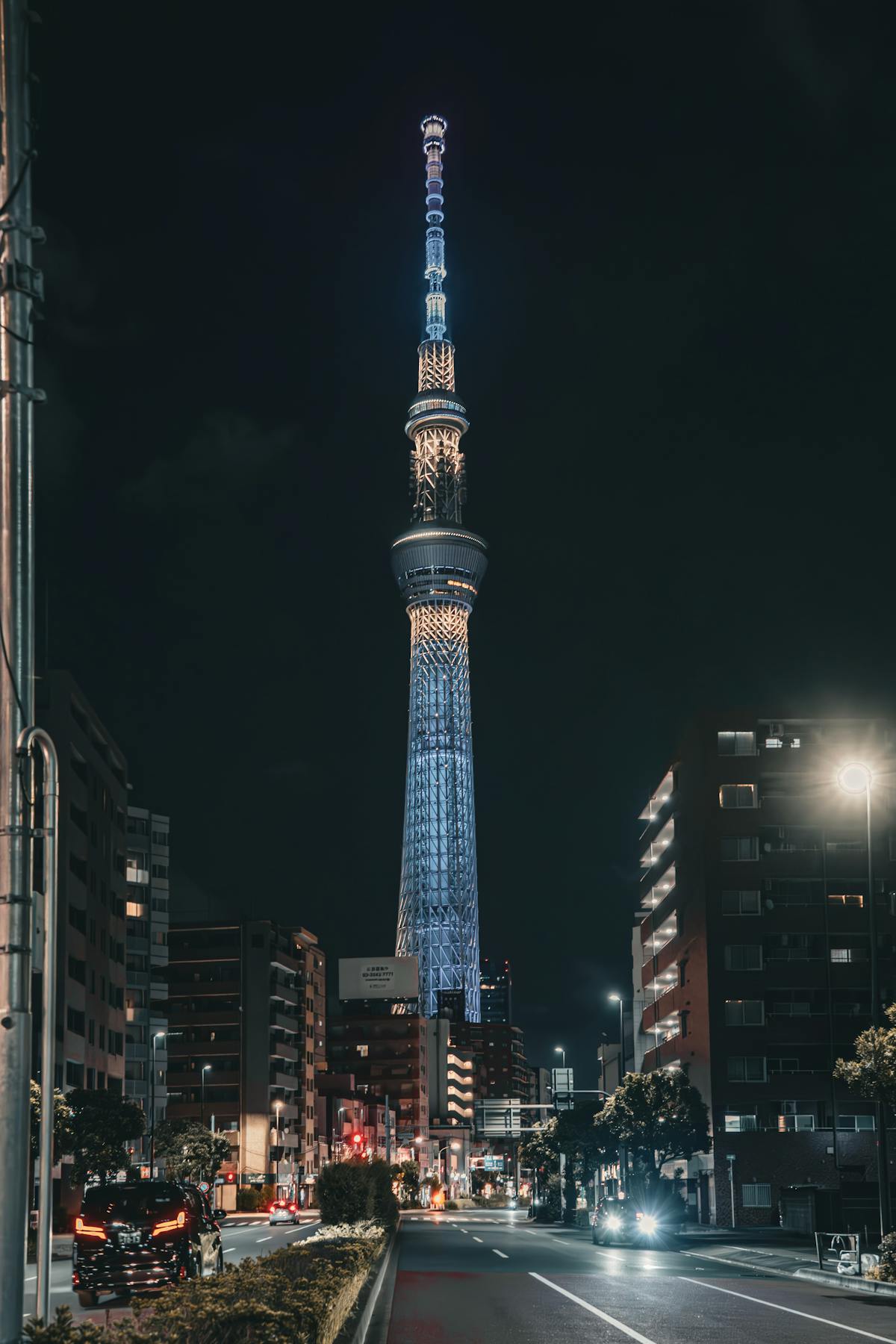
Tokyo Skytree Christmas illumination night view

Christmas in Tokyo isn't a religious holiday—it's a visual spectacle. And nowhere does that spectacle quite like Tokyo Skytree.

Every winter, Japan's tallest tower transforms into a 634-meter canvas for some of Tokyo's most impressive illuminations. The base complex hosts holiday markets. The observation decks offer winter views that can include Mount Fuji on clear days.

I've visited during the Christmas season multiple times and sent countless guests during the holidays. Here's what to actually expect from Tokyo Skytree Christmas.

When Is Christmas Season at Skytree?

Tokyo Skytree Christmas illuminations typically run from mid-November through December 25th, sometimes extending into early January for New Year celebrations.

Key dates for 2024-2025: - Illuminations start: Early to mid-November - Peak period: December 1-25 - Christmas markets: Typically late November through December 25 - New Year illuminations: December 26 - early January (different theme)

The exact schedule varies yearly. Check the official Skytree website closer to your visit for confirmed dates.

Best Times to Visit

Weekday evenings: Fewer crowds, full illumination experience. Arrive around 4:30-5:00 PM to catch the lights turning on at dusk.

Weekend evenings: Crowded but festive atmosphere. Expect longer waits for everything.

Avoid: Weekend afternoons leading into evening, December 23-25 (extremely crowded), and any evening right after work hours (6-7 PM rush).

The Christmas Illuminations

The Tower Itself

Tokyo Skytree's exterior lighting changes seasonally. During Christmas, expect:

Special color schemes: The tower typically alternates between "Iki" (light blue, representing the Edo spirit) and "Miyabi" (purple, representing elegance). During Christmas, special holiday colors join the rotation—often warm whites, golds, and reds.

Projection mapping: Some years feature projection shows on the tower base. These aren't guaranteed annually but are spectacular when they happen.

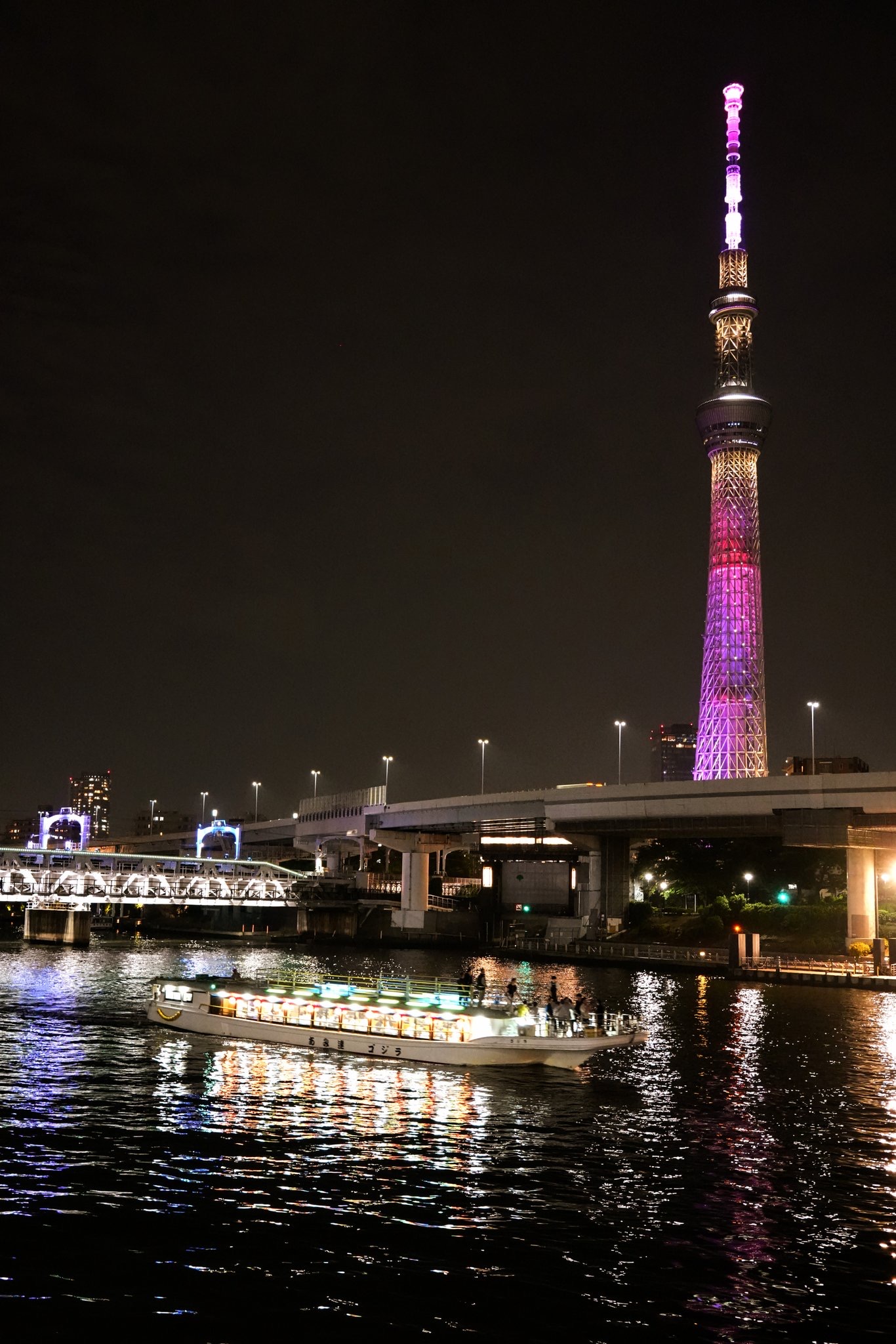
Best viewing spots: The Sumida River banks, Jikken Bridge, and the open plaza at Tokyo Skytree Town offer good angles. The tower looks particularly stunning reflected in the river on calm nights.

Solamachi Christmas Decorations

The shopping complex at Skytree's base goes all-in on holiday decorations.

Main Christmas tree: A large illuminated tree typically occupies the central plaza area. Design changes yearly—past versions have included projection-mapped trees and interactive light displays.

Indoor decorations: The mall corridors fill with lights, wreaths, and themed displays. Photo spots appear throughout.

Seasonal shop displays: Individual stores add holiday touches, creating an overall festive atmosphere even during daytime visits.

The decorations aren't subtle. This is Tokyo doing Christmas as visual entertainment, and Skytree leans into that fully.

The Christmas Markets

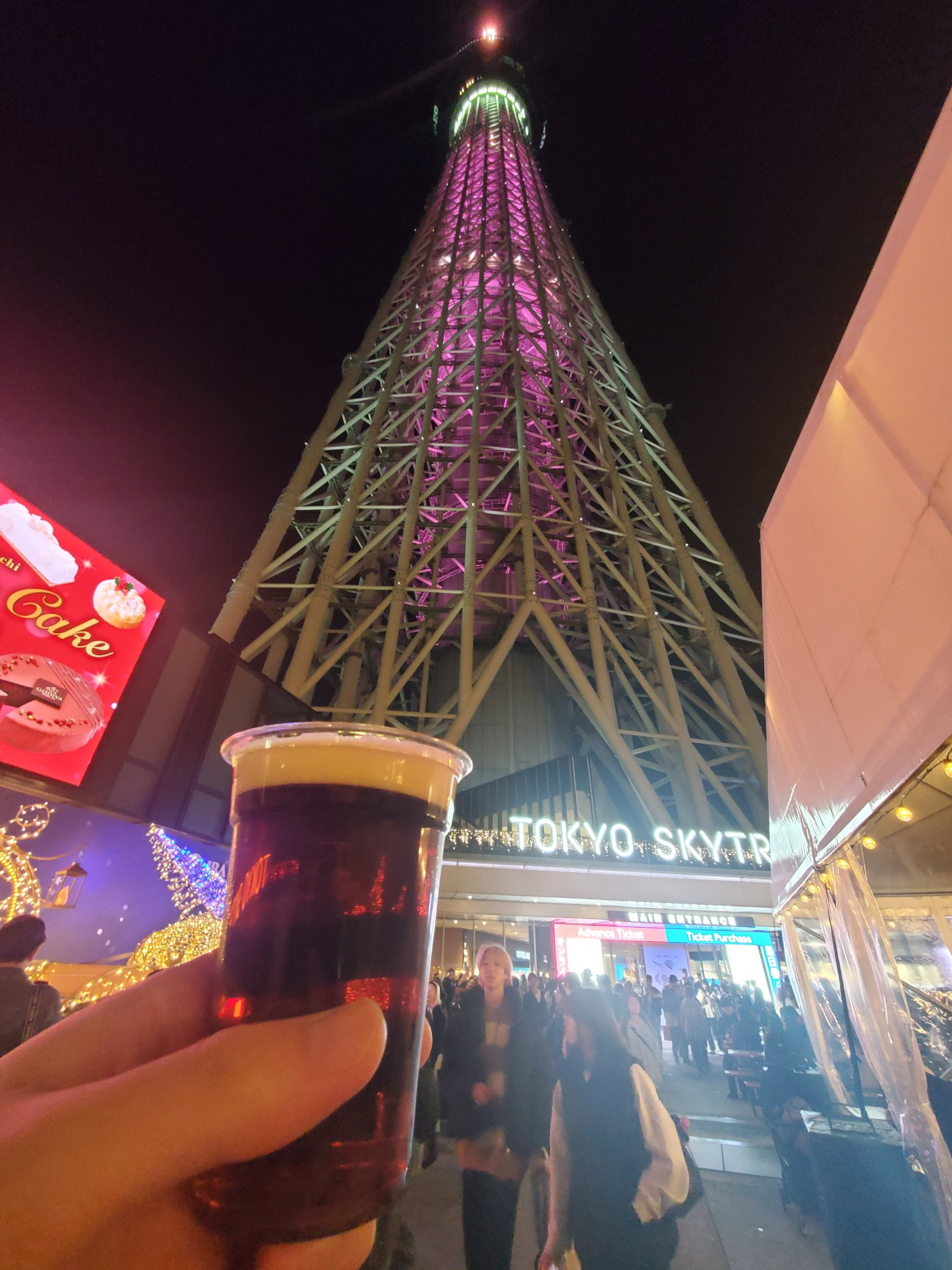
Tokyo Skytree Christmas market with gluhwein and holiday illuminations

Tokyo Skytree Town hosts Christmas markets during the holiday season, typically in the outdoor plaza areas.

What to Expect

Food and drinks: Gluhwein (hot mulled wine), hot chocolate, roasted nuts, German-style sausages, and various holiday snacks. Prices run higher than regular food courts—expect 500-800 yen for drinks and 600-1,200 yen for food items.

Craft stalls: Handmade ornaments, candles, accessories, and holiday gifts. Quality varies. Some genuinely nice handcrafted items, some tourist trinkets.

Atmosphere: Wooden stall structures, string lights, holiday music. The European Christmas market vibe translated through a Japanese lens.

Reality Check

These aren't the sprawling Christmas markets you'd find in Germany or Austria. Tokyo Skytree Christmas markets are smaller, more curated, and more crowded per square meter.

They're enjoyable for the atmosphere and a hot drink, but don't expect to spend hours browsing endless stalls.

The best markets rotate between Roppongi Hills, Hibiya, and Yokohama Red Brick Warehouse. If Christmas markets are your priority, consider visiting multiple locations. Skytree's market is a pleasant addition to an observation deck visit, not a destination on its own.

The Observation Deck Experience

Winter Views

Clear winter days offer the best observation deck views of the year.

Why winter works: Cold, dry air means less haze. December through February provides the clearest visibility. On exceptional days, you can see Mount Fuji clearly, the Tanzawa mountains, and even the Japan Alps in the far distance.

The catch: "Clear days" happen maybe 30-40 times per year, mostly in winter. But winter also brings more overcast days. Check weather forecasts carefully before committing to tickets.

Sunset magic: Winter sunsets hit earlier (around 4:30-5:00 PM in December), creating beautiful golden hour viewing. The transition from daylight to city lights is particularly striking when you can see far.

Christmas-Themed Deck Decorations

The observation decks add holiday touches during the Christmas season:

  • Decorated photo spots
  • Seasonal displays
  • Sometimes special Christmas-themed cafe menus
  • Holiday music in the background

These additions are pleasant but not transformative. You're primarily there for the view.

Ticket Considerations

Tokyo Skytree Christmas season is peak visitor time. Plan accordingly:

Buy advance tickets: Saves money (200-400 yen) and guarantees your time slot. Same-day tickets may sell out or limit you to inconvenient times.

Book sunset slots early: The 4:00-6:00 PM windows during Christmas season fill up fast. Book 1-2 weeks ahead for weekends, several days ahead for weekdays.

Pricing reminder: - Tembo Deck (350m): ~1,800 yen advance, ~2,100 yen same-day - Tembo Deck + Galleria (450m): ~3,100 yen advance, ~3,400 yen same-day

Weekend and holiday rates run slightly higher.

A Suggested Tokyo Skytree Christmas Itinerary

Here's how I'd structure a half-day visit during the Christmas season:

3:30 PM: Arrive at Solamachi. Browse the Christmas decorations and shops. Warm up with a drink from the food court if needed.

4:30 PM: Enter observation deck (pre-booked slot). Watch the daylight views first, then the city light transition as the sun sets.

5:30-6:00 PM: Descend from observation deck. The tower illuminations should be active.

6:00-7:00 PM: Explore the Christmas market. Get some gluhwein, browse the stalls, take photos of the illuminated tower.

7:00-7:30 PM: Dinner at Solamachi or a nearby restaurant.

This timing catches sunset from the observation deck and gives you the full illumination experience on the ground afterward.

Getting to Skytree for Christmas

From Kanamachi

The trip takes about 25-30 minutes and works well for evening visits:

Route: JR Joban Line from Kanamachi to Kita-Senju (10 minutes), transfer to Tokyo Metro Hanzomon Line direct to Oshiage Station (15 minutes). Skytree connects directly to the station.

Cost: Around 300-400 yen each way.

Last trains: Service runs until around 11:30 PM. Check return times if you're staying late for illuminations.

The Eastern Tokyo Advantage

Tokyo Skytree illuminated at night view from Sumida River

If you're staying in eastern Tokyo, you're approaching Skytree from nearby rather than crossing the entire city. The commute is shorter, you travel against rush-hour traffic, and you can easily return for evening illuminations without an exhausting transit journey.

Combining with Asakusa

Tokyo Skytree Christmas visits pair naturally with Asakusa, just 20 minutes away on foot along the Sumida River.

Option A: Temple First

  • 3:00 PM: Quick visit to Sensoji Temple
  • 4:00 PM: Walk along Sumida River toward Skytree (good photo angles)
  • 4:30 PM: Skytree observation deck for sunset
  • 6:00 PM: Christmas market and illuminations

Option B: Skytree First

  • 4:30 PM: Skytree observation deck for sunset
  • 6:00 PM: Tower illumination viewing and Christmas market
  • 7:30 PM: Walk to Asakusa for dinner
  • 8:30 PM: See Sensoji's evening illumination (temple grounds lit until 11 PM)

Option B gives you the best of both seasonal experiences: Skytree Christmas lights and Sensoji's atmospheric evening illumination.

For detailed Sensoji information, see our complete temple guide.

What Makes It Worth It

Go If...

  • You're visiting Tokyo during Christmas season anyway
  • Clear weather is forecast
  • You enjoy holiday illuminations and festive atmosphere
  • You want sunset views from Japan's tallest tower
  • You're combining with Asakusa for a half-day eastern Tokyo itinerary

Skip If...

  • Weather is overcast or rainy (views will disappoint)
  • You're not interested in Christmas decorations
  • Crowds stress you out (especially December 23-25)
  • You've already visited Skytree and aren't drawn to seasonal variations

The Honest Take

Tokyo Skytree Christmas is a well-executed tourist experience. The illuminations are beautiful, the views can be spectacular, and the festive atmosphere is genuine.

But it's also crowded, somewhat expensive, and dependent on weather. The Christmas market is nice but small. The observation deck is the same observation deck, just with some holiday decorations added.

If clear weather aligns with your dates and you enjoy holiday lights, absolutely go. It's a memorable Tokyo winter experience.

If weather is questionable or Christmas decorations aren't your thing, the regular Skytree visit works just as well—or better, with smaller crowds.

From Our Place

Tokyo Skytree Christmas works well as an evening trip from Kanamachi. The 25-30 minute commute is easy, and you're traveling against rush hour crowds for evening visits.

I often suggest guests time their visit with weather forecasts. A clear December evening at Skytree, watching sunset paint Tokyo gold while Mount Fuji appears in the distance, then descending to warm Christmas lights and hot drinks—that's a genuinely special experience. If you're looking for a quiet base in eastern Tokyo during the holiday season, Bon House is designed for exactly this kind of stay.

Check conditions before booking tickets. And if you want to combine it with Asakusa, see our Sensoji guide for the temple logistics.

For our complete Skytree breakdown including pricing details and year-round tips, see Tokyo Skytree: Is It Worth It.

Questions about timing or weather for your specific dates? Just ask. I track conditions regularly.

Frequently Asked Questions

When do Tokyo Skytree Christmas illuminations start?

Tokyo Skytree Christmas illuminations typically begin in mid-November and run through December 25th, sometimes extending into early January with New Year themes. The exact dates vary yearly—check the official website closer to your visit for confirmed schedules.

How crowded is Tokyo Skytree during Christmas?

Very crowded, especially on weekends and December 23-25. Weekday evenings are manageable. Book observation deck tickets in advance (especially sunset time slots) and arrive early for Christmas market browsing. The crowds are part of the festive atmosphere, but expect lines and jostling for photo spots.

Can you see Mount Fuji from Tokyo Skytree in winter?

Yes, winter offers the best chances. Cold, dry December-February air provides the clearest visibility. On exceptional days, Fuji appears sharply to the west. However, "clear days" only happen 30-40 times per year. Check weather forecasts before booking—overcast days mean paying premium prices to see gray clouds.


Bon House에 묵어보시겠어요?

도쿄 중심부에서 편안하고 편리한 숙박을 경험하세요

객실 보기

이 기사 공유