
Is Tokyo Skytree Worth It? 2026 Tickets, Timing & Tips
By Atsushi — host at Bon House in Kanamachi, Katsushika ward. I've run Bon House since 2022 and hosted 300+ guest groups.
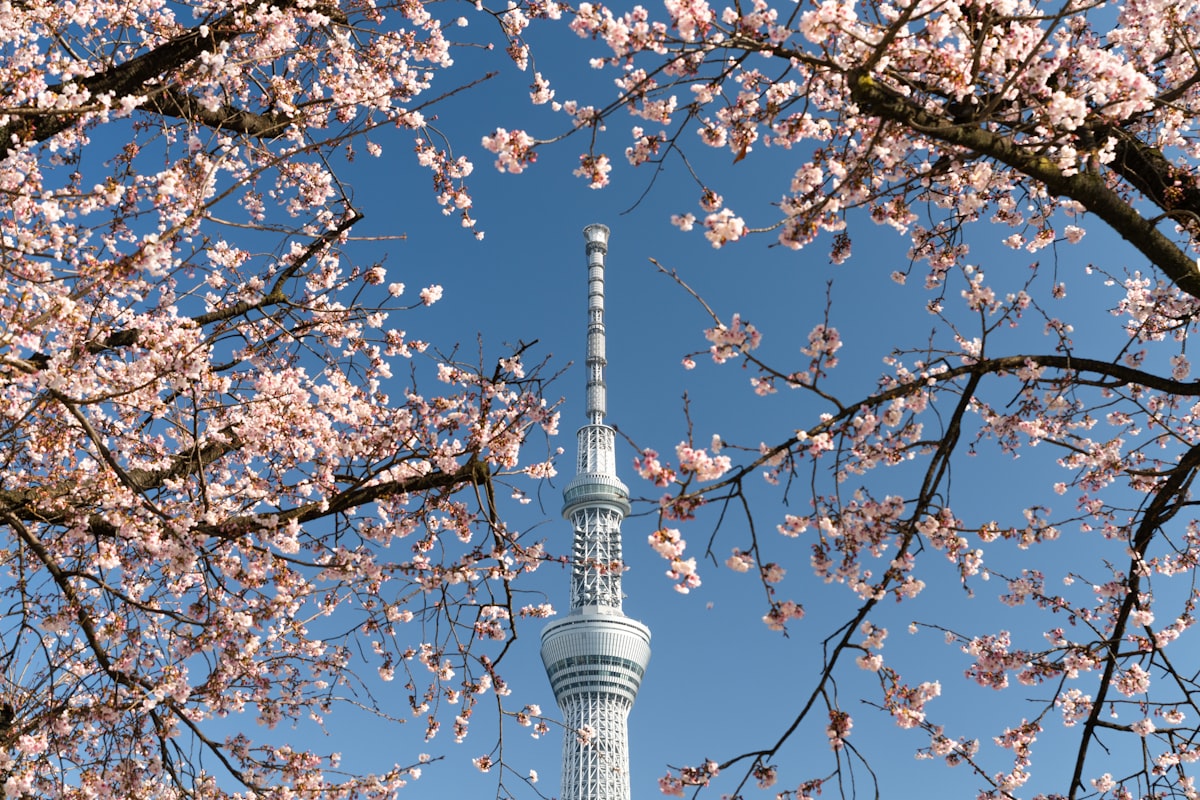
Tokyo Skytree is worth it on the kind of day Tokyo gets about 20 times each December and January, when the Tokyo government's own records show Mount Fuji visible from the city, and rarely worth it in summer, when that count drops to 2 or 3 days a month.
The cheapest way up is a Tembo Deck ticket from 1,800 yen online. Add the higher Tembo Galleria and you pay from 3,000 yen. Buy at the counter on the day and each ticket costs 500 yen more.
Bon House is about 30 minutes from Skytree by train, so my advice to guests is always the same: look out the window in the morning, then decide. Here is how to make that call yourself.
Is Tokyo Skytree Worth It? The Quick Answer
Go if: the forecast is clear and dry, you can be there in the hour before sunset, and you like big views. On a winter evening you can watch the sun drop behind Mount Fuji.
Skip if: the sky is hazy or overcast, it's June to August, or observation decks bore you. You'll pay 1,800 yen or more to look at gray.
Not sure? Book only the Tembo Deck online. If the view from 350 meters is sharp, add the Galleria on the spot. If it isn't, you haven't paid for the upgrade.
| Option | Height | Adult, 2026 | Go if |
|---|---|---|---|
| Tembo Deck | 350m | from 1,800 yen | Clear day, first Tokyo trip |
| Deck + Galleria | 350m + 450m | from 3,000 yen | Very clear winter day |
| Shibuya Sky | about 230m, open-air | 2,700-3,400 yen | You want a rooftop, staying west |
All prices are for adults booking online. Skytree uses date-based pricing, so weekends, holidays and sunset slots usually run higher than the "from" price.
Tembo Deck vs Tembo Galleria: Which Skytree Deck to Pick
Tembo Deck (350 meters)
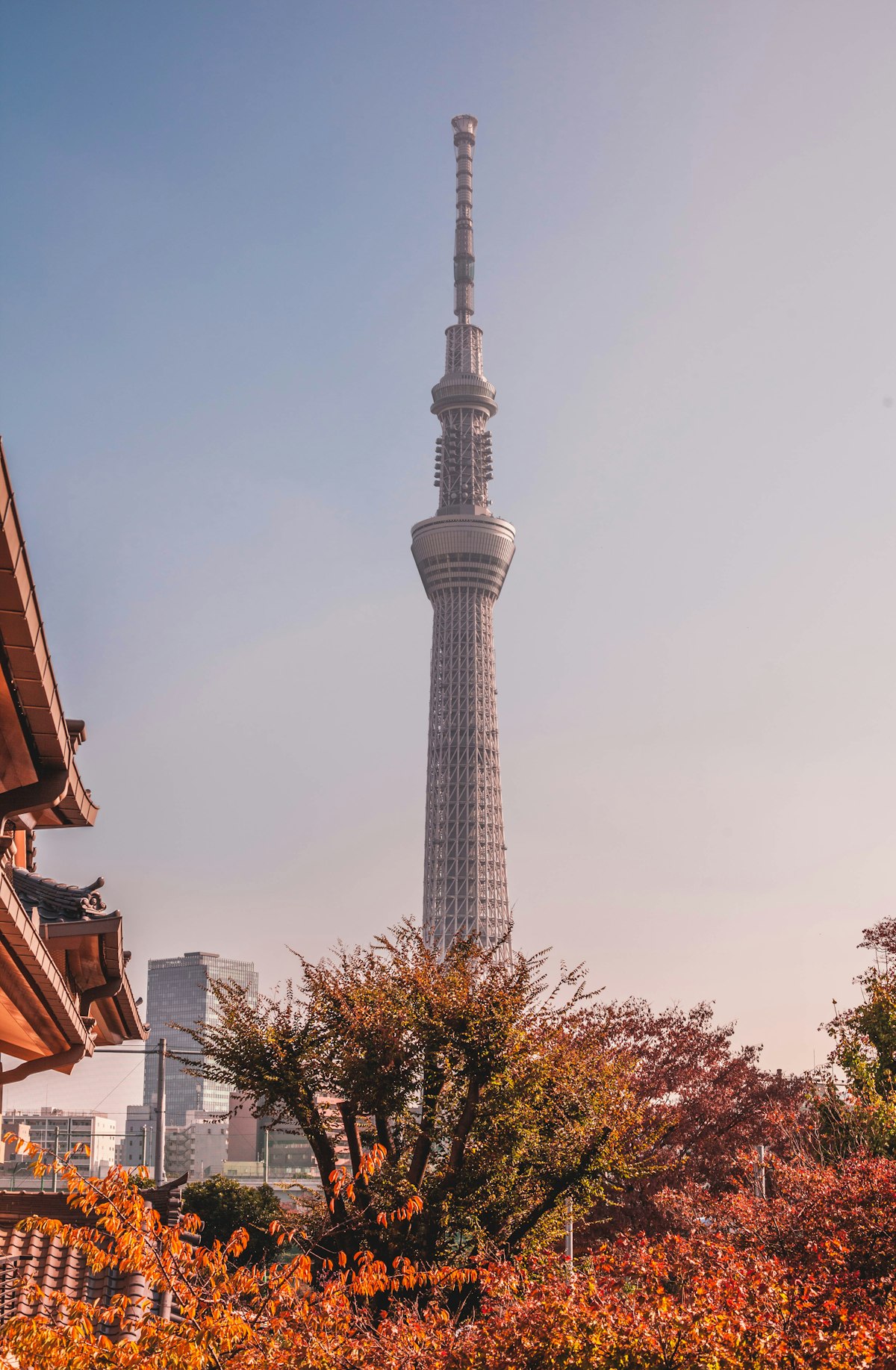
This is the main observation deck, spread over three floors. Floor-to-ceiling windows run all the way around, so you get a full 360-degree view of Tokyo.
What you'll see: - Tokyo spreading out to the horizon in every direction - Mount Fuji on clear days (look west) - The Sumida River winding below - Tokyo Tower in the distance - Planes lining up for Haneda Airport
One section has glass floor panels so you can look straight down. It's more gimmick than terror, and kids love it.
There is a cafe and a souvenir shop on the deck. Prices are tourist-level but not outrageous.
Tembo Galleria (450 meters)
The higher deck is reached by a separate elevator from the Tembo Deck. It's a glass-walled ramp that spirals up to 450 meters.
Is the upgrade worth it? Only on a very clear day. You're 100 meters higher, but Tokyo already looks tiny from 350 meters. The real draw is standing at the highest point you can reach.
The Galleria is narrow and feels cramped when busy. On a hazy day you're paying extra to see the same fog from slightly higher.
Extra cost: from 1,200 yen more if you buy the combo online, or 1,400 yen if you add it on the day at the ticket machines inside the Tembo Deck. On busy days the add-on can be suspended when the Galleria is full.
My call: Tembo Deck alone is enough for most people. I'd only go higher on a crisp winter day when Fuji is out.
Tokyo Skytree Ticket Prices for 2026 and How to Save
| Ticket (adult) | Online, from | 4F counter on the day |
|---|---|---|
| Tembo Deck | 1,800 yen | +500 yen fee |
| Deck + Galleria | 3,000 yen | +500 yen fee |
| Galleria add-on | n/a | 1,400 yen |
The "from" prices are the cheapest dates. Weekends, holidays and popular time slots cost more, so check the price for your exact day on the official site before you go.
How to Save on Skytree Tickets
Buy online, not at the counter: tickets bought at the 4th-floor counter or ticket machines carry a 500 yen service fee each. For a family of four, that's 2,000 yen gone for nothing. Booking online also fixes your entry time.
Go on a weekday: cheaper prices and shorter lines. The deck is noticeably calmer too.
Decide on the Galleria at the top: the add-on costs 200 yen more than buying the combo upfront, but you only pay it if the view earns it.
Compare resellers before you buy: Klook and similar sites sometimes bundle Skytree with Sumida Aquarium or transport passes. Check the bundle against the official price for your date; it isn't always cheaper.
Fast-track tickets: Skytree sells a pricier fast-entry ticket for overseas visitors. On a weekday the regular line rarely justifies it. On a holiday weekend it can.
Best Time to Visit Tokyo Skytree for Clear Views
Weather Decides Everything
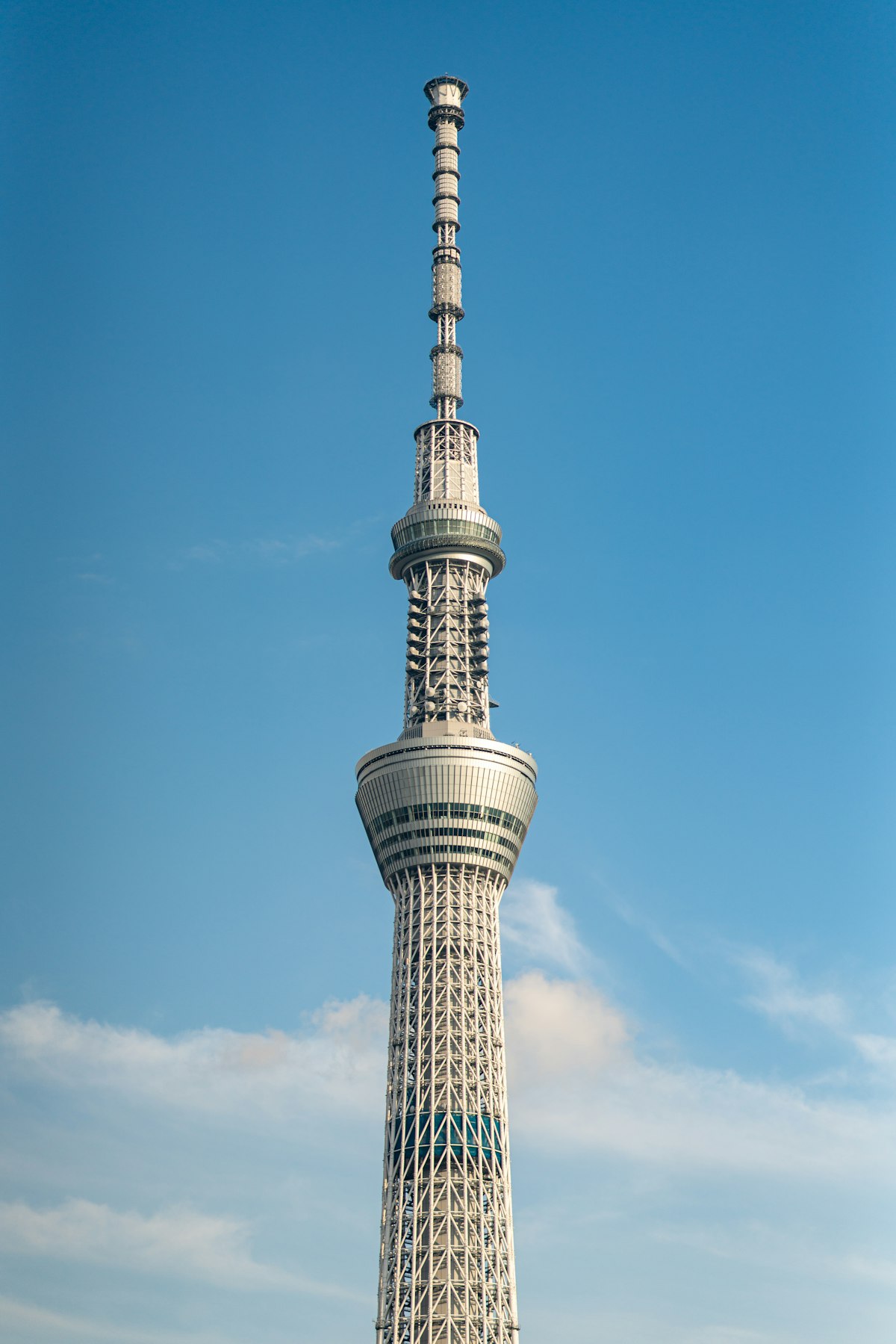
Check the forecast before you book. You want: - Low humidity, because humidity is what turns into haze - Clear or partly cloudy skies - A dry day after rain or wind, which often clears the air
Best months: December through February. Cold, dry air gives the sharpest views, and that's when Fuji shows up most.
Worst months: June through August. Humidity hangs over the city and buildings fade into gray within a few kilometers.
Time of Day
The hour before sunset is the sweet spot. You get the daylight view, watch the sky change, then see Tokyo light up.
Book a slot 30-60 minutes before sunset. In mid-winter that means around 4:00 PM; in summer, closer to 6:00 PM. These slots are the first to sell out, so book them in advance.
Clear mornings are the other good window, especially for Fuji, which is often sharpest in early light before the haze builds.
Night-only visits skip the daytime view, but the lights running to the horizon are still impressive.
Day of Week
Weekdays: shorter lines, lower prices, more room at the windows.
Weekends and holidays: crowded. Expect lines and a fight for window space.
Getting to Tokyo Skytree from Kanamachi in About 30 Minutes
Fastest route (about 32 minutes, 387 yen by IC card): take the JR Joban Line (local) from Kanamachi toward Ayase. The train continues onto the Tokyo Metro Chiyoda Line at Ayase; stay on and get off at Kita-Senju. There, change to the Tobu Skytree Line. Local trains bound for Asakusa stop at Tokyo Skytree Station, and trains running through to the Hanzomon Line stop at Oshiage. Skytree is connected to both stations.
Cheapest route (about 199 yen by IC card): Keisei Kanamachi Line from Keisei Kanamachi to Keisei Takasago, then the Keisei Oshiage Line to Oshiage. It costs about half as much but runs less often, so the trip usually takes around 40 minutes. Check the timetable before you leave.
Being this close matters for an attraction where the weather decides everything. From Kanamachi you can look at the sky over breakfast and go that afternoon, instead of locking in a date from across the city.
A Typical Clear-Day Skytree Plan from Kanamachi
Here's how it usually goes for a couple staying in Kanamachi in January, when the air is driest. Check the forecast over breakfast. If the day looks clear, buy two Tembo Deck tickets online (from 1,800 yen each) for a 4:00 PM slot, about an hour before a mid-January sunset, which falls just before 5 PM.
Leave Kanamachi around 3:15 PM, change at Kita-Senju, and you're at Skytree around 3:50 PM. Watch the city go from daylight to sunset to lights, eat at Solamachi Tabe-Terrace, the 3rd-floor food court, and be back in Kanamachi about 30 minutes later. Two deck tickets plus four JR and Tobu train rides come to about 5,150 yen for the pair.
If the forecast says haze, they go another day. Being this close is what makes that easy.
If you want a quiet base that keeps Skytree and Asakusa this close without central-Tokyo prices, take a look at the rooms at Bon House and check your dates.
Tokyo Skytree Town: Solamachi Food Court and Sumida Aquarium
The base of Skytree is Tokyo Solamachi, a large shopping and dining complex. You'll pass through it either way, so it's worth knowing what's there.
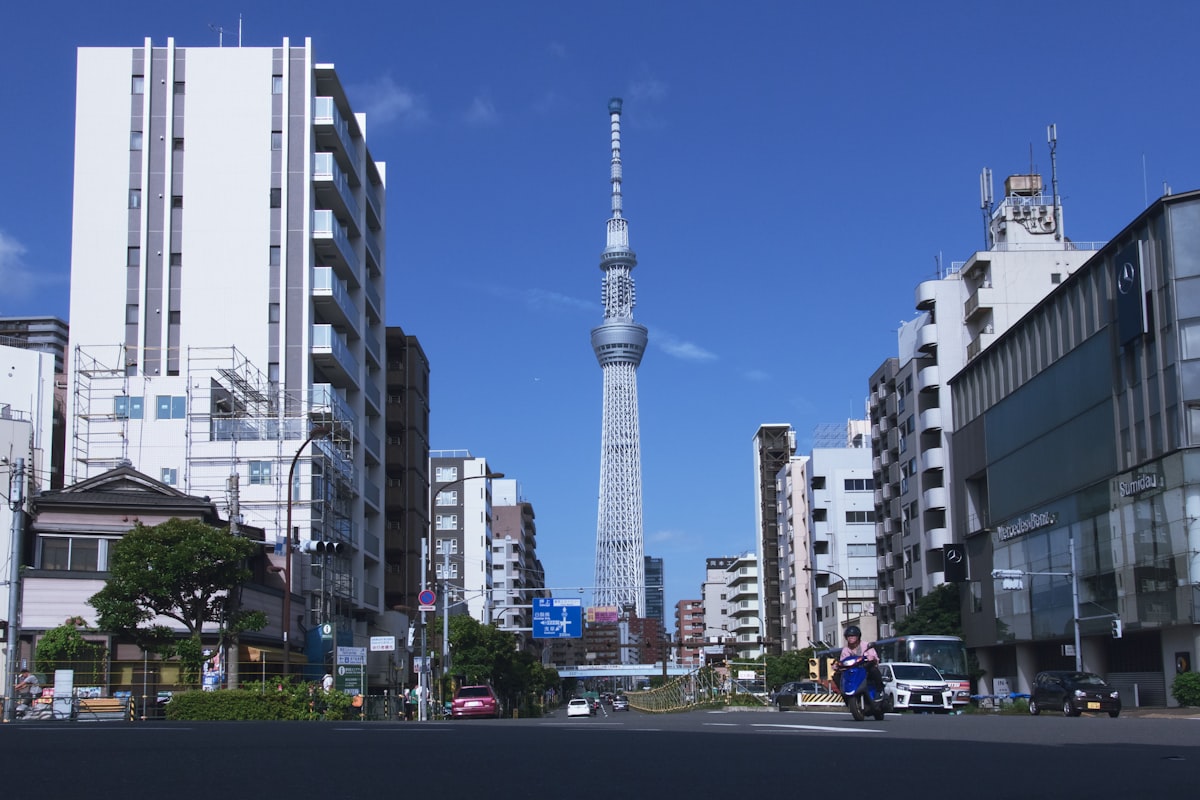
Worth your time: - Solamachi Tabe-Terrace, the food court on the 3rd floor of the West Yard - Pokémon Center Skytree Town on the 4th floor of the East Yard, if you have kids or are a fan - Traditional Japanese craft shops mixed in with the modern retail
Sumida Aquarium is in the same complex: small but well designed, and a good backup for families on a rainy day.
Skip: most of the generic mall stores unless you need something specific.
You can easily spend 1-2 hours in Solamachi before or after the deck. The food court beats the pricier cafe upstairs.
Half-Day Skytree and Asakusa Itinerary
Skytree and Sensoji are a 20-minute walk apart, across the Sumida River Walk footbridge. Here's how I'd combine them:
Option A: Morning temple, late-morning tower
- 7:00-9:00 AM: Sensoji Temple before the crowds
- 9:00-10:00 AM: Breakfast in Asakusa
- 10:00-10:30 AM: Walk across the river to Skytree
- 10:30 AM-12:00 PM: Skytree, then lunch in Solamachi
Option B: Sunset tower, evening temple (winter timing)
- 3:30-5:00 PM: Skytree through sunset
- 5:00-5:30 PM: Walk to Asakusa over the river
- 5:30-7:30 PM: Sensoji lit up after dark, then dinner
In summer, shift Option B about two hours later. Sensoji's main hall closes at 5 PM, but the grounds stay open and are lit up after dark.
I prefer Option B. Sunset from Skytree followed by Sensoji under lights is the better pair of photos. Pick Option A if you want the temple without crowds.
For the full temple breakdown, see our Sensoji guide.
Tokyo Skytree vs Shibuya Sky: Which Is Worth It?
Shibuya Sky is the deck many first-time visitors compare Skytree with. Here's how they differ:
Skytree advantages: - Much higher decks (350m and 450m vs about 230m) - Cheaper: from 1,800 yen vs 2,700-3,400 yen for Shibuya Sky online - Easy from eastern Tokyo, including Kanamachi - Pairs naturally with Asakusa on the same day
Shibuya Sky advantages: - Open-air rooftop (Skytree is enclosed glass) - Shibuya Crossing directly below - Closer if you're staying in Shinjuku or Shibuya
My call: if you're staying in eastern Tokyo, Skytree makes more sense. Shibuya Sky means crossing the whole city, and entry from 3 PM costs 3,400 yen.
Most visitors only need one deck. Skytree for height and the widest panorama, Shibuya Sky for open air and the crossing.
Tokyo Skytree Verdict: Who Should Go and Who Should Skip
Who Should Go
- First-time Tokyo visitors: it shows you how big the city is in one look
- Visitors with a clear winter day: check the forecast, then book
- Photographers: the sunset slot is the reason to come
- Families: glass floor, Pokémon Center and the aquarium in one building
Who Should Skip
- Tight budgets: 1,800-3,000 yen per person adds up fast for a family
- Anyone arriving on a hazy day: don't pay to look at gray
- People uneasy with heights: the glass floor and the drop aren't for everyone
- "Seen one tower, seen them all" types: if decks bore you, this won't change your mind
Skytree is impressive but not essential. Unlike Sensoji, which is free and centuries old, it's a modern attraction with a real entry fee. On a clear evening, watching the city turn gold with Fuji on the horizon is worth every yen. On a hazy summer Tuesday, it's an expensive disappointment.
Staying Near Tokyo Skytree: Kanamachi as Your Base
From Kanamachi, Skytree is one change of train away, and it pairs with Sensoji Temple for an easy half-day in the Asakusa and Sumida area.
For more ideas, see our day trips from Kanamachi guide, and for general tips on getting around, our first-time Tokyo travel tips.
Planning a Skytree day as part of your trip? Check availability at Bon House and send me your dates. During your stay I'll tell you which mornings look clear enough to go.
Tokyo Skytree FAQ
How long does a Tokyo Skytree visit take?
Allow 1-2 hours for the decks, more if you explore Solamachi below. The Tembo Deck alone takes 30-45 minutes unless you're waiting for sunset.
What are Tokyo Skytree's opening hours?
As of 2026, 10:00 AM to 10:00 PM on weekdays and 9:00 AM to 10:00 PM on weekends and holidays, with last entry at 9:00 PM. Hours change for some seasons and events, so check the official site for your date.
Is there a free alternative to Tokyo Skytree?
Yes. The Tokyo Metropolitan Government Building in Shinjuku has a free observation deck at 202 meters. It's lower and the windows are less clear, but it costs nothing. If you're staying in eastern Tokyo, the free view of Skytree itself from the Sumida riverbank is also a good consolation on a hazy day.