
Is Kanamachi a Good Place to Stay in Tokyo? Honest Pros & Cons
Kanamachi Tokyo Stay: Is This Neighborhood Right for You?
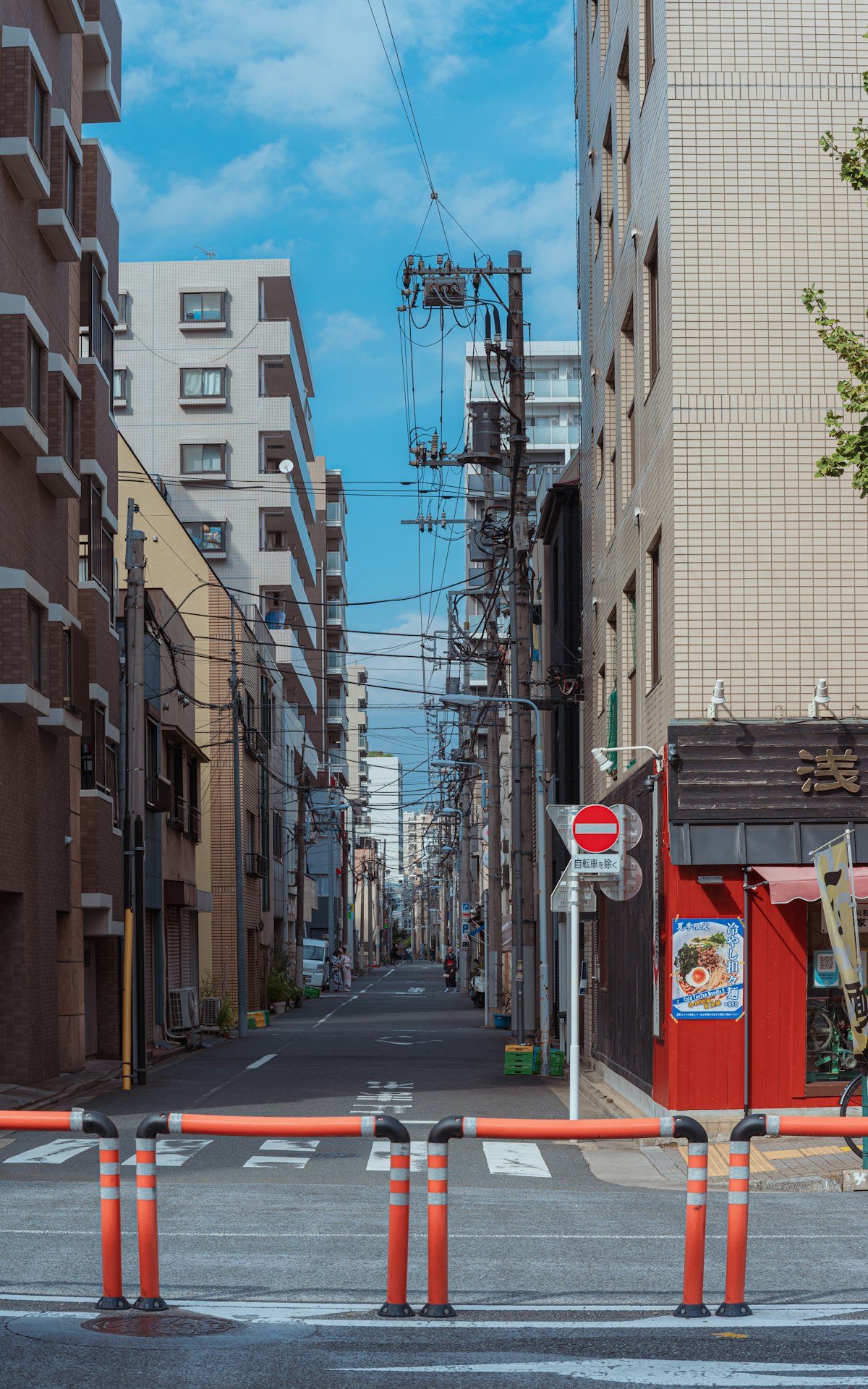
I live in Kanamachi and host international guests here every week. Let me be upfront: Kanamachi isn't for everyone. If your Tokyo checklist is Shibuya Crossing selfies, Harajuku shopping, and club hopping until 4am, this isn't your neighborhood. Book something in Shinjuku and you'll be happier.
Still reading? Good. Let me explain who actually does well here.
Quick Verdict
Stay in Kanamachi if: - You want lower prices and more space - You're staying 5+ nights - You don't need nightlife - You're visiting Disney or Narita area
Avoid Kanamachi if: - You want to walk everywhere - You plan late-night outings - You need English-speaking areas
Where Is It?
Kanamachi sits in Katsushika ward, about 30 minutes northeast of central Tokyo by train. The Edogawa River forms the eastern boundary. Population around the station is roughly 50,000—mostly Japanese families, not tourists.
The neighborhood centers on Kanamachi Station, served by the JR Joban Line and connected to the Keisei railway network. Two stations for redundancy, which matters when typhoons mess with train schedules.
The Real Advantages
You'll Save Money
I'll give actual numbers instead of vague claims.
Comparable accommodation costs: - Kanamachi area: 8,000-15,000 yen per night - Shinjuku: 18,000-35,000 yen per night - Shibuya: 20,000-40,000 yen per night
For a week-long stay, that difference adds up to 50,000-100,000 yen. That's enough to cover multiple nice meals, extra activities, or souvenirs.
It's Actually Quiet
Streets empty by 10pm. Morning sounds are birds, not traffic. Vacation rentals tend to have larger floor plans because property values are lower.
Guests with kids particularly appreciate this. Children can move around without constant shushing. Nobody's banging on the wall at 9pm because your toddler is being a toddler.
Airport Access Is Surprisingly Good
Narita Airport: 55-60 minutes via Keisei Line from Keisei Takasago (one station away) Haneda Airport: 75-85 minutes via connections through central Tokyo
For Narita especially, we're actually better positioned than western Tokyo locations. Shinjuku to Narita takes 80-90 minutes. From here, it's less.
You're Near Things Most Tourists Miss
Shibamata is 10 minutes away—traditional temple town with an Edo-period atmosphere. Tokyo Disneyland is 45-50 minutes by train. Mizumoto Park, Tokyo's largest park, is 15 minutes by bus.
These aren't famous Instagram spots. They're places where Japanese people actually go. See our best day trips from Kanamachi for more ideas.
The Real Disadvantages
Everything Is Farther
Travel times from Kanamachi:
| Destination | Time |
|---|---|
| Shinjuku | 35-40 min |
| Shibuya | 40-45 min |
| Tokyo Station | 30-35 min |
| Asakusa | 25-30 min |
| Akihabara | 25 min |
If your trip focuses on western Tokyo attractions, you'll spend significant time on trains each day.
English Is Limited
English is limited in most local shops and restaurants. Menus come in Japanese only. Shop clerks assume you speak Japanese.
This is fine if you're comfortable with translation apps and pointing at things. It's frustrating if you expect to communicate easily.
I'm not exaggerating this. A guest once asked me to call a restaurant to make a reservation because they couldn't manage the Japanese phone conversation. That's the reality.
Nightlife Is Local Izakaya
The nightlife here consists of small Japanese pubs where locals unwind after work. No clubs. No late-night entertainment venues. Most places close by midnight.
Serious nightlife means commuting to Shinjuku or Shibuya, then figuring out late-night transport home. Last trains leave around 11:30pm. Taxis back cost 5,000-8,000 yen.
Restaurant Variety Is Limited
Excellent local Japanese food. Ramen, izakaya, family restaurants, convenience store meals.
But good Italian? Thai? Indian? You'll need to travel to other neighborhoods. Vegetarian and vegan options are particularly sparse.
Who Does Well Here
After hosting many guests, patterns emerge.
Families with children: The space matters. The quiet matters. Kids have room to be kids.
Repeat Tokyo visitors: They've done Shibuya and Senso-ji. They want to see what regular life looks like.
Longer stays (5+ nights): The cost savings justify learning the area. Short trips don't benefit as much.
Disney-focused trips: We're closer to Maihama than central Tokyo is.
Budget-conscious travelers: Those savings fund actual experiences instead of just fancier accommodation.
Narita arrivals/departures: Early flights or late arrivals are easier to manage from here.
Who Should Stay Elsewhere
First-timers with packed itineraries: If you're trying to see everything in four days, central location wins.
Nightlife priority: If you're staying out past midnight regularly, don't stay here.
English comfort needed: If language barriers will stress you out, stick to tourist areas.
Business travelers: Shinagawa, Tokyo Station, and Marunouchi are far. Don't commute daily.
One or two night stays: Not enough time to learn the neighborhood or benefit from savings.
Making It Work
If Kanamachi sounds right, here's what helps:
Download offline maps and Google Translate before arrival. The camera function reads Japanese menus.
Load an IC card with 3,000-5,000 yen. Train travel adds up, and you don't want to deal with ticket machines when tired.
Learn the last train times for wherever you're going. Set phone alarms if you lose track of time.
Accept that you'll order some mystery food. Point at what others are eating. Most surprises are pleasant.
My Honest Take
I tell guests straight up if I think central Tokyo would suit them better. There's no point in someone booking here, having a frustrating time, and leaving a bad review.
Kanamachi works beautifully for the right traveler. It works terribly for the wrong one. The difference is knowing what you actually want from your trip.
If you value authenticity over convenience, savings over proximity, and quiet over excitement, this place deserves consideration.
If you want everything walkable, English everywhere, and late-night options, Shinjuku exists for a reason.
No judgment either way. Just different priorities.
For a deeper look at the neighborhood itself, see why Kanamachi is special. If this will be your first Japan trip, our first-time Tokyo travel tips covers the practical stuff—IC cards, train navigation, and what to expect outside tourist zones.
Check our available rooms and booking policies if you think this might be a fit.
Frequently Asked Questions
Is Kanamachi a good area to stay in Tokyo?
For the right traveler, yes. Kanamachi works well for families, longer stays (5+ nights), repeat Tokyo visitors, and budget-conscious travelers. You'll save 50% or more on accommodation and experience authentic Japanese neighborhood life. It's not ideal for first-timers with packed itineraries or those prioritizing nightlife.
How far is Kanamachi from Tokyo attractions?
Shinjuku is 35-40 minutes, Shibuya 40-45 minutes, and Asakusa 25-30 minutes by train. Tokyo Disneyland is actually closer at 45-50 minutes. The eastern location means easier access to Narita Airport (55-60 minutes) than many central Tokyo locations.
Do people speak English in Kanamachi?
Very little. This is a residential neighborhood where restaurant menus are Japanese-only and shop clerks assume you speak Japanese. Translation apps and pointing work fine—most interactions are manageable. If language barriers stress you out, consider staying in tourist areas instead.