
Tokyo Neighborhoods: Why Kanamachi Is a Hidden Gem
Kanamachi Neighborhood Tokyo: Why This Hidden Gem Works for Travelers
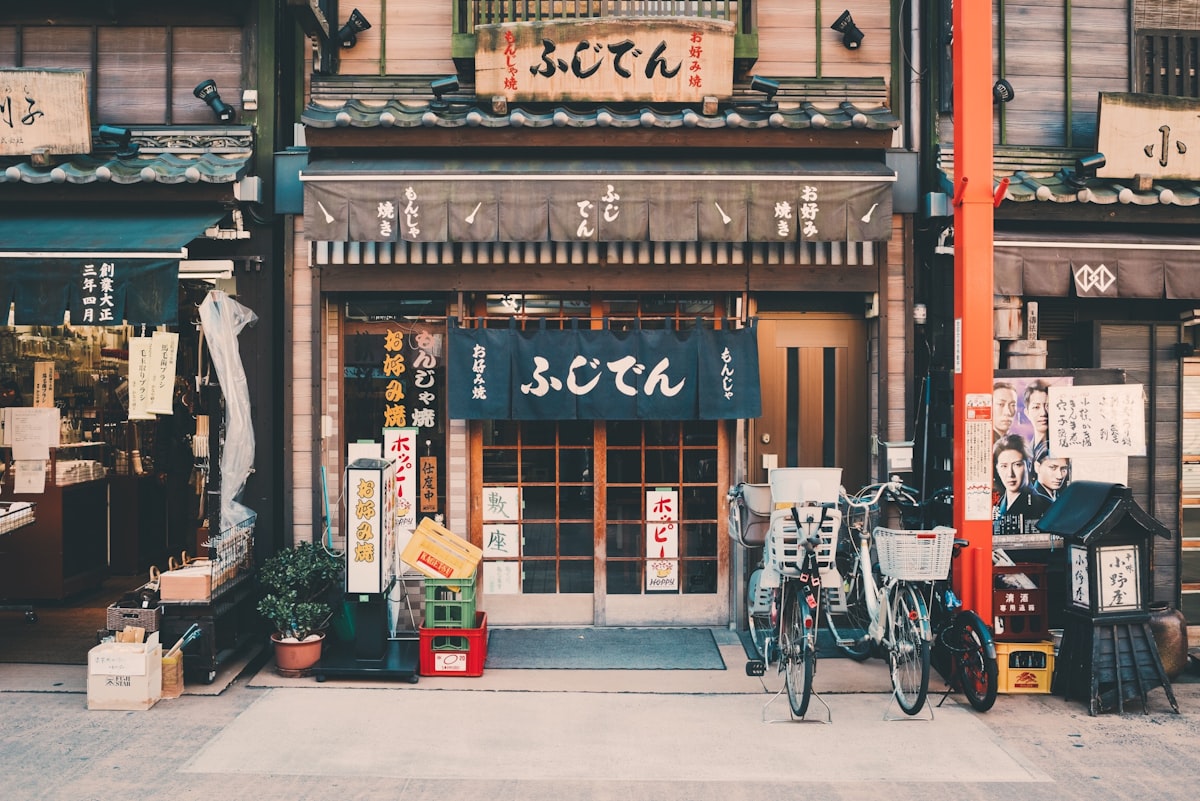
I moved to Kanamachi years ago for practical reasons: affordable rent, decent space, and a direct train line to central Tokyo. I wasn't expecting to fall in love with the neighborhood. But here I am, still here, now hosting guests who often tell me this was their favorite part of Tokyo.
Kanamachi isn't famous. It doesn't show up in guidebooks. Most travelers have never heard of it, and that's part of what makes it work.
Where Exactly Is This Place?
Kanamachi sits in Katsushika ward, the northeastern corner of Tokyo proper. The Edogawa River forms the eastern boundary, separating us from Chiba Prefecture. About 50,000 people live in the immediate station area—mostly families, retirees, and young professionals who got priced out of trendier neighborhoods.
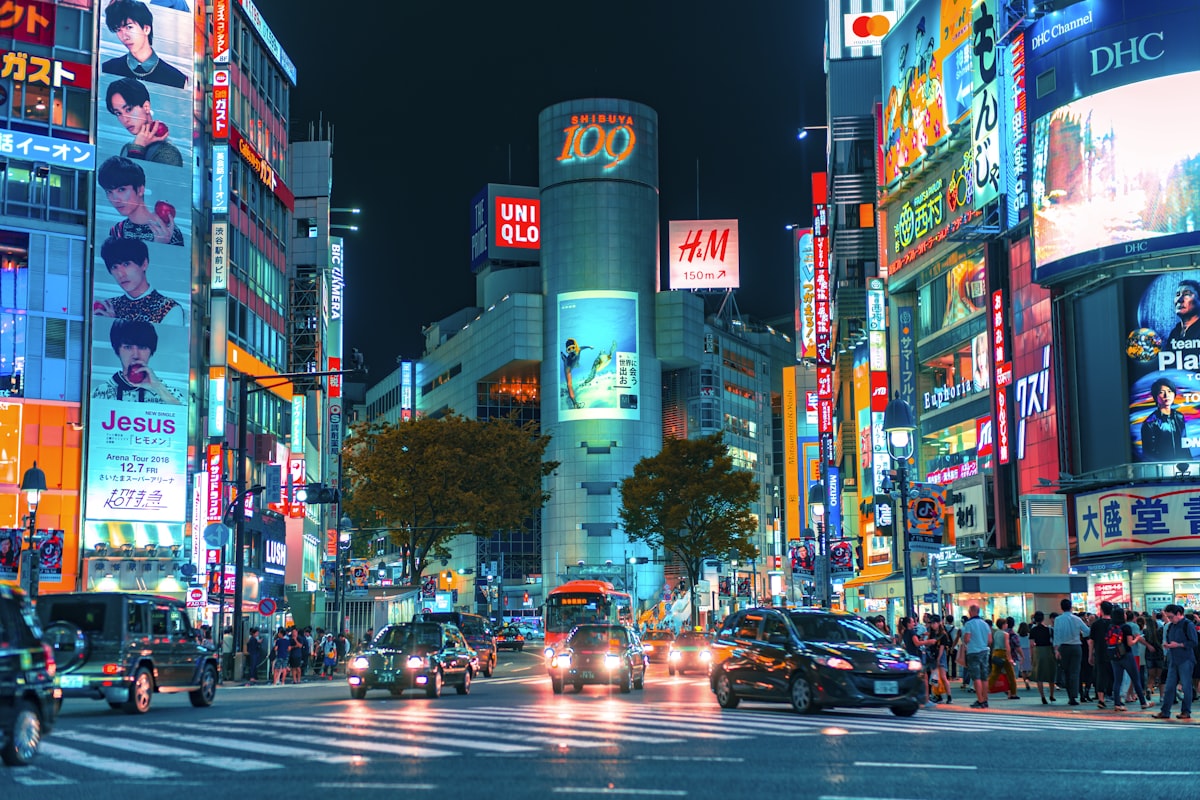
Tokyo has 23 special wards, each with its own character. The western wards (Shibuya, Shinjuku) are what tourists picture when they think of Tokyo. The eastern wards—including ours—are where regular people actually live. Different vibe entirely.
What Makes It Different
The Atmosphere
Walking around Kanamachi feels nothing like walking through Shinjuku. Streets are quieter. Shops cater to residents, not tourists. English signage is rare.
Local shopping streets (shotengai) line the station area. Family-run stores sell vegetables, fish, prepared foods. The merchants know their regulars by name. Guests often come back from their first walk around surprised—they expected Tokyo to be all neon and crowds.
Near the station, there's an izakaya called Akadori Yokocho, about a 5-minute walk out. They specialize in chicken dishes, and it's the kind of place where you'll be the only non-Japanese person there. That's pretty typical for restaurants in this area.
The Space
Tokyo's famous districts pack people densely. Buildings tower. The sense of compression is constant.
Kanamachi spreads out more. Buildings tend lower. The Edogawa River provides actual open space along the eastern edge. On clear days, you can see sky.
For travelers who've been crushed on rush-hour trains and shouldered through Shibuya Crossing, this spatial difference provides real relief.
The River
The Edogawa River defines the neighborhood's eastern edge. Walking and cycling paths line both banks—part of a 60km cycling route that runs from Saitama down to Tokyo Bay.
You can rent bikes at the Tora-san Museum in nearby Shibamata if you want to explore the paths. Morning joggers and evening walkers use them year-round. It's one of the few places in Tokyo where you get unobstructed sky views.
Cherry blossoms line sections of the riverbank in spring. Summer brings firework viewing spots. Even on regular days, it's nice for a walk.
Getting Around from Here
Kanamachi Station sits on the JR Joban Line. That gets you to: - Ueno in about 25 minutes - Nippori in 20 minutes (for Skyliner to Narita) - Tokyo Station in 30-35 minutes
Keisei Kanamachi Station offers an alternative via the private Keisei network. That's useful for: - Narita Airport (55-60 minutes via Keisei Takasago) - Shibamata (10 minutes) - Connections toward Haneda via Asakusa Line
Two railway operators serving one neighborhood means options when something goes wrong on one line.
Academic Connections
One thing I didn't mention earlier: Tokyo University of Science has a major campus here in Katsushika. The Tokyo University of Science Katsushika Campus opened in 2013 and houses the Faculty of Science and Technology.
For visiting researchers, conference attendees, or parents visiting students, Kanamachi makes practical sense. Hotels near the campus are limited, and staying with us means a 10-minute walk to campus without paying central Tokyo prices.
Some guests have been visiting professors or researchers attending conferences. Others are parents helping kids move in for the semester. It's not our main audience, but the proximity works out well for them.
Nearby Shotengai
If you want to explore more traditional shopping streets, there are a few worth mentioning:
Tateishi Nakamise is a couple stations away on the Keisei Line. Old-school covered shopping arcade with cheap eats and retro atmosphere.
Shinkoiwa Lumiere is another option nearby—longer shopping street with more variety.
Both are the kind of places where older Japanese go shopping. No tourists, no English, just regular neighborhood life.
Who Tends to Like It Here
After hosting guests for a while, I've noticed patterns.
Families with kids appreciate the space. Vacation rentals here have actual room to spread out. Kids can be kids without disturbing neighbors through paper-thin hotel walls.
Longer-stay visitors benefit most from the lower costs. A week here versus a week in Shinjuku saves enough to fund several nice meals or an extra activity.
Repeat Tokyo visitors who've already done the major attractions want something different. They've seen Shibuya. They want to know what daily life actually looks like.
Disney-focused trips work well from here. We're closer to Maihama than most central Tokyo locations.
Who Might Want Somewhere Else
I'm honest with guests before they book.
If you have three days in Tokyo and want to hit all the famous spots, the commute time from here adds up. Staying in Shinjuku or Shibuya puts you closer to those attractions.
If nightlife is your priority, Kanamachi won't deliver. Our nightlife is local izakaya. No clubs, no late-night entertainment. You'd need to commute to Shinjuku and figure out how to get back after the trains stop.
If you need English support everywhere you go, you'll struggle here. Restaurant staff don't speak English. Menus don't have pictures. Translation apps help, but it's not the same as tourist-friendly areas.
A Typical Day for Guests
Here's what it usually looks like for people staying with us:
Morning: Wake up to bird sounds instead of traffic. Walk to a local bakery for bread, grab coffee from a shop near the station. Board the Joban Line toward wherever you're going that day.
Afternoon: After sightseeing in central Tokyo, return feeling less depleted than if navigating back to a crowded central hotel.
Evening: Grab konbini food and reheat it using the microwave, visit a local restaurant, or walk along the river as the sun sets. Convenience stores have everything you might need.
Night: Sleep in actual quiet. No neon through the curtains. No party noise from next door.
The Trade-Offs
I won't pretend there are no downsides.
The commute to western Tokyo attractions (Shibuya, Shinjuku, Harajuku) runs 40-45 minutes. That time adds up over a week.
Restaurant variety is limited compared to central areas. Great local Japanese food, but finding good Italian or Thai means traveling to other neighborhoods.
Late-night returns require planning. Last trains leave central Tokyo around 11:30pm. Miss it and you're looking at an expensive taxi or waiting until 5am.
Why It Works
Kanamachi won't dazzle you with famous landmarks or Instagram moments. It's just a functional, affordable Tokyo neighborhood that happens to work well for certain types of travelers.
The famous districts have their place. But Tokyo extends far beyond Shibuya Crossing. For guests willing to base themselves somewhere quieter, Kanamachi offers something increasingly rare: ordinary Japanese life, unperformed for tourists.
That might be exactly what you're looking for. Or it might not be. Either way, I'd rather you know upfront.
Nearby Shibamata is worth a half-day trip—read our Shibamata guide for details on the historic dango shops and temple. And if you're still deciding whether this area suits your travel style, check out is Kanamachi right for tourists for an honest breakdown.
Check our rooms to see what's available, and review the booking policies if you're considering staying with us.
Frequently Asked Questions
Where is Kanamachi located in Tokyo?
Kanamachi sits in Katsushika ward, the northeastern corner of Tokyo. It's about 30 minutes from central Tokyo by the JR Joban Line, with the Edogawa River forming the eastern boundary separating Tokyo from Chiba Prefecture.
How do I get from Kanamachi to central Tokyo?
Take the JR Joban Line from Kanamachi Station. Ueno is about 25 minutes away, Tokyo Station is 30-35 minutes. You can also use Keisei Kanamachi Station for connections to Narita Airport (55-60 minutes) and Shibamata (10 minutes).
Is Kanamachi safe for tourists?
Very safe. Kanamachi is a quiet residential neighborhood with low crime rates. Streets are calm, locals are friendly, and you'll experience authentic daily Japanese life rather than tourist-heavy areas. The main challenge is limited English—bring a translation app.