
Shibamata Travel Guide: Things to Do Near Kanamachi
Shibamata Things to Do: My Favorite Day Out Near Kanamachi
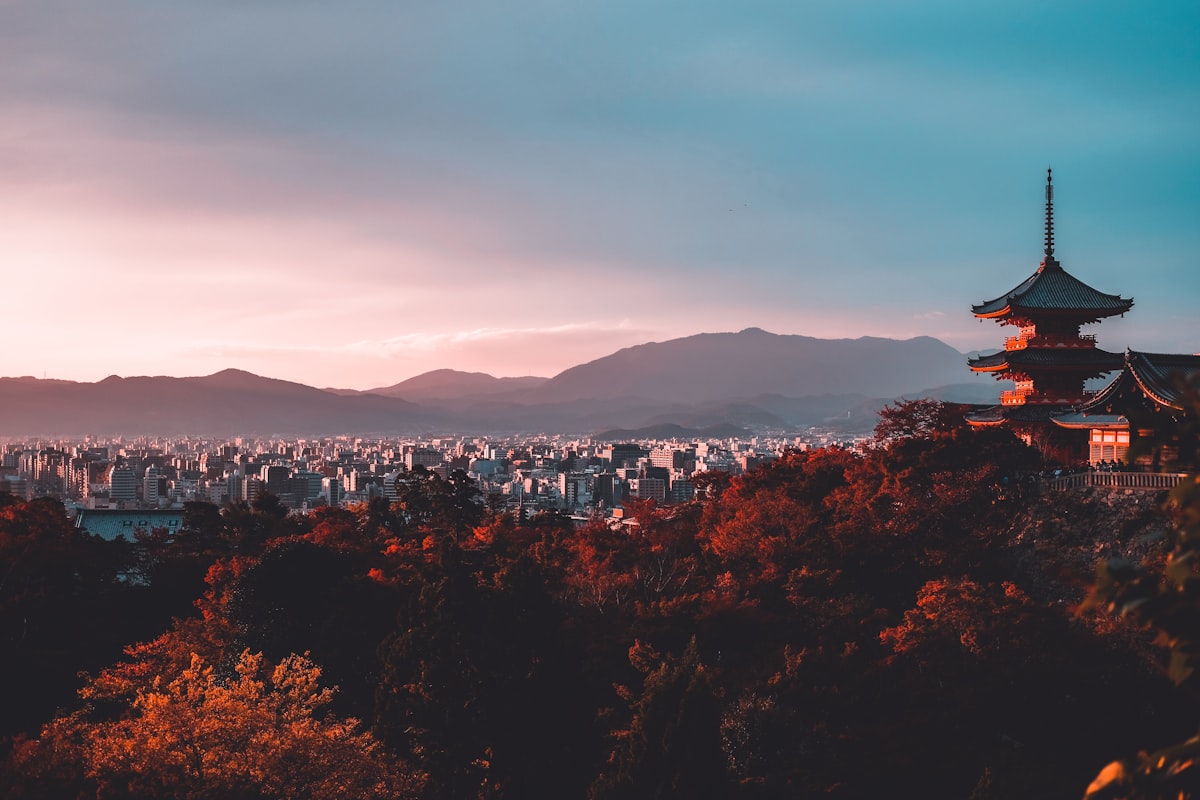
When guests ask me where to go for a taste of "old Japan," I always say the same thing: Shibamata. It's a 10-minute train ride from Kanamachi, and it feels like stepping into a different era. No crowds, no English menus, no Instagram influencers blocking the sidewalk.
I've been going there for years and still find it interesting. The shopping street hasn't changed much since the 1960s. That's not marketing speak—the area was left untouched by WWII bombing, and nobody bothered to modernize it afterward.
Getting There from Kanamachi
From Keisei Kanamachi Station, take any train to Keisei Takasago (one stop). Transfer to the Keisei Kanamachi Line and ride one more stop to Shibamata. The whole thing takes about 10 minutes and costs around 140 yen each way.
On nice days, I sometimes walk instead. It's about 25-30 minutes along the Edogawa River—pleasant if you're not in a hurry.
Taishakuten Temple
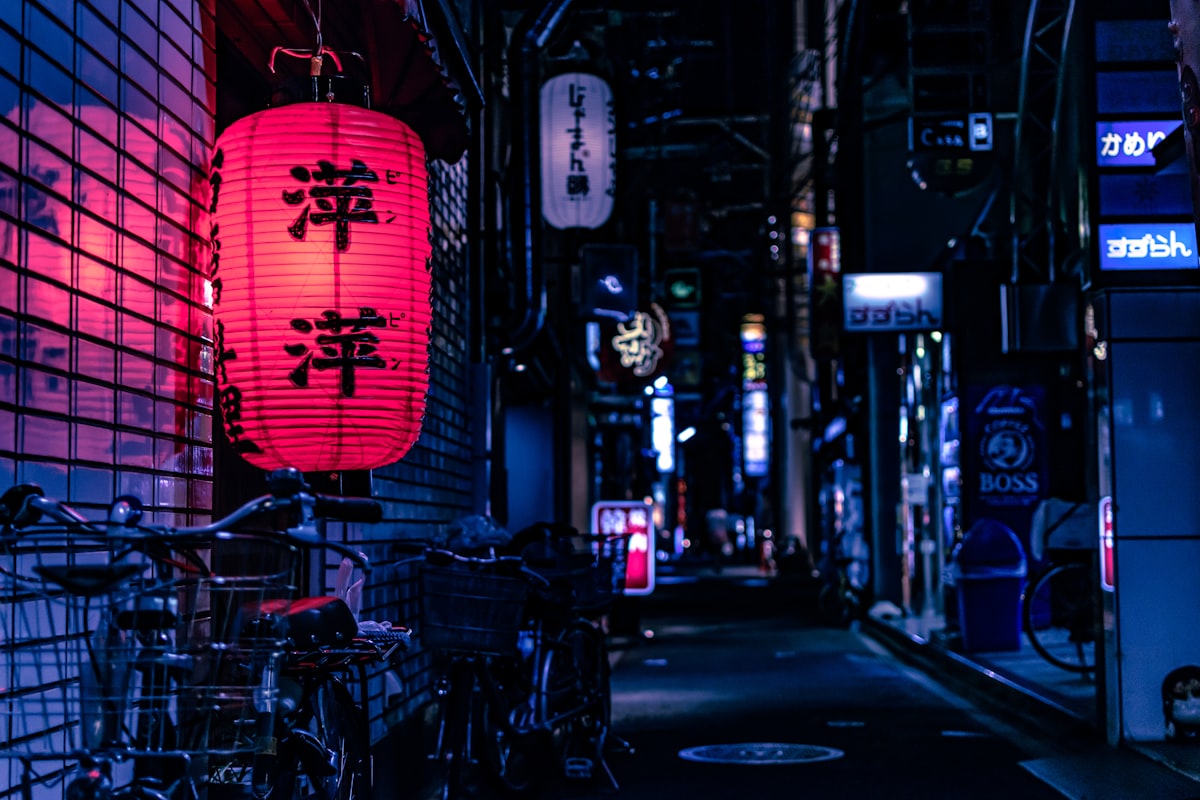
The temple has been here since 1629. Most visitors come for the wooden carvings on the main hall's exterior—intricate Buddhist scenes carved by craftsmen over decades. The gallery costs 400 yen to enter, which also gets you into the garden behind the main building.
Temple hours are 5am to 8pm on weekdays, closing at 5pm on weekends. The gallery closes earlier at 4:30pm.
Honestly, the free areas are impressive enough for most visitors. But if you're interested in Buddhist art or traditional craftsmanship, the gallery is worth the small fee.
The Shopping Street (Taishakuten Sando)
This is the real draw for me. The 200-meter path from Shibamata Station to the temple is lined with old wooden shops selling the same things they've sold for generations.
The Dango Shops
Six shops along the sando sell kusa dango—green rice dumplings made with yomogi (mugwort). Each shop claims theirs taste different, and after trying most of them, I'd say that's actually true.
Kameya Honpo has been here since 1901. The shop served as the model for Tora-san's house in the famous film series. It's right next to the temple, always busy, and the dango is consistently good. This is my usual pick.
Takagiya is older—founded in 1868—and occupies the oldest wooden building on the sando. The film crew apparently favored this one. The atmosphere here is better than Kameya's, though the dango itself is similar.
Toraya has been around for over 100 years as well. Solid option if the other two have lines.
A stick of dango runs about 150-200 yen. Get one grilled with sweet soy glaze.
Other Food Worth Trying
Shibamata is known for eel (unagi). Several restaurants along the sando serve traditional preparations. Expect to pay 2,500-4,000 yen for a proper eel meal—not cheap, but the quality is good.
For something lighter, watch for shops hand-grilling senbei (rice crackers) over charcoal. The warm, fresh ones taste nothing like what you'd buy packaged.
The Tora-san Connection
You'll see references to "Tora-san" everywhere in Shibamata. From 1969 to 1995, a film series called "Otoko wa Tsurai yo" (It's Tough Being a Man) featured this neighborhood as the protagonist's home. The 48 films became Japan's longest-running series and hold serious nostalgic value for older Japanese.
There's a bronze statue of Tora-san outside Shibamata Station—good photo spot. The Tora-san Museum inside the station costs 500 yen and explains the cultural context. Even if you haven't seen the films, it's interesting for understanding post-war Japanese culture.
I wouldn't call it essential, but if you're curious about why Japanese visitors get emotional in this neighborhood, the museum explains it.
Yagiri no Watashi Ferry
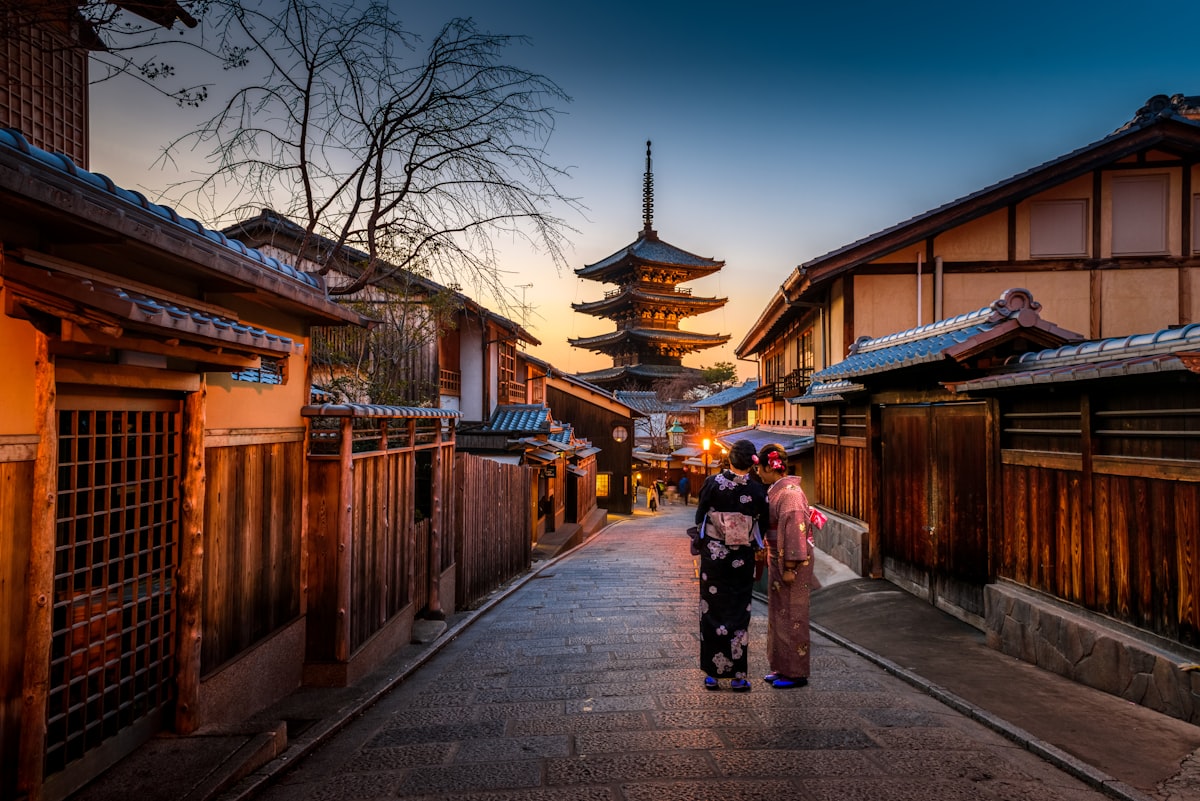
Past the temple, at the end of the sando, there's a small ferry crossing the Edogawa River. It's been running since the Edo period—one of the last traditional ferry crossings in Tokyo.
The ride takes about 5 minutes and costs 200 yen. It's not exactly thrilling, but there's something nice about crossing a river the same way people did centuries ago.
The ferry runs daily from around 10am to 5pm, weather permitting. Strong wind or rain cancels service. Weekend afternoons get the longest waits.
Yamamoto-tei Garden
A short walk from the main sando, Yamamoto-tei is a preserved merchant house from the 1920s with a garden designed for viewing from inside the building.
Admission is only 100 yen. Tea service costs extra but lets you sit and enjoy the garden properly.
Hours are 9am to 5pm (last entry 4:30pm), closed the third Tuesday of each month.
How I Usually Do It
I go on weekday mornings when it's quieter. Get there around 9:30-10am as shops are opening. Walk the sando slowly, maybe grab a dango or two. Poke into the temple grounds. If I'm hungry, eel lunch. If not, more snacking.
The whole thing takes 3-4 hours if you're relaxed about it. You could rush through in 90 minutes, but that misses the point.
Afternoons work too, especially in cooler weather. The light gets nice as it angles down the sando. Most visitors leave by 4pm, so late afternoon can be peaceful.
Practical Notes
Most small shops are cash only. There's a convenience store with an ATM near the station.
Comfortable shoes matter—you'll be walking on uneven surfaces and the temple has gravel paths.
Many shops close on Wednesdays or Thursdays. Check ahead if you're going mid-week.
From Our Place
Shibamata is one of the main reasons I recommend Kanamachi to guests. The 10-minute Keisei connection means you can visit multiple times without it feeling like a production. That's the real advantage of staying in this part of Tokyo—places like this are on your doorstep, not an hour away.
If you want to see what Tokyo looked like before it became a megacity, this is your best option. It never feels touristy the way Asakusa does.
Shibamata is just one of many day trips from Kanamachi—though honestly, most guests end up coming here more than anywhere else. For more about the neighborhood itself, see our Kanamachi guide.
Check booking policies for check-in details—you might want to drop bags first and head straight to Shibamata while you still have energy from the flight.
Frequently Asked Questions
How do I get to Shibamata from Kanamachi?
Take the Keisei Line from Keisei Kanamachi Station to Keisei Takasago (one stop), then transfer to the Keisei Kanamachi Line for one more stop to Shibamata. Total time is about 10 minutes, costing around 140 yen each way.
What are the must-try foods in Shibamata?
Kusa dango (green rice dumplings) is the signature treat—try Kameya Honpo or Takagiya along the shopping street. For a full meal, the area is famous for eel (unagi), with several traditional restaurants serving excellent preparations for 2,500-4,000 yen.
Is Shibamata worth visiting?
Absolutely, especially if you want to see Tokyo's traditional side without crowds. The shopping street feels like 1960s Japan, the temple has impressive wooden carvings, and the historic ferry crossing is a unique experience. It's only 10 minutes from Kanamachi—easy to visit multiple times.