
First-Time Tokyo Travel Tips: Staying Outside the City Center (Kanamachi Guide)
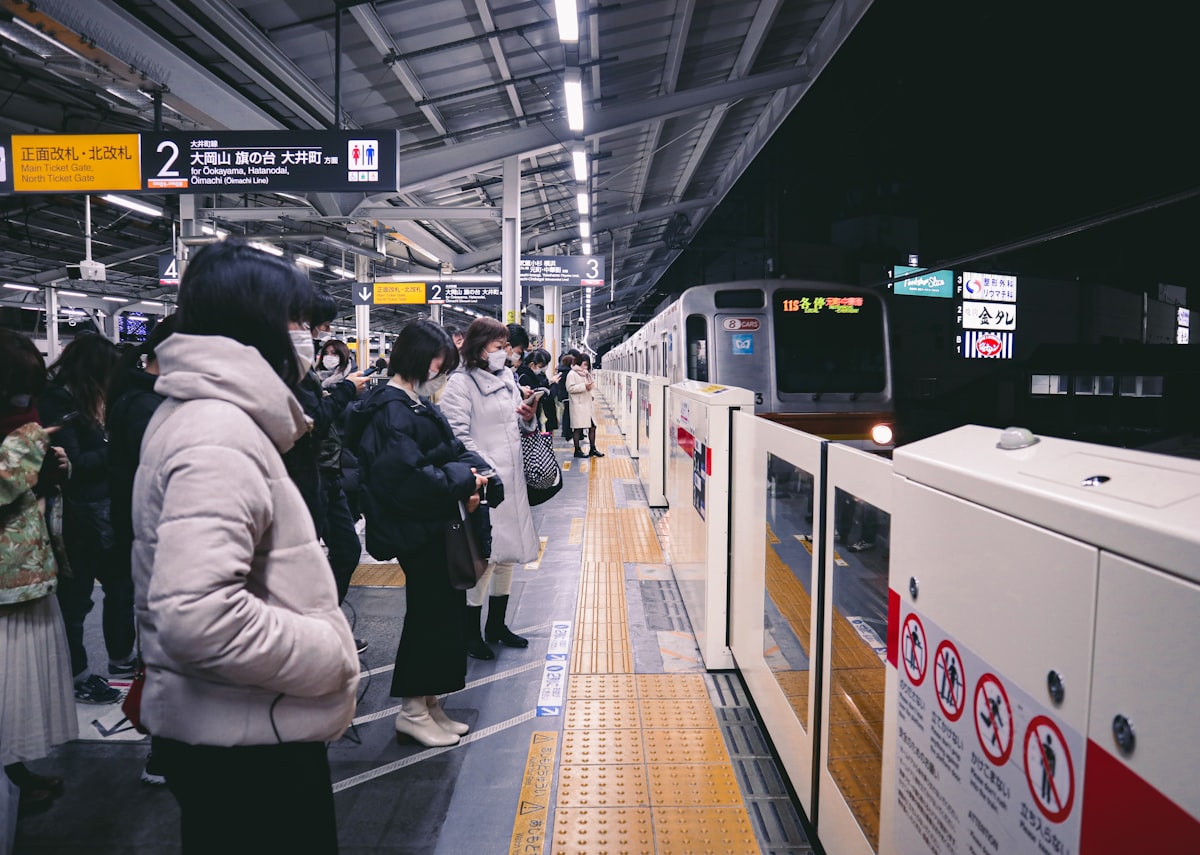
When guests book with us, the first question is usually about location. "Is Kanamachi too far? Should we stay in Shinjuku instead?" After hosting hundreds of travelers, I've learned what works and what doesn't.
Here's everything I wish someone had told me before my first Tokyo trip—especially the stuff that matters when you're staying outside central Tokyo.
Is Staying Outside Central Tokyo a Bad Idea?
Short answer: No.
In fact, for longer stays, suburban Tokyo accommodation offers real advantages: - Cheaper rates (often 50% less than Shinjuku) - Quieter nights for actual rest - Direct train access to eastern Tokyo attractions - Easier day trips to Narita, Mito, Shibamata
The key is knowing how to navigate trains and time your travel. That's what this guide covers.
Quick Survival Checklist
- Buy a Suica/Pasmo IC card immediately
- Avoid trains 7:30–9:00 AM
- Check last train before going out
- Carry ¥10,000–20,000 cash
- Group sightseeing by area
- Book flights before July 1, 2026 to lock in the old ¥1,000 departure tax (rises to ¥3,000 after — see Tokyo hotel prices 2026 for the wider 2026 cost picture)
Get an IC Card Immediately
Your first priority after leaving the airport should be getting a Suica or Pasmo card. These rechargeable cards work on virtually all trains, buses, convenience stores, and vending machines.
Buy one at any JR station ticket machine. You'll pay a 500 yen deposit (refundable if you return the card) and load it with initial funds. I recommend starting with 2,000-3,000 yen.
From a suburban base, you'll tap in and out of trains constantly. Having a loaded IC card means no fumbling with ticket machines when you're exhausted. The small savings per trip add up too.
Understanding Train Lines
Tokyo's rail system looks overwhelming on a map. It's logical once you understand the basics.
JR lines (green signage): The big operator, covering most of Tokyo. The Yamanote Line circles through major stations—think of it as the system's backbone.
Metro lines (various colors): Subway network running through central Tokyo.
Private railways: Companies like Keisei, Odakyu, Tokyu serving specific corridors.
From Kanamachi, you're on the JR Joban Line. Most journeys involve riding the Joban Line until you can transfer to whatever gets you to your destination. It sounds complicated, but Google Maps handles the navigation. Just follow the directions.
Download offline maps for your area. Cell service is good, but having backup prevents stress.
Train Schedule Reality
Trains run precisely and frequently—but not 24 hours.
Morning service starts around 5:00am. Rush hours (7:00-9:30am, 5:00-8:00pm) have trains every 2-5 minutes. Last trains on most lines leave between 11:30pm and midnight.
This matters when staying outside Tokyo city center. Know the last train time before you go anywhere. Set a phone alarm if you tend to lose track of time. Missing the last train means expensive taxis (think 5,000-10,000 yen from central Tokyo) or waiting until morning service.
One guest messaged me at 1am once, stuck in Roppongi after missing the last train. Not fun for anyone.
Avoiding Rush Hour
First-timers often try to start sightseeing at 8 or 9am. From suburban accommodation, this puts you on trains during peak rush hour.
I'm not exaggerating how crowded it gets. Trains between 7:30-9:00am pack beyond anything you've experienced. Standing shoulder-to-shoulder with commuters for 30-40 minutes drains you before your day even starts.
Better approaches: - Leave around 9:30-10:00am after the crush subsides - Leave very early (before 7:00am) to beat it entirely
Many attractions open at 9:00 or 10:00am anyway. Arriving before opening just means waiting outside.
Plan Days by Geography
Random itinerary planning wastes hours on trains.
Efficient day: Ueno Park morning, Akihabara afternoon, Asakusa evening. All in eastern Tokyo, minimal travel between stops.
Inefficient day: Shibuya morning, Ueno afternoon, Shinjuku evening. Crossing the city multiple times.
Group attractions by area. Spend full days in one part of Tokyo rather than zigzagging. This matters more when staying outside central Tokyo—every unnecessary trip adds 30+ minutes.
I usually give guests a rough map showing which areas cluster together. It helps them plan more efficiently.
The Convenience Store Is Your Friend
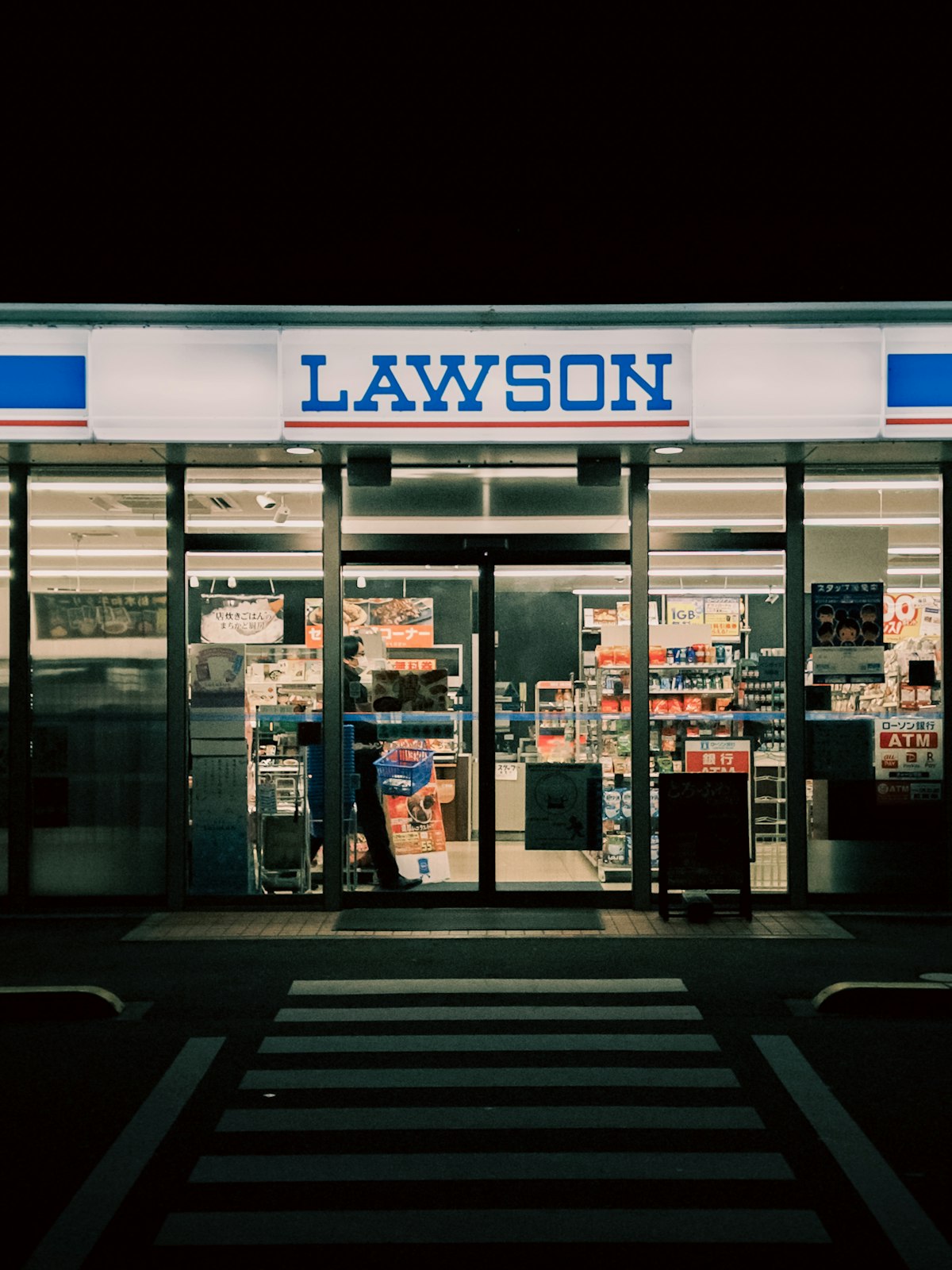
Japanese konbini (convenience stores) do things convenience stores elsewhere don't. 7-Eleven, FamilyMart, and Lawson provide:
- ATMs that accept foreign cards
- Quality prepared meals (onigiri, bento boxes, sandwiches)
- Hot coffee and fresh pastries
- Basic toiletries and medicine
- Phone chargers and adapters
From suburban accommodation, your nearest konbini becomes essential. Locate it right after arriving. For quick breakfasts or late-night snacks, these stores are lifesavers.
The prepared food is good—nothing like convenience store food back home. Plenty of guests end up eating konbini meals regularly to save money and time.
Cash Still Matters
Japan is more cash-dependent than many visitors expect. Major stores take cards, but small restaurants, local shops, and some transportation scenarios require yen.
Withdraw cash at 7-Eleven ATMs (most reliable for foreign cards). Carry 10,000-20,000 yen for daily use. Keep backup amounts hidden separately.
Suburban areas particularly rely on cash. The local ramen shop near Kanamachi? Cash only. The vegetable stand at the shotengai? Cash only. Plan accordingly.
Basic Phrases That Help
You don't need fluent Japanese. But a few words smooth countless interactions:
Sumimasen (sue-mee-mah-sen): "Excuse me" or "I'm sorry." Use it to get attention or apologize for inconvenience.
Arigatou gozaimasu (ah-ree-gah-toh go-zai-mas): "Thank you" (polite form). Say it often.
Kore o kudasai (koh-reh oh koo-dah-sai): "This please." Point and say it.
Ikura desu ka (ee-koo-rah des kah): "How much?"
In suburban areas without tourist infrastructure, these phrases help more than you'd expect. Locals appreciate the effort, even when your pronunciation is terrible.
Preparing for Language Barriers
Outside tourist zones, English communication is limited. Prepare:
- Screenshot important addresses in Japanese
- Save your accommodation address to show taxi drivers
- Download Google Translate for camera-based menu reading
- Get comfortable pointing at pictures
The language barrier is manageable with preparation. It only becomes frustrating when you expect English that doesn't exist.
Suburban-Specific Advice
Front-Load Central Attractions
If you must see Shibuya, Shinjuku, and Harajuku, do them early when your energy is highest. Save easier, closer destinations for later when travel fatigue sets in.
Schedule Rest Days
Extended trips benefit from non-sightseeing days. Use your suburban base for sleeping late, exploring the local neighborhood, doing laundry, or simply recovering.
The quieter environment supports actual rest better than a hotel in Shibuya where something is always happening outside your window.
Explore Your Own Neighborhood
Don't treat suburban accommodation as just a place to sleep. Spend time discovering local restaurants, nearby parks, small temples. Walk around without an agenda.
These explorations often become trip highlights. Regular daily life unfolds in ways you won't see at tourist attractions.
Common Mistakes to Avoid
Overpacking the itinerary: Tokyo has endless attractions. Scheduling 4-5 major stops daily leads to exhaustion. Plan 2-3 significant things per day maximum.
Ignoring jet lag: Flying to Japan crosses many time zones. Days 1-2 often produce severe afternoon fatigue around 2-4pm. Plan accordingly.
Avoiding local food: Don't stick to familiar chains. Point at what locals are eating. The worst outcome is one meal you don't love.
Fearing getting lost: You can't get dangerously lost in Tokyo. The train system can return you from anywhere. Treat minor detours as discoveries.
Buying souvenirs too early: Note what you want, purchase near the end. Your back will thank you.
Before You Leave
Choosing between airports? See our detailed Haneda vs Narita comparison—the answer might surprise you if you're staying in eastern Tokyo. Staying in Kanamachi? Step-by-step routes from Haneda and from Narita. For more about the neighborhood itself, check out our Kanamachi guide.
Check booking policies carefully before your trip. Understand check-in procedures, house rules, and cancellation terms.
If you have questions about getting around from our place, ask. I've walked guests through routes to specific destinations many times. The trains seem complicated until someone explains your particular journey—then it's straightforward.
Questions are welcome. That's what I'm here for.
If you're planning your first Tokyo trip and want a quiet, affordable base with direct train access, check our rooms in Kanamachi. Many first-time guests say staying outside the city center made their trip less stressful.
Frequently Asked Questions
What is the best IC card for tourists in Tokyo?
Either Suica or Pasmo works identically—both work on all trains, subways, buses, and convenience stores. Buy whichever is available at your arrival station. Load 2,000-3,000 yen to start.
Is it safe to stay outside central Tokyo?
Very safe. Suburban Tokyo neighborhoods like Kanamachi are quiet, clean, and have low crime rates. You'll experience more authentic daily Japanese life than in tourist-heavy areas.
How do I avoid rush hour trains in Tokyo?
Leave before 7:00 AM or after 9:30 AM. Peak crush is 7:30-9:00 AM. Most attractions open at 9:00-10:00 AM anyway, so there's no benefit to fighting rush hour crowds.