返回博客
指南

Tokyo Skytree: Is It Worth the Ticket Price?

2026年1月20日8 分钟阅读

Tokyo Skytree: Is It Really Worth It?

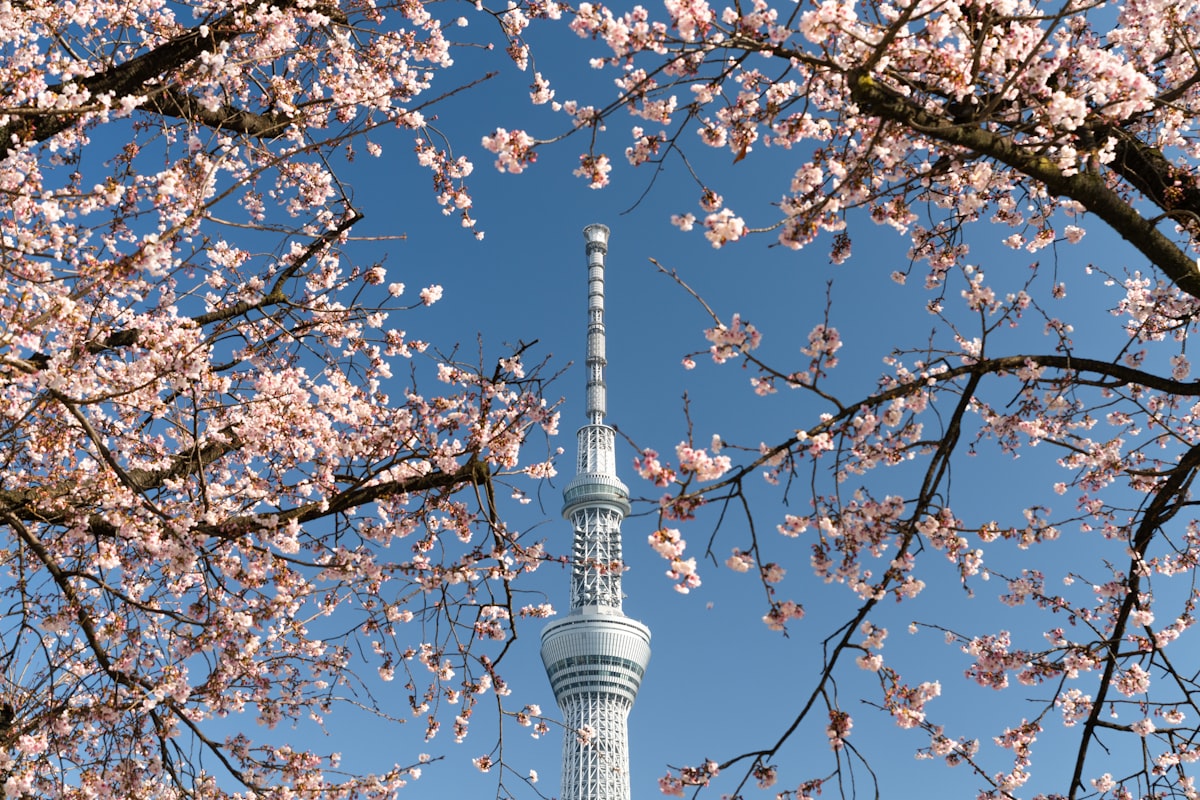
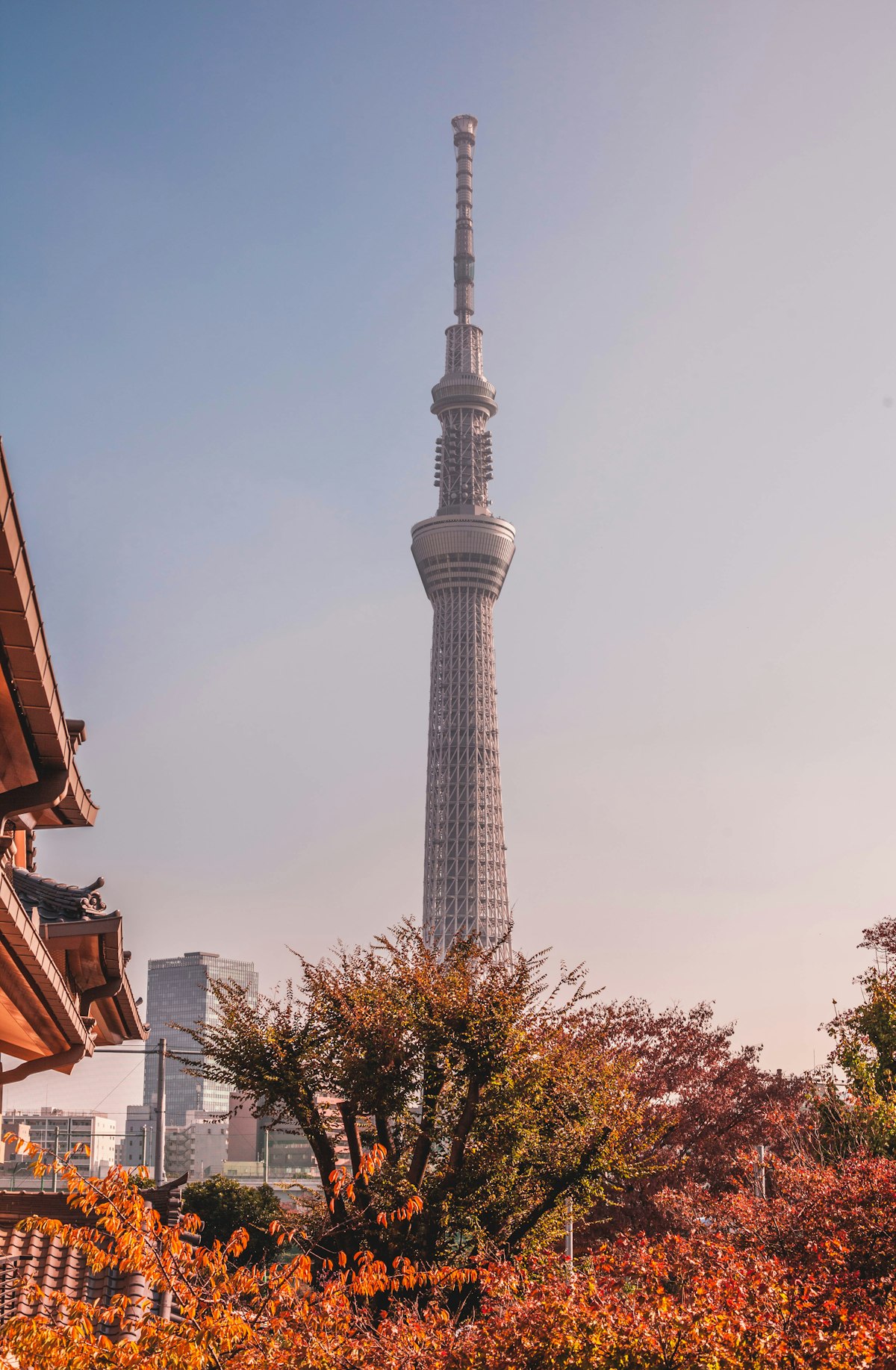
Tokyo Skytree tower view from Sumida River

At 634 meters, Tokyo Skytree is Japan's tallest structure. The observation decks offer views you genuinely can't get anywhere else.

But tickets start at 1,800 yen and can climb to 3,400 yen for both decks.

Guests ask me constantly: is it worth it?

If you're wondering whether Tokyo Skytree is worth it, this guide is based on hosting dozens of guests who've made the trip. My honest answer: it depends on the weather and what you value.

The Quick Answer

Worth it if: You get a clear day, go near sunset, and actually care about views. On a good day, you can see Mount Fuji.

The perspective of Tokyo sprawling endlessly in every direction is unlike anything else.

Skip if: It's cloudy, hazy, or you're not particularly interested in observation decks. You'll pay serious money to look at gray mist.

The reality: Most of the year, Tokyo has some haze. Crystal-clear days happen maybe 30-40 times annually, mostly in winter. Check the weather before committing.

Getting There from Kanamachi

The trip takes about 25-30 minutes and costs around 300-400 yen each way.

Best route: JR Joban Line from Kanamachi to Kita-Senju (about 10 minutes), transfer to Tokyo Metro Hanzomon Line direct to Oshiage Station. Skytree is directly connected to the station—you can't miss it.

Alternative: Keisei Line from Keisei Kanamachi to Keisei Takasago, then Keisei Oshiage Line to Oshiage. Slightly slower but fewer crowds at transfers.

The eastern Tokyo location means you're approaching from nearby rather than crossing the entire city. That's a real advantage.

Two Observation Decks Explained

Tembo Deck (350 meters)

Skytree Tembo Deck observation with panoramic views

This is the main observation deck, spanning three floors. The views are genuinely spectacular—floor-to-ceiling windows give you 360-degree panoramas of Tokyo.

What you'll see: - Tokyo sprawl in every direction - Mount Fuji on clear days (look west) - Sumida River winding below - The distinctive Tokyo Tower in the distance - Planes approaching Haneda Airport

One section has glass floors so you can look straight down. It's more gimmicky than scary, but kids love it.

The deck includes a cafe and souvenir shop. Prices are tourist-level but not outrageous.

Ticket price: Around 1,800 yen for adults (advance purchase)

Tembo Galleria (450 meters)

This is the higher deck, accessed via a separate elevator from Tembo Deck. It's a spiraling glass walkway that climbs to 450 meters.

Is it worth the upgrade? Honestly, the view difference isn't dramatic. You're 100 meters higher, but Tokyo already looks tiny from 350m.

The main draw is saying you went to the highest accessible point.

The Galleria is smaller and can feel cramped when busy.

On clear days, it's nice. On hazy days, you're paying extra to see the same fog from slightly higher.

Additional cost: Around 1,000-1,200 yen on top of Tembo Deck ticket

My recommendation: If it's a crystal-clear day and you're already there, sure. Otherwise, Tembo Deck alone is sufficient.

Ticket Prices & How to Save

Current Pricing (2024-2025)

Ticket Type Same-Day Advance
Tembo Deck only ~2,100 yen ~1,800 yen
Deck + Galleria ~3,400 yen ~3,100 yen

Prices vary slightly by time slot and season. Weekends cost more than weekdays.

How to Save Money

Buy advance tickets: Saves 200-400 yen and guarantees entry. Same-day tickets sometimes sell out on busy days or limit you to specific time slots.

Go on weekdays: Cheaper tickets and fewer crowds. The experience is noticeably better.

Skip Tembo Galleria: The extra 100 meters rarely justifies the cost. Tembo Deck views are already incredible.

Use discount platforms: Klook and similar sites occasionally offer bundle deals—Skytree tickets plus subway passes or other attractions. Worth checking.

Combo with Sumida Aquarium: If you're interested, package tickets save money versus buying separately.

What's Not Worth It

VIP/fast-track tickets: Exist but expensive. Regular lines move reasonably on weekdays.

Premium time slots: Sunset windows cost more. The view is better, but you can often catch sunset from Tembo Deck on a slightly earlier slot.

Best Time to Visit

Weather Matters Most

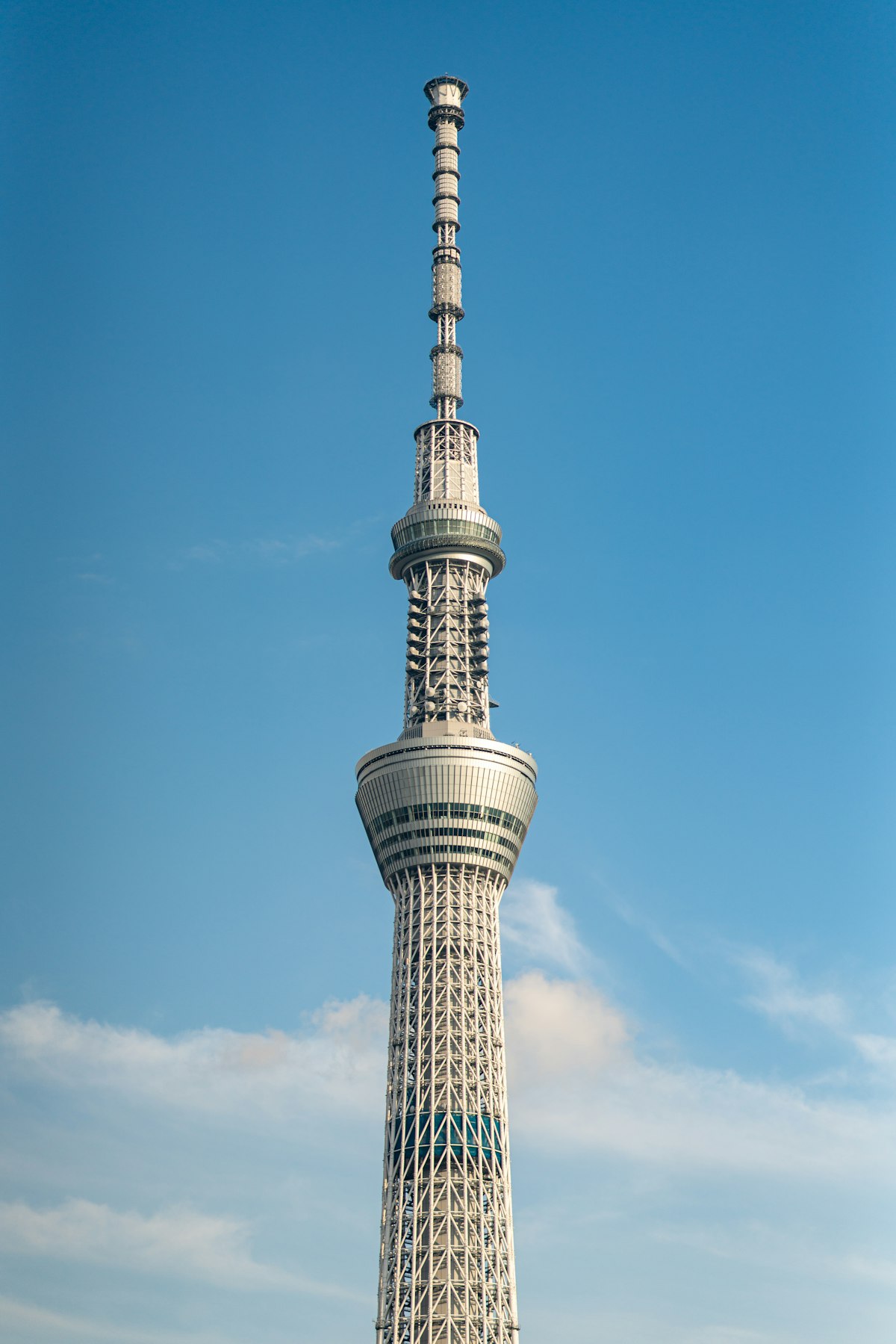
Tokyo Skytree against blue sky

Check the forecast before booking. You want: - Low humidity (haze kills views) - Clear or partly cloudy skies - Good visibility

Best months: December through February. Cold, dry air means clearest views. Winter sunsets are particularly spectacular.

Worst months: June through August. Humidity creates persistent haze. You might see buildings fade into gray within a few kilometers.

Time of Day

Sunset is the sweet spot. You get daylight views, watch the transformation as lights come on, then see Tokyo illuminated at night.

Book a slot about 30-60 minutes before sunset.

Clear mornings work well too, especially for Mount Fuji visibility. Fuji is most visible in early morning light.

Night-only visits mean you miss the daytime perspective, but nighttime Tokyo is genuinely beautiful—millions of lights stretching to the horizon.

Day of Week

Weekdays are better. Shorter lines, cheaper tickets, more space on the deck.

Weekends and holidays get crowded. You'll spend more time in lines and jostling for window positions.

Skytree Town

The base of Skytree contains Solamachi, a large shopping and dining complex. It's worth knowing about because you'll pass through it.

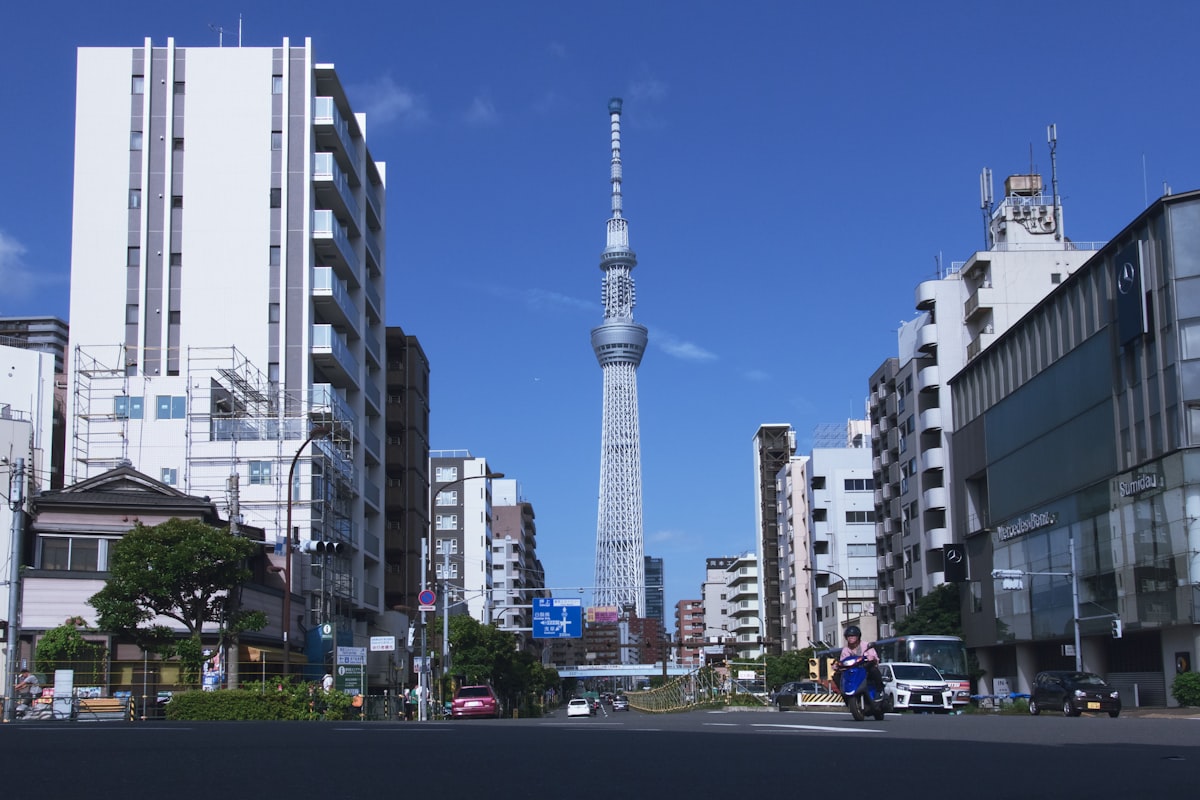
Tokyo Skytree tower view

Worth checking out: - Food court with decent options (basement level) - Tokyo Solamachi (character goods store) - Traditional craft shops mixed with modern retail

Sumida Aquarium is here too—small but nicely designed, good for families or rainy days.

Skip: Most of the generic mall retail unless you specifically need something.

You can easily spend 1-2 hours in Solamachi before or after your observation deck visit. Food options beat the overpriced cafe upstairs.

3-Hour Skytree + Asakusa Itinerary

These two attractions are close enough to combine. Here's how I'd structure it:

Option A: Morning Temple, Afternoon Tower

  • 7:00-9:00 AM: Sensoji Temple (beat the crowds)
  • 9:00-10:00 AM: Breakfast in Asakusa
  • 10:00-10:30 AM: Walk along Sumida River to Skytree
  • 10:30 AM-12:00 PM: Skytree observation + Solamachi lunch

Option B: Afternoon Tower, Evening Temple

  • 3:00-4:30 PM: Skytree around sunset
  • 4:30-5:00 PM: Walk to Asakusa via river
  • 5:00-7:00 PM: Sensoji evening illumination + dinner

I prefer Option B for photography. Sunset from Skytree is spectacular, and Sensoji's evening illumination is beautiful.

But Option A works better for avoiding temple crowds.

For the full temple breakdown, see our Sensoji guide.

Skytree vs Shibuya Sky

Some travelers now consider Shibuya Sky their preferred Tokyo observation deck. Fair comparison:

Skytree advantages: - Taller (634m vs 230m) - More central Tokyo views - Eastern Tokyo location (convenient from Kanamachi) - Mount Fuji views on clear days

Shibuya Sky advantages: - Outdoor rooftop (Skytree is enclosed glass) - Shibuya Crossing views directly below - More "Instagrammable" design - Slightly cheaper tickets

My take: If you're staying in eastern Tokyo, Skytree makes more sense logistically. Shibuya Sky requires crossing the city.

Both are worthwhile if you love observation decks, but most visitors only need one.

If you're torn: Skytree for pure height and panoramas, Shibuya Sky for outdoor vibes and the famous crossing view.

My Verdict

Who Should Go

  • View enthusiasts: If observation decks excite you, Skytree delivers
  • Clear day visitors: Check weather, then book
  • First-time Tokyo visitors: It's iconic, gives you geographic context for the city
  • Photographers: Sunset shots are genuinely stunning

Who Should Skip

  • Budget travelers: 2,000-3,000 yen is significant if you're counting every yen
  • Cloudy day arrivals: Don't waste money on haze
  • Height anxiety: The glass floors and sheer height aren't for everyone
  • "Been to one tower, seen them all" types: If observation decks bore you, this won't convert you

The Honest Assessment

Skytree is impressive but not essential. Unlike Sensoji (which is free and historically significant), this is a modern tourist attraction with a significant entrance fee.

On a clear day, standing 350 meters above Tokyo and watching sunset paint the city gold while Mount Fuji glows in the distance—that's a genuine experience worth paying for.

On a hazy Tuesday, watching gray buildings fade into gray sky—that's an expensive disappointment.

Check the weather. Time it right. And if conditions align, go for it.

From Our Place

The eastern Tokyo location works perfectly for Skytree. You're 25-30 minutes away, approaching from nearby rather than fighting through central Tokyo.

I often suggest guests combine it with Sensoji Temple for a half-day exploring the Asakusa/Sumida area. It's one of the easier excursions from Kanamachi.

For more day trip ideas, see our complete guide. And for general Tokyo navigation tips, check our first-time visitor guide.

Questions about timing or weather? Ask before you book. I check conditions regularly and can tell you if it's worth going on a particular day.

Frequently Asked Questions

How long does a Skytree visit take?

Plan 1-2 hours for the observation deck, longer if you explore Solamachi mall below. The deck itself takes 30-45 minutes unless you're lingering for photos or sunset.

Can you see Mount Fuji from Skytree?

Yes, on clear days—mostly in winter when air is dry. Mount Fuji is visible to the west, about 100km away. Even on "clear" summer days, haze often obscures it.

Is Skytree crowded?

Weekends and holidays, yes. Weekdays are manageable. Sunset slots are always busier. Buy advance tickets to guarantee entry and sometimes skip the ticket-buying line.

Do I need to book Skytree tickets in advance?

Not strictly required, but recommended. Advance tickets are cheaper (save 200-400 yen), guarantee your preferred time slot, and sometimes sell out on busy days. Book online at the official site or through discount platforms like Klook.


Suggested future images: - "Tokyo Skytree tower from Sumida River blue sky" - "Skytree Tembo Deck glass floor looking down" - "Tokyo sunset panorama from Skytree observation deck" - "Mount Fuji view from Tokyo Skytree clear day" - "Solamachi shopping mall entrance Skytree Town"

准备入住Bon House?

在东京中心体验舒适便捷的住宿

查看房间

分享这篇文章