
Sensoji Temple: What to Know Before Your First Visit
By Atsushi — host at Bon House, 25 minutes from Sensoji
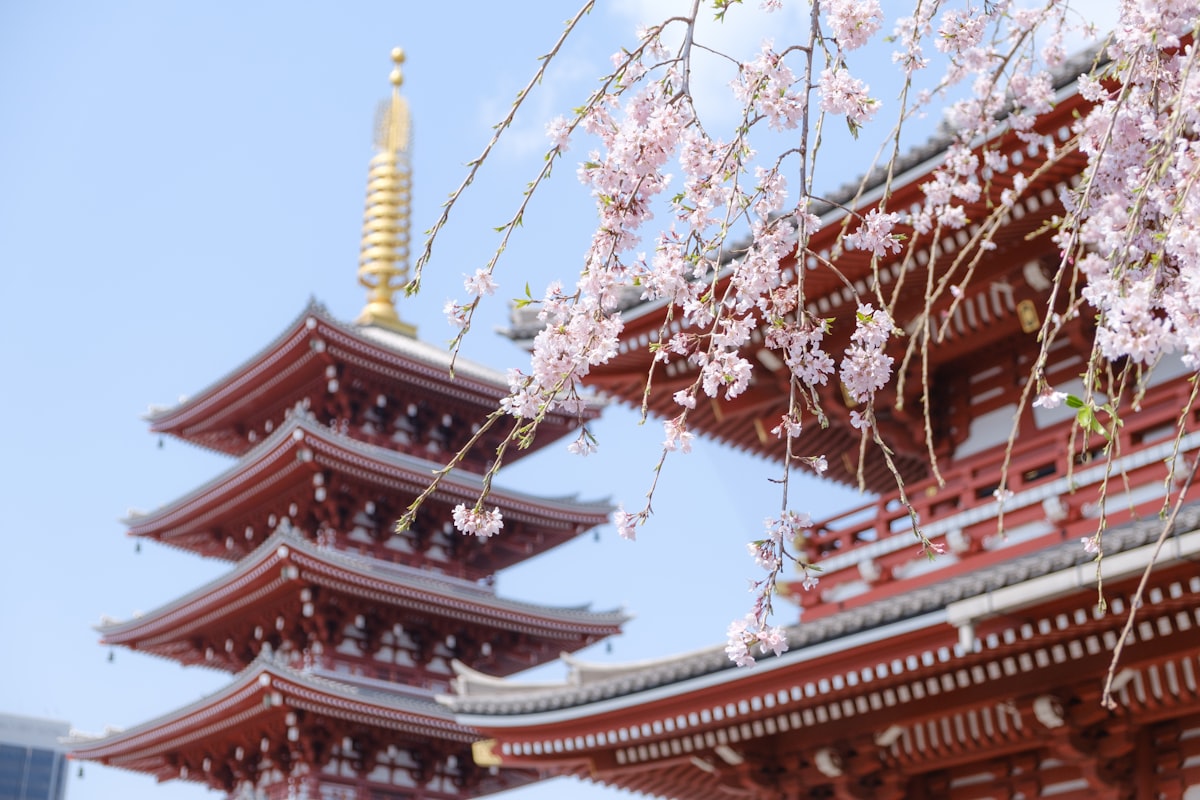
Every guest asks about Sensoji. It's on every "must-see Tokyo" list, every Instagram feed, every travel itinerary. They're not wrong to want to go.
But here's what those lists don't tell you: Sensoji receives over 30 million visitors per year. That's more than any other temple in Japan.
If you show up at the wrong time, you'll spend more energy fighting crowds than experiencing the place.
I've walked guests to Sensoji at 6 AM more times than I can count. The ones who go early almost always message later saying it was the trip highlight. Those who show up at noon come back saying it was too crowded to enjoy. The difference usually comes down to timing and expectations.
Getting There from Kanamachi
The trip takes about 25-30 minutes and costs around 350 yen each way.
Fastest route: JR Joban Line from Kanamachi to Kita-Senju (about 10 minutes), then transfer to the Tsukuba Express toward Asakusa—2 stops, about 3 minutes. You arrive at TX Asakusa Station, a short walk from Kaminarimon Gate.
Alternative: Take the Keisei Line from Keisei Kanamachi to Aobadai, then walk to Asakusa Station on the Toei Asakusa Line. Slightly longer but avoids the Kita-Senju transfer chaos during rush hour.
The eastern Tokyo location works in your favor here. You're approaching from the less crowded direction, not fighting through Shinjuku or Shibuya first.
Inside the Temple Complex
Kaminarimon Gate
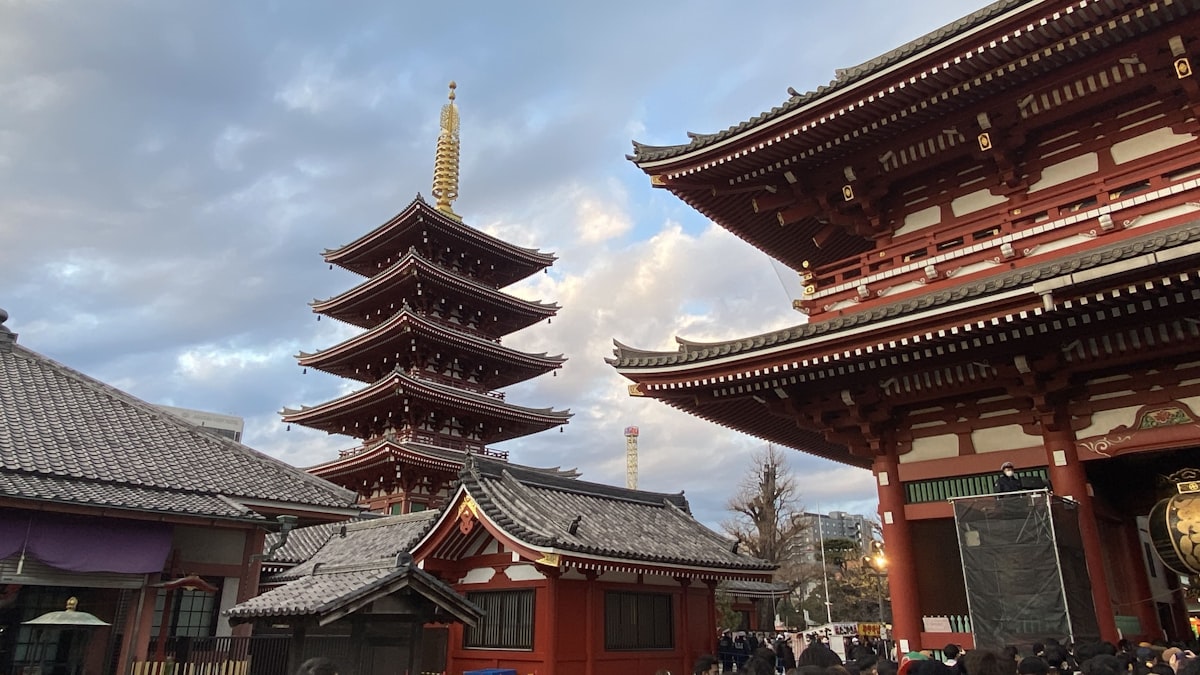
The giant red lantern is the photo everyone wants. The lantern weighs 700 kg and the gate dates back centuries (though rebuilt after WWII bombing) — standing under it, you feel the scale.
Two fierce statues flank the entrance: Fujin (wind god) and Raijin (thunder god). Most people rush past them for the lantern shot, but the craftsmanship on these figures is remarkable if you stop to look.
The gate marks the official entrance to the temple grounds. Once you pass through, you're on Nakamise-dori.
Nakamise Shopping Street
This 250-meter pedestrian street connects Kaminarimon to the temple's inner gate. Nearly 90 shops line both sides, selling everything from traditional crafts to tourist kitsch.
Worth stopping for: - Ningyo-yaki (small cakes shaped like temple lanterns, fresh and warm) - Kaminari-okoshi (traditional rice crackers, the area's signature snack) - Hand-painted fans and tenugui (traditional towels)
Skip: - Overpriced "Japanese" souvenirs made elsewhere - Anything with aggressive English signage targeting tourists
The street gets impossibly crowded midday. I've seen it take 20 minutes just to walk the 250 meters. Early morning, you can stroll comfortably.
The Main Hall
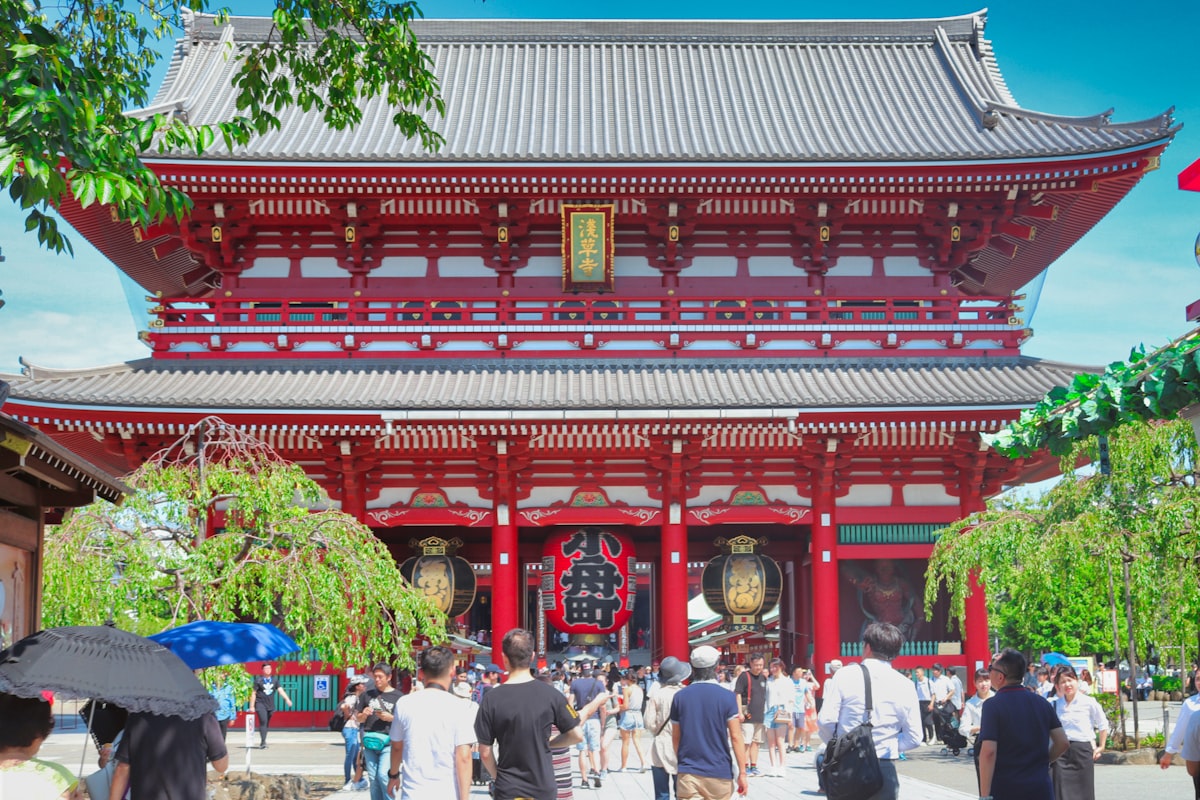
Past the second gate (Hozomon), you'll reach the main hall dedicated to Kannon, the Buddhist goddess of mercy.
The large incense burner in front attracts crowds wafting smoke toward themselves—tradition says it brings good health to wherever the smoke touches. Join in if you want, but don't expect spiritual solitude.
Inside the hall, you can offer prayers. Toss a coin (5 yen is considered lucky), bow twice, clap twice, bow once. The temple has been here since 628 AD. Even rebuilt, there's genuine history in these grounds.
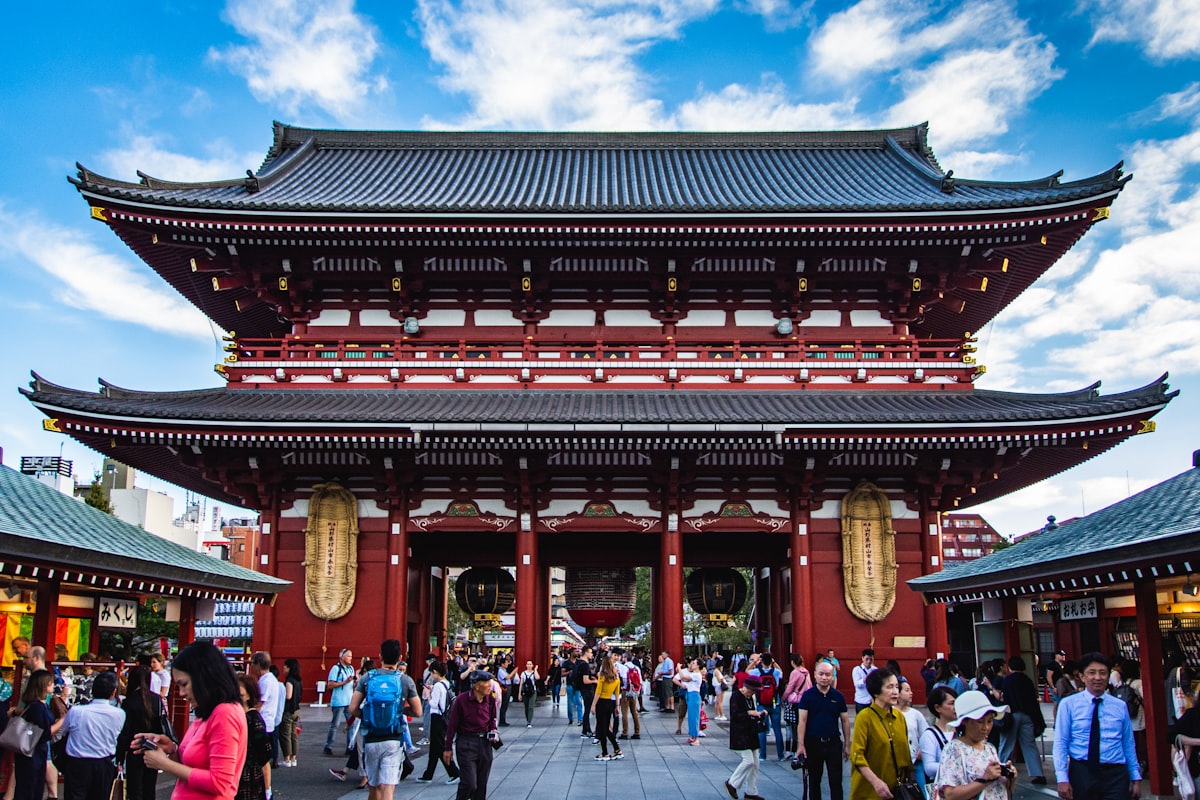
The five-story pagoda beside the main hall is beautiful, especially in evening light.
When to Visit
Early Morning (Best)
Temple grounds open at 6:00 AM. The main hall opens at 6:00-6:30 AM depending on season.
6:00-7:30 AM: Almost empty. Locals doing morning prayers. Peaceful atmosphere. This is how temples are meant to be experienced.
Last spring a guest from Seoul set an alarm for 5:45 AM. She messaged me a photo at 6:10 — the main hall, almost empty, low light through the lanterns. "This is why I came to Tokyo," she wrote. That's the version most people never see.
7:30-9:00 AM: Starting to fill but still manageable. Nakamise shops begin opening around 9:00-10:00 AM.
The same dawn trick is the only way to handle Sensoji at New Year, when it takes roughly 2.8 million visitors over three days — see our Tokyo hatsumode guide.
Evening Illumination
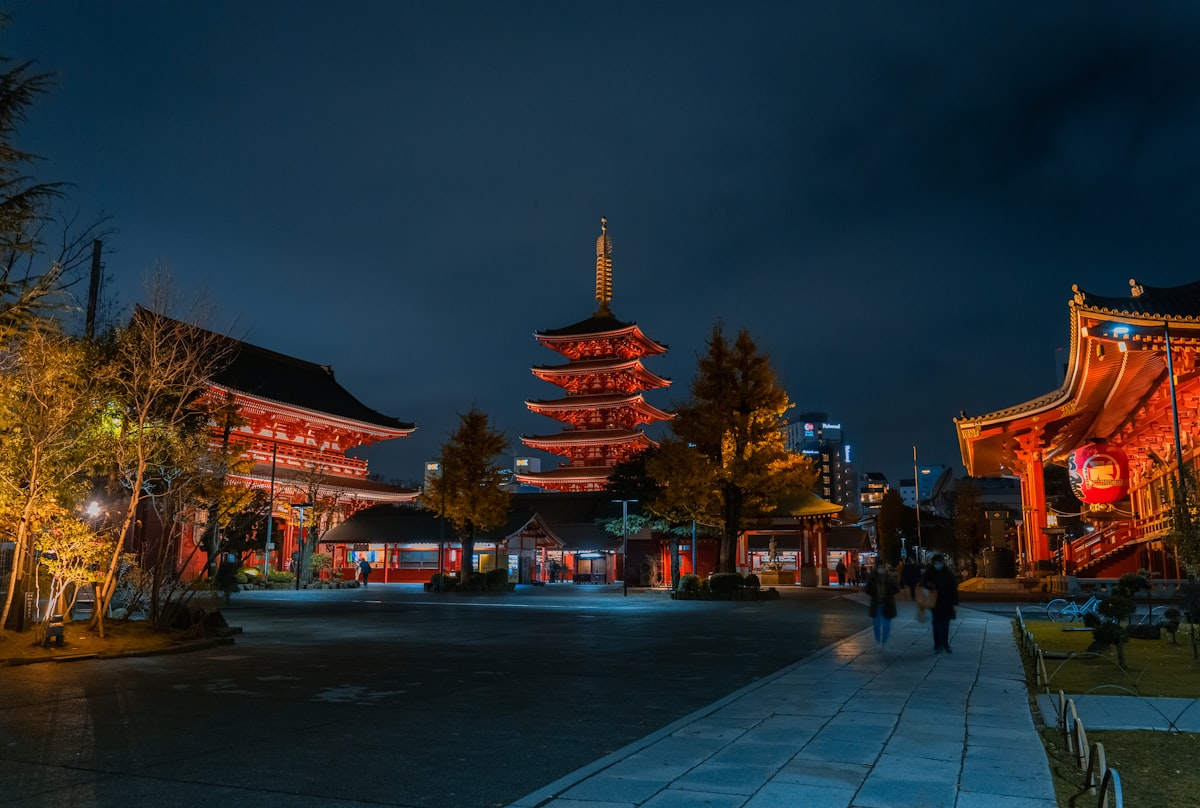
The temple is beautifully lit from sunset until around 11:00 PM. The crowds thin dramatically after 6:00 PM when tour groups leave.
Main hall closes at 5:00 PM, but you can still walk the grounds, see the illuminated pagoda and gates, and enjoy Nakamise (most shops close by 7:00 PM, some stay open later).
Evening visits are underrated. The atmosphere is completely different—quieter, more atmospheric, the orange lanterns glowing against a dark sky in a way photos don't quite capture.
When to Avoid
Weekends: Especially Saturday afternoons. The crowds are intense.
Holidays: Golden Week (late April-early May), Obon (mid-August), and New Year are the worst.
11:00 AM - 3:00 PM: Peak tour group hours regardless of day.
The Crowd Reality
I won't sugarcoat it: Sensoji is crowded almost all the time during daylight hours.
30 million annual visitors averages to over 80,000 people per day. On busy days, that number doubles.
You will be surrounded by tour groups, selfie sticks, and people stopping suddenly to take photos.
This doesn't mean skip it. The temple is worth it — the architecture, the history, the incense smoke, the sheer age of the place.
But adjust your expectations. This isn't a peaceful meditation retreat—it's a major tourist attraction that happens to be a functioning temple.
If crowds truly bother you, go at 6:00 AM or after dark. Those are your only options for a quieter experience.
3-Hour Asakusa Itinerary
Here's how I'd spend a half-day in the area:
Hour 1: Temple Grounds - Start at Kaminarimon, take your photos - Walk Nakamise slowly, grab a ningyo-yaki - Enter main hall, offer a prayer if you'd like - Circle the pagoda and garden area
Hour 2: Surrounding Area - Exit through the back and explore the smaller streets - Visit Asakusa Shrine (right next to Sensoji, often overlooked) - Walk along the Sumida River for Skytree views
Hour 3: Food & Culture - Find a local tempura or soba restaurant (Asakusa is famous for both) - Or grab street food: melon pan, taiyaki, yakitori - Browse the traditional craft shops on the side streets
Optional extension: Walk 20 minutes to Tokyo Skytree (or take the subway one stop). See our Skytree guide for details.
What I'd Skip
Kimono rental in Asakusa: The area is saturated with tourists in rental kimono. It's become a bit performative.
Navigating crowds in traditional dress sounds exhausting. If you want the kimono experience, do it somewhere less chaotic.
Rickshaw tours: Expensive (3,000-10,000 yen depending on length) and awkward for navigating crowds. You can see everything yourself on foot.
Expensive temple "fortunes": The basic omikuji (fortune slips) cost 100 yen and are part of the experience. But some stalls push expensive variations that aren't traditional.
The tourist restaurants on Nakamise itself: The food is mediocre and overpriced. Walk one block off the main street for better options at half the price.
Practical Notes
Cash: Bring it. Many small shops and food stalls don't take cards. ATM at the 7-Eleven near Asakusa Station.
Footwear: You'll be walking on stone and gravel. Comfortable shoes matter.
Photos: Allowed everywhere except inside the main hall. Be respectful of people praying.
Time needed: 1-2 hours for the temple itself. 3-4 hours if you explore Asakusa properly.
Closest convenience store: FamilyMart right outside Kaminarimon. Good for water, snacks, last-minute needs.
Combine with Skytree
Tokyo Skytree is visible from the temple grounds—that distinctive tower on the skyline. It's about a 20-minute walk along the Sumida River, or one subway stop.
The walk is pleasant and gives you great photo opportunities of Skytree reflected in the river. Late afternoon light is particularly good for this.
Many visitors do both in one trip. Temple in the morning, lunch in Asakusa, Skytree in the afternoon for sunset views. It's a solid half-day itinerary.
For the full breakdown on whether Skytree is worth the ticket price, see our Tokyo Skytree guide.
Worth Visiting — With the Right Expectations
Sensoji is worth visiting once. The history is real, the architecture is impressive, and there's a reason it's famous.
But it's not the peaceful temple experience you might imagine from photos.
Go early or go late. Set realistic expectations about crowds.
And don't make it your only temple experience in Japan—smaller temples offer something Sensoji can't: actual tranquility.
If you're staying with us, Sensoji makes a good morning trip before the crowds build.
Leave Kanamachi around 6:30 AM, arrive by 7:00 AM, have the place mostly to yourself until 8:30 or so. That's the version of Sensoji I'd want you to experience.
Deciding where to base yourself? See our full breakdown of Asakusa hotels vs. budget alternatives near the temple. Or check what's available at Bon House—we're 25 minutes from Kaminarimon Gate by Tsukuba Express.
For more about navigating Tokyo from our neighborhood, see first-time visitor tips. Or check our day trips guide for other excursions from Kanamachi.
Questions about getting there or timing your visit? Just ask. I'm happy to help plan routes for your specific situation.
Frequently Asked Questions
Is Sensoji Temple free to enter?
Yes, completely free. The temple grounds, Nakamise shopping street, and main hall all cost nothing to visit. You only pay for optional things like omikuji fortune slips (100 yen), food from vendors, or souvenirs.
How long should I spend at Sensoji?
Plan 1-2 hours for the temple itself. If you want to explore Asakusa properly—eat, shop, walk the side streets—budget 3-4 hours. It's easy to combine with a Skytree visit for a half-day itinerary.
What time does Sensoji Temple open?
The temple grounds are technically open 24 hours. The main hall opens at 6:00-6:30 AM (varies seasonally) and closes at 5:00 PM. Nakamise shops typically open 9:00-10:00 AM and close around 5:00-7:00 PM.